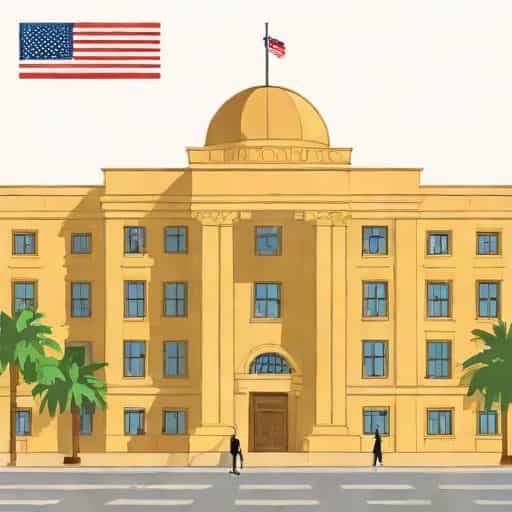
The Embassy of the United States in Khartoum, Sudan, represents one of the key diplomatic missions of the United States in Africa. This embassy serves as a hub for diplomatic, cultural, and economic relations between the two countries. Over the years, photographs of the embassy, whether from official events, public tours, or media coverage, have provided a visual representation of its architecture, security measures, and the daily life of diplomatic staff. Exploring the embassy through photos can offer insights into its design, layout, and the various activities that take place within its grounds, highlighting its role as a center for diplomacy and international cooperation.
History and Significance of the U.S. Embassy in Khartoum
The U.S. Embassy in Khartoum was established to strengthen diplomatic relations between the United States and Sudan. Its operations include political reporting, economic analysis, cultural exchange programs, and consular services for American citizens. The embassy has played a vital role in facilitating communication, promoting American values, and supporting development initiatives in Sudan. Photographs taken over the years capture these multifaceted roles, showing both official ceremonies and everyday functions of the mission.
Architectural Features
Photographs of the embassy highlight its architectural style, which combines functionality with modern security design. The embassy complex typically features a main chancery building, consular sections, staff housing, and recreational facilities. Security measures, such as perimeter fencing, controlled access points, and reinforced structures, are visible in photos, reflecting the importance of safety in diplomatic facilities. The architecture is designed to accommodate both public engagement and private diplomatic operations, providing a balance between openness and security.
Functions and Activities Depicted in Photos
Embassy photos often showcase a wide range of activities and functions. These include official events, cultural programs, educational initiatives, and community outreach efforts. By examining these images, one can gain a better understanding of the embassy’s role beyond administrative functions, highlighting its contributions to fostering bilateral relations and public diplomacy.
Official Ceremonies
Photos from official events often feature the U.S. Ambassador, visiting dignitaries, and Sudanese officials. Ceremonies might include flag-raising events, national day celebrations, or diplomatic receptions. These images convey the formal aspects of diplomacy and the importance of protocol in maintaining international relationships. They also reflect the embassy’s efforts to honor both American and Sudanese traditions during joint events.
Cultural and Educational Programs
The embassy frequently hosts cultural and educational programs aimed at promoting mutual understanding. Photographs from these events may depict art exhibitions, English language programs, or educational workshops. Such images demonstrate the embassy’s commitment to public diplomacy and its efforts to foster cultural exchange between American and Sudanese communities.
Community Engagement
Photos also capture community engagement initiatives, such as volunteer programs, humanitarian aid distribution, or public health campaigns. These images highlight the embassy’s role in supporting local communities and building goodwill, reinforcing the idea that diplomacy extends beyond political and economic interactions to encompass humanitarian and social contributions.
Security and Operational Aspects
Given the sensitive nature of diplomatic work, security is a significant feature of the U.S. Embassy in Khartoum. Photographs often reveal visible security measures such as entry checkpoints, surveillance systems, and restricted access zones. While detailed security arrangements are not typically disclosed publicly for safety reasons, images provide a general understanding of how the embassy ensures the protection of its staff and visitors. Operational photos may also include embassy personnel at work, illustrating daily administrative and consular activities.
Staff and Daily Life
Images of the embassy often depict staff members performing their routine duties, ranging from consular services for American citizens to policy analysis and reporting. Photos may show employees engaging in meetings, managing communications, or interacting with visitors. These images offer a glimpse into the inner workings of a busy diplomatic mission and the dedication of the personnel who maintain U.S. interests abroad.
Media Coverage and Public Perception
Photos of the U.S. Embassy in Khartoum are frequently used in media reports to illustrate news about diplomatic relations, security incidents, or cultural programs. Media imagery helps the public understand the embassy’s activities and importance in the region. Such photos can shape public perception by highlighting the embassy’s role in fostering stability, international cooperation, and bilateral engagement.
Use in Official Publications
The embassy itself often releases photos for public use on websites, social media, and official reports. These images showcase events, achievements, and initiatives in a controlled and informative manner. They serve to document the embassy’s work and provide transparency about its operations, giving both American and Sudanese audiences a visual narrative of its contributions.
Significance of Embassy Photos for Research and Education
Embassy photographs are valuable resources for researchers, historians, and students studying international relations, diplomacy, or architecture. They provide visual documentation of diplomatic presence, security protocols, and cultural engagement. Educational institutions may use these photos to teach about U.S. foreign policy, diplomatic missions, and cross-cultural interactions, enhancing understanding of international affairs through visual learning.
Archival and Historical Value
Historical photos of the embassy can capture changes in architecture, security measures, and staff activities over time. They offer insights into how the embassy has evolved to meet the needs of its mission, respond to political developments, and engage with the local community. Archival photographs thus serve as an important record of diplomatic history in Sudan.
Photographs of the Embassy of the United States in Khartoum provide a unique window into the operations, architecture, and diplomatic activities of one of America’s key missions in Africa. Through images of official ceremonies, cultural and educational programs, community engagement, and staff activities, one can gain a comprehensive understanding of the embassy’s multifaceted role. Security measures and operational functions depicted in photos underscore the importance of safety in diplomatic work. Moreover, these images serve educational, historical, and media purposes, highlighting the significance of visual documentation in understanding the complex world of international diplomacy. By studying these photos, observers can appreciate how the U.S. Embassy in Khartoum acts as a bridge between nations, fostering communication, cooperation, and mutual understanding in a challenging and dynamic international environment.