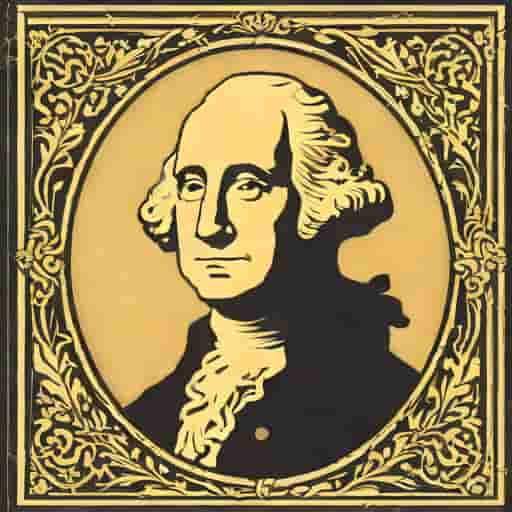
George Washington Goethals was an extraordinary engineer and administrator, widely known for his role as the chief engineer of the Panama Canal project. His career was marked by intense challenges, enormous responsibility, and public scrutiny. Despite facing immense pressure and daunting obstacles, Goethals never quit his work, showing remarkable perseverance and dedication. Understanding why George Washington Goethals couldn’t quit involves exploring his personal character, professional ethics, the historical context of his work, and the sense of mission that drove him to overcome nearly impossible odds in one of the most ambitious engineering projects of the early 20th century.
Early Life and Formation of Character
George Washington Goethals was born in 1858 in Brooklyn, New York, to a family of modest means. He attended the United States Military Academy at West Point, graduating second in his class in 1880. This rigorous education instilled in him discipline, resilience, and a strong sense of duty-qualities that would define his professional life. From an early age, Goethals demonstrated a meticulous work ethic and a commitment to excellence, traits that later influenced his inability to quit even in the face of extreme challenges.
Military Training and Professional Discipline
Goethals’ military training at West Point provided him not only with technical knowledge in engineering and leadership but also with a mindset of perseverance and responsibility. The academy emphasized rigorous planning, problem-solving, and accountability-skills that would prove crucial during the Panama Canal project. For Goethals, quitting was not a concept he entertained; it was ingrained in his character to see a task through to completion, no matter how overwhelming.
The Panama Canal Challenge
The Panama Canal project was one of the most ambitious engineering endeavors in history. When Goethals took over as chief engineer in 1907, the project was plagued by disease, engineering failures, and logistical chaos. Thousands of workers were dying from tropical diseases, equipment was failing, and morale was low. Many engineers and administrators had left the project before him. Despite these overwhelming circumstances, Goethals remained steadfast, demonstrating a determination that earned him lasting admiration and respect.
Health and Safety Crisis
One of the most pressing challenges Goethals faced was controlling diseases such as malaria and yellow fever, which were rampant among workers. He collaborated closely with medical professionals to implement sanitation measures, mosquito control, and proper housing for laborers. While these measures were difficult and slow to show results, Goethals never quit because he understood that the lives of thousands depended on the success of the project. His sense of responsibility toward his workforce reinforced his determination to persevere.
Engineering Obstacles
The engineering challenges of constructing the Panama Canal were unprecedented. Goethals had to redesign the project from its original plan to account for flooding, landslides, and the immense volume of earth that needed to be moved. Each setback could have discouraged any engineer, yet Goethals approached every problem methodically, finding solutions and motivating his team to continue. Quitting was simply not an option for someone who believed so strongly in the importance of the mission.
Leadership and Responsibility
Goethals’ leadership style was another reason he couldn’t quit. He believed in leading by example, demonstrating integrity, and maintaining high standards for himself and his team. His dedication inspired workers, engineers, and administrators to follow his lead even under the most trying conditions. He understood that quitting would not only compromise the canal project but also affect the confidence and morale of thousands of people relying on his guidance.
Commitment to Duty
As a military officer and engineer, Goethals had a deep sense of duty to his country and to the people who depended on the Panama Canal for trade and transportation. He believed that the completion of the canal was not just an engineering achievement but a service to humanity. This commitment to duty made the idea of quitting incompatible with his values, as failure would have consequences far beyond his personal career.
Problem-Solving Mindset
Goethals’ inability to quit was also fueled by his analytical and problem-solving mindset. He approached every challenge systematically, breaking down complex issues into manageable tasks. By focusing on solutions rather than the obstacles, he maintained momentum and progress even when situations seemed dire. His mindset allowed him to transform seemingly insurmountable problems into achievable objectives, reinforcing his determination to persevere.
Historical and Political Context
The Panama Canal was a project of national importance for the United States. Goethals was acutely aware of the political and economic implications of the canal’s success or failure. The project was closely watched by government officials, the press, and international observers. Quitting would not only have been a personal failure but a setback for the nation’s strategic interests. This historical context placed enormous pressure on Goethals to continue, strengthening his resolve to see the project through to completion.
National Expectations
The United States had invested significant resources in the Panama Canal, and public and governmental expectations were high. Goethals understood that his work was under scrutiny and that quitting could jeopardize national pride, economic interests, and international credibility. The weight of these expectations reinforced his determination to persevere, as he viewed the canal not merely as a project but as a symbol of American ingenuity and commitment.
Legacy and Personal Motivation
Goethals was also motivated by the legacy he would leave behind. He knew that completing the Panama Canal would be a historic achievement that generations would remember. This personal drive, combined with his professional ethics and sense of responsibility, made it impossible for him to consider quitting. Every decision, every long day of work, and every challenge he faced was seen through the lens of creating a lasting positive impact.
Lessons from Goethals’ Perseverance
George Washington Goethals’ inability to quit offers valuable lessons for leaders, engineers, and anyone facing significant challenges. His life demonstrates the importance of resilience, dedication, and ethical responsibility. By understanding the factors that kept him committed, we gain insight into how vision, personal character, and a sense of duty can drive extraordinary achievements.
Key Takeaways
- Strong personal ethics and sense of duty can motivate perseverance even under extreme challenges.
- Leadership involves responsibility not only to oneself but to teams, communities, and nations.
- Complex problems are best approached methodically, with focus on solutions rather than obstacles.
- Historical and social context can amplify the importance of one’s work and reinforce commitment.
- Legacy and long-term impact provide additional motivation to persist in the face of adversity.
George Washington Goethals couldn’t quit because of a combination of personal character, professional ethics, sense of duty, and historical responsibility. His training, leadership, problem-solving skills, and commitment to the welfare of his team and the nation made quitting an unthinkable option. The Panama Canal project was fraught with difficulties, yet Goethals’ perseverance led to its successful completion, leaving a legacy of engineering excellence and public service. His life serves as an inspiring example of how determination, responsibility, and ethical leadership can overcome immense challenges and create a lasting impact on society.