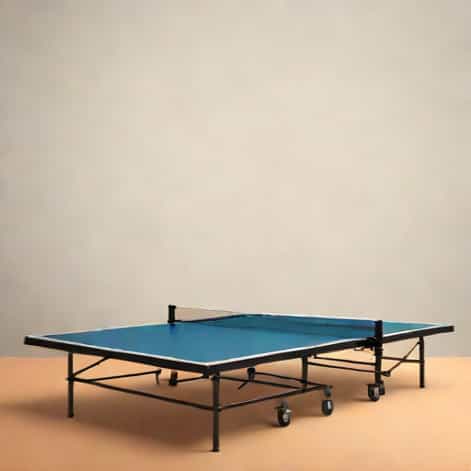
Youth contender table tennis is gaining increasing attention as more young players showcase their skills and potential in both local and international competitions. Table tennis, often known as ping pong, is a fast-paced sport that requires agility, precision, and strategic thinking. Young athletes who emerge as contenders in this sport demonstrate not only physical talent but also mental sharpness and dedication to rigorous training routines. From school tournaments to national championships, youth contenders are shaping the future of table tennis and inspiring a new generation of players worldwide.
The Rise of Youth Table Tennis
In recent years, youth participation in table tennis has surged due to increased accessibility, better coaching programs, and international exposure through events like the Youth Olympic Games and ITTF World Youth Championships. Many national associations have developed structured training programs to identify and nurture young talent. These programs focus on skill development, physical conditioning, and mental preparation, ensuring that young athletes can compete at the highest levels. Youth contender table tennis players often start training at an early age, and their progress is closely monitored to help them transition smoothly into adult competitions.
Characteristics of Youth Contenders
- Exceptional hand-eye coordination and reflexes.
- Strong strategic and tactical understanding of the game.
- High levels of physical fitness, including agility and endurance.
- Resilience and the ability to handle competitive pressure.
- Commitment to consistent practice and skill refinement.
Training and Development
Becoming a youth contender in table tennis requires a combination of structured training, competition experience, and mental conditioning. Coaches emphasize techniques such as topspin, backspin, and precise ball placement, along with footwork drills and stamina exercises. Video analysis of matches is increasingly used to help young players understand their strengths and areas for improvement. Moreover, mental training, including visualization, focus exercises, and stress management, is essential for handling the pressures of competitive play. Young athletes often balance rigorous practice schedules with school commitments, requiring discipline and time management skills.
Key Training Techniques
- Forehand and backhand stroke refinement for accuracy and power.
- Serve practice to develop variety and unpredictability.
- Footwork drills to maintain speed and positioning during rallies.
- Endurance training to sustain performance throughout tournaments.
- Video review sessions to identify tactical improvements.
Competitive Pathways
Youth contender table tennis players participate in a variety of competitions, ranging from school and regional tournaments to national and international championships. These events serve as platforms for young athletes to showcase their skills, gain experience, and earn rankings. Success at the youth level often opens doors to sponsorships, professional coaching, and entry into elite training centers. Many national associations maintain talent identification programs that track performance in youth competitions and provide specialized support for top contenders.
Major Competitions for Youth Players
- National Youth Championships in individual countries.
- International Table Tennis Federation (ITTF) World Youth Circuit.
- Youth Olympic Games and continental youth events.
- Regional leagues and club tournaments for skill development.
- Friendly matches and invitational competitions for exposure.
Equipment and Technology
Modern table tennis equipment plays a crucial role in the development of youth contenders. High-quality blades, rubbers, and balls are essential for optimal performance. Young athletes are taught how to select equipment that suits their playing style, whether it emphasizes spin, speed, or control. Additionally, technological tools like ball-tracking systems, slow-motion cameras, and performance analytics software help coaches and players fine-tune techniques and develop game strategies. Understanding equipment nuances allows youth players to gain a competitive edge and refine their style effectively.
Equipment Essentials
- Customized paddles for specific playing techniques.
- High-quality balls that maintain consistent bounce.
- Training tables with smooth, uniform surfaces.
- Protective gear for safe practice sessions.
- Analytics tools to monitor performance trends.
Mental and Psychological Aspects
The mental game is as important as physical skill in youth contender table tennis. Young athletes must learn to handle the pressure of competitive matches, maintain focus, and manage stress. Coaches incorporate mental exercises to enhance concentration, confidence, and decision-making under pressure. Resilience is particularly important, as youth players face both wins and losses that shape their growth. Encouraging a positive mindset and self-belief is essential for sustaining long-term development and motivation in the sport.
Mental Training Techniques
- Visualization exercises to prepare for match scenarios.
- Breathing techniques to reduce anxiety and maintain focus.
- Goal-setting strategies to track progress and motivation.
- Stress management practices to handle competitive pressure.
- Regular feedback sessions to build confidence and learning.
The Role of Coaches and Mentors
Coaches and mentors play a vital role in guiding youth contender table tennis players. They provide technical instruction, tactical advice, and emotional support. A strong coach-player relationship helps young athletes navigate challenges, overcome setbacks, and achieve their full potential. Mentorship often extends beyond the table, teaching life skills such as discipline, teamwork, and sportsmanship. Successful youth programs combine professional coaching, mentorship, and access to high-quality facilities to produce well-rounded and competitive athletes.
Impact of Quality Coaching
- Accelerates skill development through personalized guidance.
- Enhances strategic understanding of the game.
- Fosters mental resilience and competitive mindset.
- Builds sportsmanship and teamwork skills.
- Provides exposure to higher-level competitions and networks.
Future of Youth Table Tennis
The future of youth contender table tennis looks promising as more programs, scholarships, and international tournaments emerge. Young athletes are increasingly motivated by the opportunity to represent their countries, gain global recognition, and pursue professional careers in the sport. Continued investment in coaching, facilities, and competitive platforms will further strengthen the talent pipeline, ensuring that youth contenders evolve into world-class athletes. As the sport grows in popularity, youth table tennis will continue to produce players who embody skill, dedication, and sportsmanship, inspiring fans worldwide.
Opportunities Ahead
- Scholarships and sponsorships for talented youth players.
- International competition experience to gain exposure.
- Advanced training programs for elite skill development.
- Integration of technology and analytics for performance improvement.
- Promotion of table tennis in schools and community programs.
Youth contender table tennis is a dynamic and exciting arena where young athletes demonstrate remarkable talent, discipline, and competitive spirit. Through structured training, strategic coaching, mental preparation, and participation in competitions, these young players are laying the foundation for the future of the sport. Their dedication, combined with modern equipment and technological support, ensures they are well-prepared for higher levels of competition. Supporting youth contender table tennis not only helps develop elite athletes but also promotes healthy lifestyles, teamwork, and lifelong skills. As more young players rise to prominence, the world of table tennis continues to evolve, fueled by their energy, passion, and potential.
This topic uses `
`, `
`, `
`, and `
- ` tags, flows naturally in easy-to-understand English, and incorporates SEO-relevant keywords like **“youth contender table tennis”**, **“training and development”**, **“table tennis competitions”**, **“coaching and mentorship”**, and **“future of youth table tennis”**, making it suitable for general readers and search optimization.