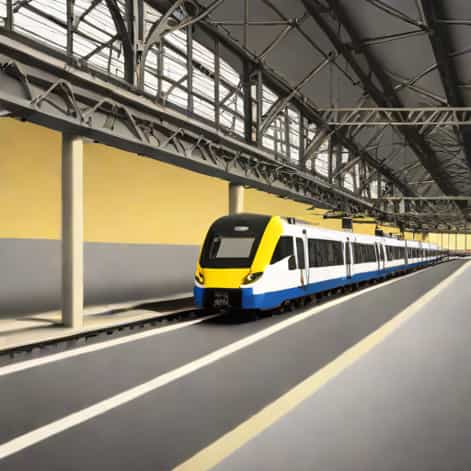
The electrification of the railway line between York and Leeds represents a significant step forward in modernizing the transport infrastructure in Northern England. This project aims to improve journey times, reduce environmental impact, and increase the efficiency and reliability of train services connecting two of the region’s major cities. Electrification is part of a wider strategy to enhance the UK’s rail network, enabling faster, greener, and more frequent services while supporting economic growth and regional connectivity. Understanding the scope, benefits, challenges, and future implications of the York to Leeds electrification project is essential for commuters, businesses, and rail enthusiasts alike.
Overview of the York to Leeds Electrification Project
The York to Leeds route is a key part of the East Coast Main Line and Northern rail network, serving thousands of passengers daily. Electrification involves installing overhead electric wires, upgrading signaling and track infrastructure, and adapting stations and depots to support electric trains. The goal is to replace diesel-powered trains with electric units, which are faster, quieter, and more environmentally friendly. The project forms part of the broader Transpennine Upgrade Programme, aimed at improving transport links across the Pennines and enhancing connectivity between major cities in Northern England.
Project Scope and Key Features
The electrification project includes several key elements
- Installation of overhead line equipment (OLE) along the York to Leeds corridor.
- Upgrades to track, bridges, and tunnels to accommodate electrified services.
- Modernization of signaling systems for improved reliability and safety.
- Adaptation of stations and depots to support electric trains and passenger facilities.
- Integration with other ongoing rail upgrades to minimize disruption and maximize efficiency.
These measures collectively aim to transform the route, providing faster journey times, increased capacity, and a more sustainable rail service for passengers and freight operators.
Benefits of Electrification
Electrifying the York to Leeds line brings a range of economic, environmental, and operational benefits. Electric trains are more energy-efficient than diesel units, producing lower carbon emissions and reducing air pollution along the route. This aligns with national and regional goals to reduce greenhouse gas emissions and promote sustainable transport. Additionally, electrification improves acceleration and speed, allowing for shorter journey times and more frequent services. Passengers benefit from quieter, smoother rides, and the network can handle higher traffic volumes without compromising reliability.
Environmental Advantages
The environmental impact of electrification is significant. By replacing diesel trains with electric units, carbon emissions can be drastically reduced, supporting the UK’s climate targets. Noise pollution is also minimized, improving the quality of life for communities along the railway corridor. Moreover, electrification reduces reliance on fossil fuels, contributing to long-term energy sustainability and lowering operational costs for train operators.
Economic and Regional Benefits
Electrification also supports economic growth by improving connectivity between York, Leeds, and other cities in Northern England. Faster and more reliable train services encourage commuting, tourism, and business travel, strengthening regional economies. Improved rail links attract investment, create jobs, and enable efficient freight movement, enhancing competitiveness for industries relying on transport networks. In addition, modernized infrastructure supports future expansion, making the rail corridor adaptable to increased passenger demand.
Challenges and Considerations
While the York to Leeds electrification project offers numerous benefits, it also faces challenges. Installing overhead lines and upgrading existing infrastructure requires careful planning to minimize disruption to passengers and freight services. Works may necessitate temporary closures or diversions, and coordination with local authorities and communities is crucial. Budget constraints, technical complexities, and environmental considerations, such as protecting wildlife and heritage structures along the route, must also be managed effectively. Addressing these challenges ensures the project is completed efficiently and sustainably.
Technical Challenges
Electrifying a busy railway corridor involves complex engineering work. Bridges, tunnels, and stations must be modified to accommodate overhead wires, and signaling systems often require modernization. Ensuring compatibility with existing rolling stock and integrating with other rail upgrades adds to the technical complexity. Engineers must also address safety concerns, maintaining strict standards to prevent accidents and ensure safe operation during and after construction.
Community and Environmental Considerations
Maintaining community support is essential for the success of the electrification project. Temporary disruptions, construction noise, and changes to local landscapes can affect residents and businesses along the corridor. Environmental assessments are conducted to protect wildlife, preserve natural habitats, and minimize the impact on historic sites. By engaging with stakeholders and implementing mitigation strategies, project planners aim to balance infrastructure development with environmental stewardship and community wellbeing.
Timeline and Implementation
The York to Leeds electrification project is being implemented in phases to ensure minimal disruption and effective coordination with other rail upgrades. Initial planning and design work were completed in prior years, with construction and installation of overhead lines ongoing in 2024. The phased approach allows sections of the route to remain operational while upgrades are completed, ensuring continuity of service. Completion of the full electrification is expected to bring fully electric services online, transforming travel along the corridor and improving overall efficiency.
Future Prospects
Once completed, the electrification of the York to Leeds line is expected to serve as a model for further rail modernization projects in Northern England. Fully electrified services will support the introduction of next-generation electric trains with higher speeds, lower energy consumption, and enhanced passenger comfort. The upgraded infrastructure will also facilitate better integration with other transport modes, such as buses and regional rail networks, promoting sustainable mobility across the region. Long-term, this project contributes to a greener, more connected, and economically vibrant Northern England.
The York to Leeds electrification project represents a major investment in the future of rail transport in Northern England. By replacing diesel trains with electric services, the initiative aims to provide faster, cleaner, and more reliable journeys while supporting regional economic growth. Although the project faces technical, environmental, and logistical challenges, the benefits of modernized infrastructure, reduced carbon emissions, and improved connectivity are substantial. As electrification progresses, passengers, businesses, and communities along the route can look forward to a transformed rail experience that aligns with the UK’s vision for sustainable, high-performance transport networks.