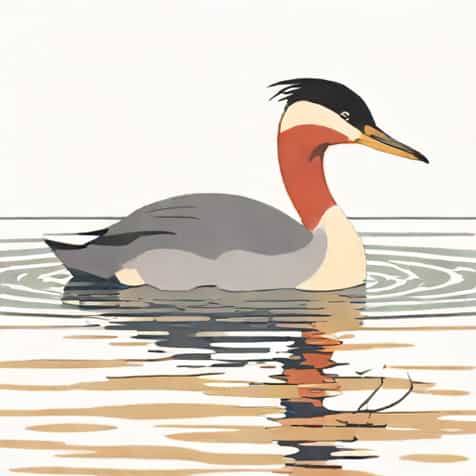
Grebes are fascinating water birds known for their unique appearance and excellent diving abilities. When you ask, What does a grebe look like? it is important to consider both their general body features and distinctive characteristics that set them apart from other aquatic birds. Grebes have a streamlined body adapted for swimming and diving, with legs positioned toward the rear, making them powerful underwater swimmers but somewhat awkward on land. Their plumage is often dense and waterproof, allowing them to stay buoyant while diving for fish and aquatic invertebrates. Observing a grebe provides insight into evolutionary adaptations that have enabled these birds to thrive in freshwater habitats across the world.
General Physical Characteristics of Grebes
Grebes are medium-sized to small water birds with several defining physical traits. They typically have elongated bodies with slender necks and pointed bills. Their legs are set far back on the body, which helps with propulsion underwater but makes walking on land challenging. This anatomical feature is a hallmark of the species and allows them to dive and swim efficiently.
Plumage and Coloring
Grebes often display a variety of colors depending on the species and season. Many have a combination of brown, gray, and white plumage, providing camouflage in their aquatic environments. During breeding season, some species develop striking colors or ornamental feathers on their head, neck, or chest. This distinctive plumage is used for courtship displays and signaling to potential mates.
- Back and wings usually darker, aiding in camouflage from predators above the water.
- Belly and chest lighter shades, often white or pale, helping with counter-shading in water.
- Head and neck some species have elaborate crests or patches of bright color during mating season.
Head and Facial Features
The head of a grebe is relatively small compared to its body, with a sharp, pointed bill adapted for catching fish. Their eyes are positioned to give excellent vision both above and below the water, crucial for hunting prey. The bill can vary in color among species, ranging from yellowish to dark gray, often complementing the bird’s overall coloring.
Eyes and Bill
- Eyes typically round and alert, sometimes red or orange in color, depending on the species.
- Bill slender, pointed, and designed to catch fish, insects, and small crustaceans.
These features make grebes effective hunters in their aquatic habitats, allowing them to detect and capture prey with precision.
Body Structure and Adaptations
Grebes’ bodies are highly adapted for life in the water. Their long necks enable them to reach down into the water to catch fish, while their streamlined shape minimizes resistance during swimming. Their rear-placed legs, although limiting mobility on land, are powerful tools for diving and propelling through water. The feet are lobed rather than webbed, providing stability and speed underwater.
Legs and Feet
- Leg placement far back on the body, ideal for swimming but awkward for walking.
- Feet lobed toes that act like paddles, enhancing swimming efficiency.
- Leg strength allows rapid diving and agile movement underwater.
These physical adaptations highlight the grebe’s specialization as a diving bird, prioritizing aquatic mobility over terrestrial movement.
Behavioral Appearance in Water
When seen in their natural environment, grebes present a distinctive profile on the water. They often sit low, with only the upper part of their body visible above the surface. Their sleek, buoyant bodies make them appear as if gliding effortlessly across the water. During swimming, they may flick their heads and dive suddenly, making them agile and efficient predators.
Breeding and Display Features
During the breeding season, grebes can appear more elaborate and colorful. They may grow ornate crests or display unique feather patterns on their head and chest, used in courtship dances. These displays can include head-shaking, bowing, and synchronized movements with a partner. This makes the grebe not only visually striking but also interesting in terms of social behavior.
- Crested head feathers present in many species for attracting mates.
- Bright eye coloration enhances visual signaling during courtship.
- Color contrast on neck or chest emphasizes movement and posture during mating rituals.
Common Grebe Species and Their Appearance
Different species of grebes exhibit variations in appearance, though they share the general body shape and aquatic adaptations. Some well-known species include
Great Crested Grebe
- Size medium, around 46-51 cm long.
- Plumage brown and white body, with elaborate black-and-orange head crest during breeding.
- Bill long and sharp, pale in color.
Horned Grebe
- Size smaller than the Great Crested, about 31-38 cm long.
- Plumage golden tufts on head with black and chestnut body during breeding; duller in winter.
- Behavior floats low in water and dives frequently for small fish and insects.
Red-necked Grebe
- Size large, around 50-65 cm long.
- Plumage striking reddish-brown neck, gray back, and white underparts.
- Bill long, pointed, and slightly upturned.
Each species has unique coloring and features that can help birdwatchers and enthusiasts identify them in the wild, yet all share the common grebe adaptations for aquatic life.
When asked, What does a grebe look like? it is clear that these birds have distinctive features adapted for life in water. They have elongated, streamlined bodies, rear-placed legs, lobed feet, and sharp, pointed bills designed for diving and catching prey. Their plumage varies among species, often showing intricate patterns and colors, particularly during breeding season. The head, neck, and eyes are adapted for keen vision and hunting efficiency, while their behavior on water reflects their aquatic specialization. Observing grebes in their natural habitats allows one to appreciate not only their physical characteristics but also their elegant movements, social displays, and adaptations that make them remarkable water birds across lakes, rivers, and wetlands around the world.