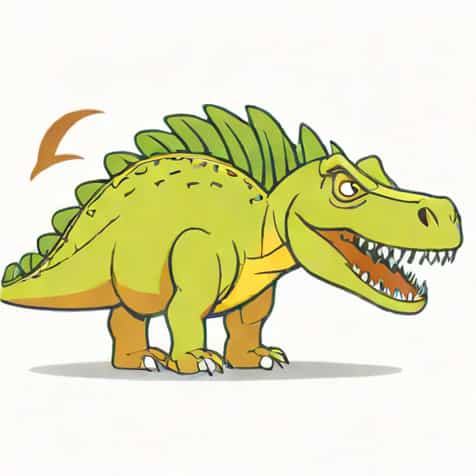
When people think about dinosaurs, they often imagine fierce predators like the Tyrannosaurus rex, but in reality, many dinosaurs were herbivores. These plant-eating creatures shaped prehistoric ecosystems and were essential to the balance of life during the Mesozoic Era. Asking what dinosaur is a herbivore opens the door to a fascinating world of long-necked giants, armored grazers, and bird-like species that survived on vegetation. Understanding these dinosaurs not only reveals details about their diet but also helps us see how life on Earth evolved millions of years ago.
Defining Herbivorous Dinosaurs
Herbivorous dinosaurs were species that ate plants instead of meat. Their anatomy reflects this diet, with flat teeth for grinding leaves, beaks for clipping vegetation, and long necks for reaching high branches. Many herbivores also developed large digestive systems to break down tough plant matter. These adaptations allowed them to thrive in diverse environments, from forests to open plains. Unlike carnivores, which were often solitary hunters, herbivores sometimes lived in herds for protection, making them a crucial part of the prehistoric food chain.
Main Groups of Herbivorous Dinosaurs
To answer the question of what dinosaur is a herbivore, it helps to look at the main groups that developed plant-eating characteristics. Each group had unique body shapes, behaviors, and survival strategies, but all shared the common feature of feeding on vegetation.
Sauropods
Sauropods were some of the largest animals to ever walk the Earth. Recognized by their massive bodies, long necks, and whip-like tails, these dinosaurs were primarily herbivores. Their long necks allowed them to feed on treetops, giving them access to food sources other dinosaurs could not reach. Some famous sauropod herbivores include
- Brachiosaurus– Known for its giraffe-like stance with longer front legs, enabling it to browse at high levels.
- Diplodocus– A long, slender sauropod that likely fed on low-lying vegetation and used its whip tail for defense.
- Apatosaurus– A robust dinosaur with a heavy body, grazing mainly on plants closer to the ground.
Ceratopsians
Ceratopsians were herbivores recognizable by their beaks, frills, and facial horns. These dinosaurs primarily ate tough vegetation, using their beak-like mouths to slice through plants. Living in herds, they relied on numbers and physical defense to survive. Examples include
- Triceratops– With three horns and a large frill, this dinosaur was both a grazer and a formidable opponent against predators.
- Protoceratops– A smaller ceratopsian that lived in desert-like regions, feeding on hardy plants.
Hadrosaurs
Often called duck-billed dinosaurs, hadrosaurs were highly successful herbivores. They possessed specialized teeth arranged in dental batteries, allowing them to grind plants efficiently. They lived in large herds and were widespread across different regions. Notable members include
- Edmontosaurus– A common hadrosaur found in North America, adapted for grazing and browsing.
- Parasaurolophus– Famous for its long, curved crest, which may have been used for communication while feeding on vegetation.
Ankylosaurs
Ankylosaurs were heavily armored herbivores that relied on their tough bodies and club-like tails for defense. They were low browsers, feeding mainly on ferns, cycads, and other low-growing plants. Examples include
- Ankylosaurus– Known for its thick armor and tail club, grazing on ground-level plants.
- Euoplocephalus– A smaller relative with similar defensive traits and a plant-based diet.
Stegosaurs
Stegosaurs were herbivores characterized by their rows of large, upright plates and spiked tails. They were relatively slow-moving and fed on low-lying plants. Some well-known stegosaurs include
- Stegosaurus– The most iconic member, feeding on ferns, cycads, and shrubs with its small, peg-like teeth.
- Kentrosaurus– A smaller stegosaur with long tail spikes, relying on plants close to the ground.
Adaptations for Herbivory
Herbivorous dinosaurs developed remarkable adaptations to survive on plant-based diets. These adaptations varied depending on their size, environment, and available vegetation
- Specialized teeth– Flat or ridged teeth for grinding leaves, unlike the sharp teeth of carnivores.
- Beaks– Many herbivores, like ceratopsians, had beak-like mouths for cutting tough vegetation.
- Large guts– Digestive systems capable of fermenting plant matter to extract nutrients.
- Neck length– Sauropods developed extremely long necks to reach treetops, while stegosaurs remained ground feeders.
Ecological Role of Herbivores
Herbivorous dinosaurs were essential to prehistoric ecosystems. They served as primary consumers, transferring energy from plants to carnivores higher up the food chain. Their feeding habits also shaped vegetation patterns, similar to how elephants and giraffes influence modern ecosystems. By living in herds, they also influenced predator behavior, as carnivores needed to adapt strategies to hunt such large groups.
Examples of Famous Herbivorous Dinosaurs
To illustrate the diversity of herbivorous dinosaurs, here are some notable examples
- Brachiosaurus– Tall sauropod reaching treetops.
- Triceratops– Horned ceratopsian defending its herd.
- Stegosaurus– Plated dinosaur feeding on shrubs.
- Parasaurolophus– Crest-bearing hadrosaur grazing in herds.
- Ankylosaurus– Armored tank of the Mesozoic era.
Why Herbivores Dominated in Numbers
Herbivorous dinosaurs outnumbered carnivores for a simple ecological reason plant-eaters formed the foundation of the food chain. Without them, carnivorous dinosaurs would not have survived. The vast numbers of herbivores, from tiny bird-like species to enormous sauropods, ensured that ecosystems remained balanced and diverse throughout the Mesozoic Era.
When we ask what dinosaur is a herbivore, the answer includes an incredible variety of species across different groups, from towering sauropods to heavily armored ankylosaurs. These dinosaurs developed unique adaptations for eating plants, shaped ecosystems, and provided the foundation for life in their time. Herbivorous dinosaurs were not just passive grazers; they were innovators in survival, influencing the course of evolution for millions of years. Their legacy reminds us that the story of dinosaurs is not only about predators but also about the giants and grazers that sustained prehistoric worlds.