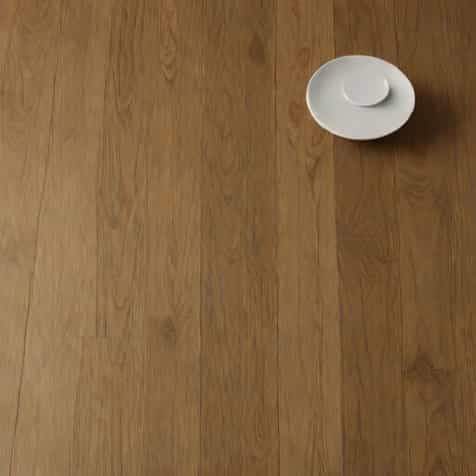
Choosing the right flooring for a home or commercial space is a critical decision that affects both aesthetics and functionality. Two popular options that often come up in comparison are vinyl flooring and engineered hardwood. Each type has its unique advantages, disadvantages, and applications, and understanding the differences can help homeowners make an informed choice. Vinyl flooring is known for its affordability, durability, and water resistance, making it a practical option for high-traffic areas. Engineered hardwood, on the other hand, offers the natural beauty of solid wood with improved stability and flexibility in installation. This topic explores vinyl vs engineered hardwood in depth, covering materials, durability, installation, maintenance, cost, and overall suitability to help readers determine which flooring option best fits their needs.
Overview of Vinyl Flooring
Vinyl flooring is a synthetic flooring material made primarily from polyvinyl chloride (PVC). It is manufactured in several forms, including sheets, tiles, and luxury vinyl planks (LVP). Vinyl flooring has grown in popularity due to its versatility, affordability, and ease of maintenance. Modern vinyl options can replicate the look of natural materials such as wood, stone, and ceramic, offering a wide range of aesthetic choices. Its water resistance makes it ideal for kitchens, bathrooms, and basements, areas where moisture could damage traditional wood flooring.
Vinyl flooring is also known for its durability and resilience. It can withstand heavy foot traffic, scratches, and minor impacts, making it suitable for both residential and commercial spaces. With various thickness options and top-layer coatings, vinyl can offer long-lasting performance while remaining relatively inexpensive compared to natural wood.
Key Features of Vinyl Flooring
- Water-resistant and suitable for moisture-prone areas.
- Available in sheets, tiles, and luxury vinyl planks.
- Durable and resistant to scratches and impacts.
- Low maintenance and easy to clean with regular sweeping and mopping.
- Affordable compared to solid and engineered hardwood.
- Can mimic the appearance of wood, stone, or tile.
Overview of Engineered Hardwood
Engineered hardwood is a flooring product composed of a top layer of real hardwood bonded to multiple layers of plywood or high-density fiberboard (HDF). This construction provides the appearance of solid wood while offering greater stability against temperature and humidity changes. Unlike solid hardwood, engineered hardwood is less prone to warping or expanding, making it suitable for installation in basements, kitchens, and areas where moisture levels fluctuate.
Engineered hardwood is available in various wood species, finishes, and plank sizes, allowing homeowners to achieve a high-end, natural look in their spaces. It can be installed using several methods, including floating, glue-down, or nail-down, depending on the subfloor and room requirements. While it generally costs more than vinyl, engineered hardwood can add long-term value to a home due to its natural appeal and durability.
Key Features of Engineered Hardwood
- Top layer of real wood for authentic appearance.
- Multiple core layers for enhanced stability and resistance to moisture.
- Available in various wood species, finishes, and plank sizes.
- Can be refinished depending on the thickness of the top layer.
- Suitable for installation over concrete, plywood, or radiant heating systems.
- Offers long-term aesthetic appeal and potential property value increase.
Durability Comparison
Durability is a major factor in choosing between vinyl and engineered hardwood. Vinyl flooring is highly resistant to scratches, dents, and water damage, making it ideal for households with pets, children, or heavy foot traffic. It does not warp or expand significantly with changes in temperature or humidity, giving it a long lifespan when properly maintained. However, vinyl may be prone to fading over time, especially when exposed to direct sunlight, and lower-quality vinyl may tear or dent under heavy objects.
Engineered hardwood offers durability with the benefit of real wood on the surface. It is more resistant to moisture-related warping than solid hardwood, but it can still be scratched or dented by heavy furniture or sharp objects. The ability to refinish engineered hardwood a limited number of times can extend its lifespan, though this is dependent on the thickness of the top veneer. Overall, vinyl may outperform engineered hardwood in high-moisture environments, while engineered hardwood provides a timeless natural look with moderate durability.
Installation and Maintenance
Vinyl flooring is generally easier to install than engineered hardwood. Many vinyl planks and tiles come with click-lock systems or peel-and-stick adhesives, allowing for DIY installation with minimal tools. It can be installed over existing floors in some cases, further reducing labor costs. Maintenance is simple, typically involving regular sweeping and occasional damp mopping. There is no need for refinishing or sanding, making it a low-maintenance option.
Engineered hardwood installation can be more complex. It may require professional installation, especially if using nail-down or glue-down methods. Floating installation is possible and allows for easier DIY projects. Maintenance involves regular cleaning and protection from moisture and heavy impacts. Engineered hardwood may require refinishing over time, depending on wear and tear, but proper care can preserve its beauty for decades.
Cost Considerations
Cost is another important factor when comparing vinyl and engineered hardwood. Vinyl flooring is generally more affordable, with prices ranging from budget-friendly to mid-range depending on quality, brand, and design. Installation costs are also lower due to easier installation and minimal subfloor preparation. This makes vinyl a practical choice for large areas, rentals, or homeowners on a tight budget.
Engineered hardwood typically carries a higher upfront cost, reflecting the use of real wood and more complex manufacturing processes. Installation costs are higher, especially if professional services are used. However, engineered hardwood can increase property value and offer a more premium look, which may justify the expense for long-term homeowners or those seeking a high-end aesthetic.
Aesthetic and Design Options
When it comes to aesthetics, engineered hardwood has a natural advantage due to its authentic wood surface. It provides warmth, texture, and a luxurious look that is difficult to replicate perfectly with synthetic materials. Different wood species, finishes, and plank sizes allow for customization to match any interior style.
Vinyl flooring has made significant advances in visual appeal, with luxury vinyl planks capable of closely mimicking wood grains, stone textures, and tile patterns. While it may not fully replicate the feel and prestige of real wood, vinyl offers versatility and a wide range of colors and patterns at a lower cost. For modern or high-traffic areas where practicality is important, vinyl provides a stylish and functional solution.
Pros and Cons Summary
Vinyl Flooring Pros
- Water-resistant and durable.
- Affordable and cost-effective installation.
- Low maintenance and easy cleaning.
- Variety of styles and patterns available.
- Suitable for moisture-prone areas like kitchens and bathrooms.
Vinyl Flooring Cons
- Less authentic appearance compared to real wood.
- Can fade or tear over time.
- Limited ability to refinish or repair.
Engineered Hardwood Pros
- Real wood surface for authentic, high-end look.
- Stable construction resists warping.
- Can be refinished depending on top layer thickness.
- Increases home value and aesthetic appeal.
- Available in a wide range of wood species and finishes.
Engineered Hardwood Cons
- Higher cost compared to vinyl.
- Installation can be more complex and expensive.
- Moderate maintenance required to prevent scratches and water damage.
Choosing between vinyl and engineered hardwood depends on your priorities, budget, and the space in which the flooring will be installed. Vinyl flooring offers affordability, water resistance, and easy maintenance, making it ideal for high-traffic areas, kitchens, and bathrooms. Engineered hardwood provides the authentic look and feel of real wood, with enhanced stability and long-term value, making it suitable for living rooms, bedrooms, and spaces where aesthetics are a priority. By considering factors such as durability, installation, cost, and design, homeowners can select the flooring that best meets their needs, balancing practicality and style to create a functional and visually appealing environment.