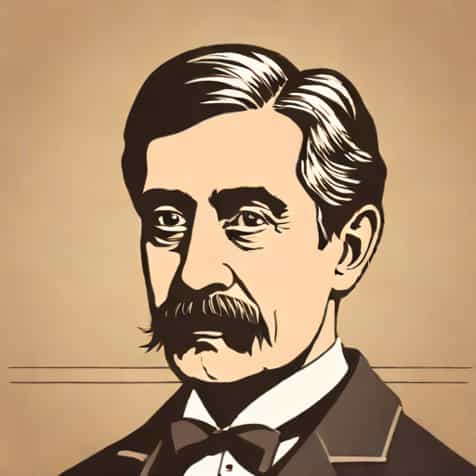
Victor Hugo and Marcel Proust are two towering figures in French literature, each representing distinct literary eras, styles, and approaches to storytelling. Victor Hugo, a prominent figure of the Romantic movement in the 19th century, is celebrated for his grand narratives, poetic imagery, and social advocacy. Marcel Proust, on the other hand, emerged in the early 20th century as a pioneer of modernist literature, renowned for his introspective style, intricate character studies, and the monumental work In Search of Lost Time. Comparing these two literary giants offers insight into the evolution of French literature, the contrasting ways authors capture human experience, and the enduring impact of their works on readers and writers worldwide.
Victor Hugo Romanticism and Social Conscience
Victor Hugo was born in 1802 and quickly became a leading voice of the Romantic movement, a literary trend that emphasized emotion, individualism, and the sublime aspects of nature. Hugo’s works often combined rich, dramatic storytelling with profound reflections on social justice, morality, and the human condition. He used literature as a platform to address political and social issues, from poverty and injustice to the struggle for human rights.
Major Works
- Les Misérables(1862) Hugo’s masterpiece that explores themes of redemption, social inequality, and love, following the life of Jean Valjean and his struggle against societal oppression.
- The Hunchback of Notre-Dame(1831) A novel that blends Gothic architecture, romance, and social critique, focusing on Quasimodo and the complex human emotions surrounding love and rejection.
- Poetry Collections Hugo’s poetry, includingLes ContemplationsandLa Légende des siècles, captures the Romantic fascination with nature, history, and human emotion.
Writing Style
Hugo’s writing is characterized by its grandeur, elaborate descriptions, and deep empathy for his characters. His prose often features long, flowing sentences and vivid imagery that create a sense of epic scope. Romantic idealism permeates his works, celebrating beauty, heroism, and the emotional depth of human experience. Importantly, Hugo integrates social critique into his narratives, making his literature both artistically compelling and politically significant.
Marcel Proust Modernism and Psychological Depth
Marcel Proust, born in 1871, represents a different literary sensibility, emerging in the context of early 20th-century modernism. Proust’s writing is introspective and analytical, often delving into memory, perception, and the subtle nuances of human behavior. His most famous work,In Search of Lost Time, is a monumental exploration of consciousness, exploring how memory and subjective experience shape identity and understanding of the world.
Major Works
- In Search of Lost Time(Ã la recherche du temps perdu) Proust’s seven-volume epic that examines time, memory, and society through the lens of a narrator reflecting on personal experiences and social interactions.
- Essays and Shorter Writings Proust also wrote literary criticism and essays that explore art, society, and human psychology, reflecting his keen observational skills and analytical mind.
Writing Style
Proust’s prose is known for its intricate, flowing sentences and deep psychological insight. Unlike Hugo’s external dramatization of societal issues, Proust turns inward, examining the subtleties of thought, emotion, and social perception. His focus on memory and time creates a reflective narrative rhythm, where seemingly minor details become deeply significant. The meticulous attention to inner life allows readers to immerse themselves in the narrator’s consciousness, revealing the complexity and impermanence of human experience.
Comparing Literary Themes
While both authors explore human emotion and morality, their thematic concerns and narrative approaches differ. Hugo often addresses broad societal issues and universal struggles, using large casts and epic plots to illustrate social injustice and moral dilemmas. Proust, conversely, focuses on individual perception, social relationships, and the intricate workings of memory, employing introspective, detail-oriented narratives.
Society vs. Individual
- Victor Hugo emphasizes society and collective responsibility, portraying the plight of the oppressed and the potential for human redemption on a large scale.
- Marcel Proust emphasizes the individual, exploring how personal experiences, memory, and social observation shape one’s understanding of the world.
Emotion and Philosophy
- Hugo channels emotion through dramatic events and heroic narratives, often accompanied by moral or philosophical reflections that aim to inspire societal change.
- Proust channels emotion through introspection, exploring the subtleties of love, jealousy, nostalgia, and social perception with philosophical depth.
Legacy and Influence
Both Victor Hugo and Marcel Proust left indelible marks on literature, influencing generations of writers and thinkers. Hugo’s works inspired social consciousness and heroic storytelling in both literature and theater, while Proust’s innovations in narrative structure and psychological realism shaped modernist and contemporary fiction.
Impact on Literature
- Victor Hugo’s novels and poetry remain essential reading for their depiction of social struggle, Romantic ideals, and moral philosophy.
- Marcel Proust’s exploration of memory and consciousness pioneered modernist techniques, influencing narrative experimentation and literary introspection.
Adaptations and Cultural Presence
Hugo’s works have been widely adapted into films, musicals, and theater productions, with Les Misérables achieving global recognition. Proust’s work, while more challenging to adapt due to its introspective style, continues to inspire literary scholarship, experimental films, and studies in psychology and philosophy.
Victor Hugo and Marcel Proust represent two poles of French literary achievement the sweeping, socially conscious Romanticism of Hugo and the introspective, memory-focused modernism of Proust. Hugo captivates with grand narratives and moral urgency, while Proust immerses readers in the subtleties of consciousness and perception. Both authors, in their distinct ways, illuminate the human condition, making their works enduringly relevant and profoundly influential. Studying both provides a comprehensive view of French literature’s richness, revealing how writers can explore society, emotion, and identity across different eras and stylistic approaches.