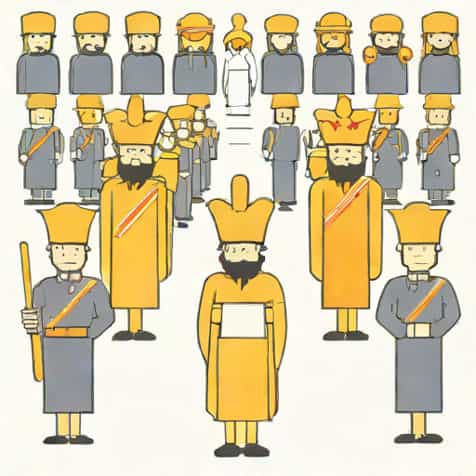
Life is full of moments that are marked by rituals, ceremonies, and organized gatherings, where people often move together in a coordinated or symbolic manner. One word that perfectly encapsulates such movements is procession. A procession is a line or sequence of people, vehicles, or objects moving in an orderly fashion, often for ceremonial, religious, or celebratory purposes. Using procession in a sentence allows writers to depict not just movement, but also tradition, respect, or festivity. Understanding its application can enhance both descriptive writing and communication about social or cultural events.
Definition and Meaning of Procession
A procession is typically an organized line or sequence of individuals, animals, vehicles, or objects moving forward in a deliberate manner. It is often associated with ceremonies, parades, funerals, religious events, or festive occasions. The term implies coordination and a shared purpose among the participants, which distinguishes it from random or unorganized movement. In literary or everyday contexts, using procession effectively conveys dignity, order, and significance in the described scene.
Origins and Etymology
The word procession comes from the Latin word processio, which means going forward or advance. Historically, it was used in religious and ceremonial contexts, referring to groups of people moving in a formal or ritualistic manner. Over time, the meaning broadened to include parades, marches, and any organized movement with a symbolic or social purpose. The etymology highlights its inherent association with forward motion, purpose, and collective action.
Using Procession in a Sentence
Incorporating procession into sentences allows writers to convey both visual imagery and the significance of an event. It emphasizes not just movement, but also order, formality, or celebration. For example, a sentence like The solemn procession of monks wound through the temple courtyard immediately evokes imagery of calm, dignity, and ritual, while informing the reader about the setting and participants.
Examples of Procession in Sentences
- A procession of colorful floats made its way through the city streets during the festival.
- The bride walked slowly in the wedding procession, her dress trailing behind her.
- During the national holiday, a grand procession of soldiers and officials passed by the central square.
- The funeral procession moved quietly through the town, accompanied by mournful music.
- Children formed a small procession carrying lanterns in celebration of the cultural parade.
Literal vs. Figurative Use
While procession is most commonly used literally to describe a line of people or objects moving in an organized manner, it can also be applied figuratively. Figurative uses convey a sense of sequential occurrence, gradual development, or continuous flow. For example, A procession of memories filled her mind suggests a sequential unfolding of thoughts or recollections, borrowing the imagery of organized movement to describe mental or emotional experiences. Figurative usage adds depth to writing and allows the word to be versatile in literature and essays.
Procession in Literature and Storytelling
Writers often use procession to create vivid imagery and emphasize the significance of events in narratives. In historical novels, religious texts, or descriptive essays, the word helps evoke atmosphere and order. For instance, The procession of knights, banners waving in the wind, announced the beginning of the grand tournament not only describes the movement but also conveys the ceremonial importance and visual spectacle of the scene. Using procession in such contexts enhances both the visual and emotional impact of the writing.
Tips for Effective Usage
- Use procession to emphasize order, formality, or ceremonial significance in a scene.
- Pair it with descriptive adjectives like grand, solemn, or colorful to enhance imagery.
- Combine with verbs like wound, marched, or advanced to convey motion.
- Consider figurative uses to describe sequences, flows, or series beyond physical movement.
- Ensure context supports the tone, whether celebratory, solemn, or narrative, for maximum effect.
Common Mistakes to Avoid
One common mistake is using procession to describe unorganized or chaotic movement. The word inherently implies order and collective purpose, so it should not be used for random or haphazard motion. Another error is using it without context, leaving readers unclear whether it refers to a parade, religious ceremony, or figurative sequence. Providing context and relevant details ensures clarity and impact.
Examples of Misuse
- Incorrect A procession of people ran through the park. (Implying disorder contradicts the meaning.)
- Corrected A solemn procession of people walked through the park, carrying banners in perfect formation. (Restores sense of order and purpose.)
Advanced Usage and Nuance
Advanced writers use procession to convey layers of meaning, symbolism, or emotional tone. A procession can represent life’s stages, the passage of time, or collective human experiences. For example A procession of seasons swept across the landscape, each bringing its own colors and moods employs figurative language to describe natural changes sequentially, enriching the text with metaphorical depth. This versatility allows procession to function as both a literal and literary device.
Using procession in a sentence offers a way to depict organized movement, ceremonial significance, and collective participation. It is a word that can describe both literal events like parades, weddings, or religious rituals, and figurative sequences like memories, thoughts, or natural cycles. Mastering the use of procession enriches writing by adding clarity, imagery, and emotional depth. Whether in descriptive essays, creative writing, or narrative storytelling, procession is a valuable term that conveys order, dignity, and continuity, enhancing both the reader’s understanding and engagement with the text.