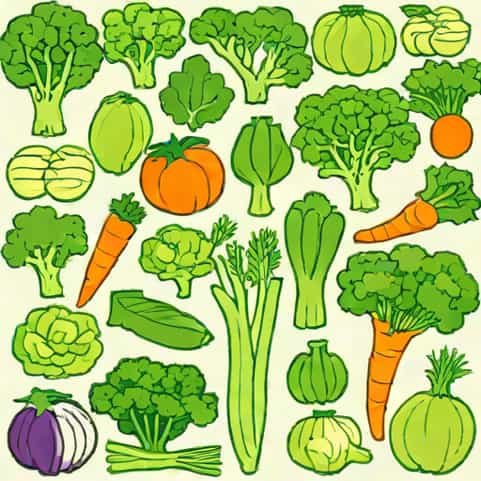
Non-starchy green vegetables are an essential part of a healthy diet, providing vital nutrients, fiber, and antioxidants while being low in calories and carbohydrates. Unlike starchy vegetables such as potatoes or corn, non-starchy greens are ideal for those looking to manage their weight, control blood sugar levels, or simply improve overall health. These vegetables are incredibly versatile, easy to prepare, and can be enjoyed raw in salads, steamed, sautéed, or added to soups and smoothies. Incorporating a variety of non-starchy green vegetables into your daily meals helps ensure a balanced diet and supports heart health, digestion, and immune function.
What Are Non-Starchy Green Vegetables?
Non-starchy green vegetables are vegetables that contain minimal amounts of carbohydrates and calories while being rich in essential nutrients. They are called non-starchy because they do not contain the high levels of starch found in vegetables like peas, corn, or potatoes. Examples of non-starchy green vegetables include spinach, kale, broccoli, asparagus, and green beans. These vegetables are high in vitamins A, C, and K, folate, iron, and magnesium, making them nutritional powerhouses that contribute to overall health and wellness.
Health Benefits of Non-Starchy Green Vegetables
Eating non-starchy green vegetables offers numerous health benefits, making them a crucial component of a well-rounded diet. Some of the most notable benefits include
- Weight ManagementLow in calories and carbohydrates, non-starchy greens can help with weight loss or maintenance.
- Blood Sugar ControlThe low carbohydrate content and high fiber help regulate blood sugar levels, which is beneficial for individuals with diabetes or prediabetes.
- Heart HealthRich in antioxidants and nutrients like potassium and magnesium, these vegetables support cardiovascular health and help reduce blood pressure.
- Digestive HealthHigh fiber content promotes healthy digestion, prevents constipation, and supports gut microbiota.
- Bone HealthContaining calcium, vitamin K, and magnesium, non-starchy green vegetables contribute to strong bones and reduce the risk of osteoporosis.
- Immune SupportVitamins A and C boost immune function and help the body fight infections.
Common Types of Non-Starchy Green Vegetables
There is a wide variety of non-starchy green vegetables available, each with unique nutritional benefits and flavors. Some popular choices include
Spinach
Spinach is a leafy green vegetable rich in iron, folate, and vitamins A and C. It can be eaten raw in salads, added to smoothies, or cooked in soups and sautés. Spinach is known for its antioxidant properties, supporting eye health and reducing inflammation.
Kale
Kale is another nutrient-dense leafy green high in vitamins K, A, and C. It is also rich in calcium, which supports bone health. Kale can be used in salads, smoothies, and baked as chips for a crunchy snack. Its antioxidants and fiber help improve digestion and overall health.
Broccoli
Broccoli is a cruciferous vegetable packed with vitamins C and K, folate, and fiber. It has compounds called glucosinolates that may have cancer-preventive properties. Broccoli can be steamed, roasted, or added to stir-fries and soups, making it a versatile choice for meals.
Asparagus
Asparagus is low in calories but rich in nutrients such as folate, vitamins A, C, and K, and antioxidants. It is also a natural diuretic, which can support kidney health. Asparagus can be grilled, roasted, or lightly steamed for maximum flavor and nutrient retention.
Green Beans
Green beans are non-starchy legumes that are high in fiber, vitamins C and K, and minerals like manganese. They are excellent for heart health and digestive health. Green beans can be steamed, sautéed, or added to casseroles and salads for extra nutrition.
How to Incorporate Non-Starchy Green Vegetables into Your Diet
Including non-starchy green vegetables in your meals does not have to be difficult. There are many ways to enjoy them, ensuring a variety of flavors and textures throughout the week. Here are some tips
Salads and Raw Consumption
Leafy greens like spinach, arugula, and romaine can be used as the base for salads. Add other vegetables, nuts, seeds, and a light dressing for a nutritious and satisfying meal. Eating some non-starchy greens raw preserves their vitamin content, particularly vitamin C.
Steamed or Sautéed
Steaming or lightly sautéing vegetables like broccoli, kale, or green beans helps retain their nutrients while enhancing flavor. Use olive oil or a small amount of butter for sautéing, and season with herbs and spices for added taste without adding excessive calories.
Soups and Stews
Non-starchy greens can be added to soups, stews, and casseroles. Spinach, kale, and broccoli blend well in hearty soups, providing nutrients and fiber while increasing the volume of your meal without adding many calories.
Smoothies
Leafy greens like spinach and kale can be blended into smoothies with fruits such as bananas, berries, and oranges. This is an easy way to consume a large amount of vegetables in a delicious, nutrient-packed beverage.
Tips for Maximizing Nutritional Value
To get the most benefits from non-starchy green vegetables, consider the following tips
- Choose fresh, seasonal vegetables whenever possible.
- Wash thoroughly to remove pesticides and contaminants.
- Use minimal cooking methods like steaming or sautéing to preserve nutrients.
- Pair greens with healthy fats, like olive oil or avocado, to improve absorption of fat-soluble vitamins A, D, E, and K.
- Rotate different types of non-starchy greens to ensure a diverse nutrient intake.
Non-starchy green vegetables are essential for a balanced diet, offering a wide range of health benefits from improved digestion and heart health to better weight management and immune support. By incorporating a variety of greens such as spinach, kale, broccoli, asparagus, and green beans into meals, individuals can enjoy delicious, nutrient-dense dishes while maintaining low calorie and carbohydrate intake. Utilizing different cooking methods, pairing with healthy fats, and including these vegetables in salads, soups, and smoothies can help maximize their nutritional value. Non-starchy green vegetables are a versatile and vital component of a healthy lifestyle, supporting overall wellness and long-term health goals.