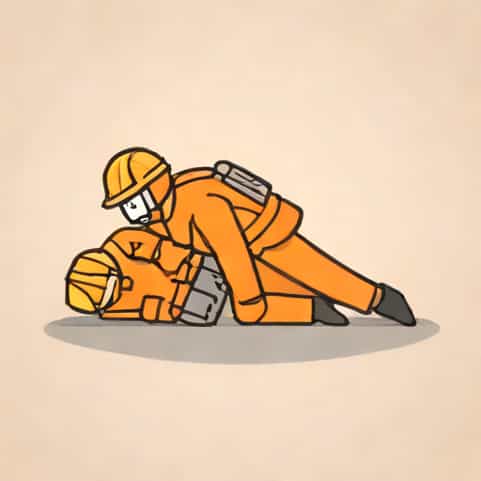
The phrase never leave a fallen comrade carries deep emotional weight and powerful meaning that goes far beyond the battlefield. It is a principle that represents loyalty, sacrifice, and the unbreakable bond between people who face challenges together. While it is often associated with military service and the code of soldiers, its relevance extends into everyday life, friendships, teamwork, and communities. This timeless idea speaks to our human need for solidarity, trust, and courage in the face of adversity.
The Origin of the Principle
The saying never leave a fallen comrade has long been part of military ethos, especially in armies where comradeship is seen as essential to survival and morale. Soldiers rely on one another in life-or-death situations, and the promise to recover and protect each other ensures that no one is abandoned, regardless of the cost. This principle is part of the Soldier’s Creed and Warrior Ethos in the United States military, but similar codes exist worldwide. The origin may differ across cultures, but the spirit remains the same loyalty is absolute, and bonds forged in hardship are unbreakable.
The Soldier’s Creed
In the U.S. Army, the Soldier’s Creed specifically states I will never leave a fallen comrade. This line emphasizes the responsibility of every soldier to uphold honor, trust, and care for their fellow service members. It is not merely a guideline but a vow-a sacred promise that builds unity within the ranks.
The Emotional Power of Comradeship
To understand the weight of this principle, one must consider the emotional bond between comrades. In combat, soldiers are more than colleagues; they become family. Shared struggles, dangers, and victories create relationships based on trust and loyalty that are rarely broken. The phrase ensures that even in moments of chaos, each individual feels secure knowing they will not be left behind.
- It creates confidence in teamwork and cooperation.
- It eliminates fear of abandonment in dangerous situations.
- It strengthens morale by showing that loyalty is guaranteed.
- It builds mutual respect between individuals who depend on one another.
Never Leave a Fallen Comrade Beyond the Battlefield
Although its roots lie in the military, the principle can be applied to many areas of civilian life. In workplaces, schools, families, and friendships, the idea of standing by others in times of hardship reflects the same commitment. The fallen comrade in civilian terms may be someone struggling with financial hardship, emotional challenges, illness, or personal failure. By refusing to abandon them, we create stronger communities and more compassionate societies.
In the Workplace
Supporting a colleague who has made a mistake or is struggling with workload reflects the spirit of never leaving a fallen comrade. Instead of isolating them, offering guidance and support can restore morale and improve team unity.
In Friendships
True friends stand by each other during both successes and failures. Supporting a friend during moments of crisis-whether through encouragement, time, or simply presence-is a civilian reflection of this powerful principle.
In Communities
Communities grow stronger when members refuse to abandon those in need. Acts of charity, volunteer work, and standing together during disasters embody the essence of not leaving a fallen comrade behind.
The Ethical Dimension
At its core, this principle is an ethical one. It requires individuals to put aside self-interest in favor of loyalty and sacrifice. Upholding it often comes with risks, as in war zones where retrieving a comrade may endanger lives. Yet, the moral obligation to preserve human dignity and solidarity outweighs personal safety for many who live by this code.
The Value of Sacrifice
Choosing to risk safety for another demonstrates the highest level of compassion and duty. Sacrifice underlines the idea that human bonds matter more than personal gain, making this principle deeply honorable.
The Question of Responsibility
Living by this creed asks every individual to take responsibility not only for themselves but also for others. It requires vigilance, courage, and readiness to act when someone falls-whether in a literal or figurative sense.
Stories That Reflect the Creed
Throughout history, countless stories illustrate the importance of never leaving a fallen comrade. Soldiers returning under fire to rescue wounded teammates, communities rallying to support disaster victims, and individuals standing by loved ones in moments of crisis all showcase this principle in action. These stories endure because they remind us of what it means to value human connection above all else.
Historical Accounts
During major conflicts, many soldiers were awarded honors for acts of bravery that embodied this principle. Retrieving the wounded or refusing to abandon fallen comrades under enemy fire became symbols of ultimate loyalty.
Everyday Heroes
Outside the military, countless people live by this code without recognition. First responders rushing into danger, medical staff who remain with patients during crises, or neighbors supporting each other during tough times are examples of how this phrase comes alive in daily life.
Applying the Principle in Modern Times
Modern society can benefit from embracing this value more broadly. In a world that often emphasizes individual success, the reminder to never leave a fallen comrade calls us back to empathy, responsibility, and shared humanity.
- Support mental health awareness by ensuring no one feels isolated in their struggles.
- Offer assistance to those experiencing financial or social hardship.
- Stand by loved ones during health challenges rather than avoiding them.
- Create workplaces where teamwork and loyalty matter more than competition.
Why It Resonates So Deeply
The enduring appeal of never leave a fallen comrade lies in its universality. Every human being desires safety, support, and loyalty. The principle affirms that we are not alone, even when life becomes overwhelming. It connects military values with universal human needs, bridging the gap between soldiers on the battlefield and civilians in everyday life.
A Symbol of Humanity
At its heart, this saying symbolizes what it means to be human to care for one another, to protect each other, and to recognize the value of life and dignity. It speaks to our highest ideals and aspirations as individuals and as societies.
Living the Creed
Never leave a fallen comrade is more than a phrase-it is a way of life that embodies loyalty, courage, and compassion. Born from military codes of honor, it has become a universal principle that encourages us to stand by others during their darkest hours. Whether in war zones, workplaces, friendships, or families, the refusal to abandon those in need creates bonds of trust and strength that last a lifetime. Living by this creed means building a world where no one has to face hardship alone, and where loyalty defines the true measure of character. By carrying this principle into daily life, we honor both those who serve and the very essence of humanity itself.