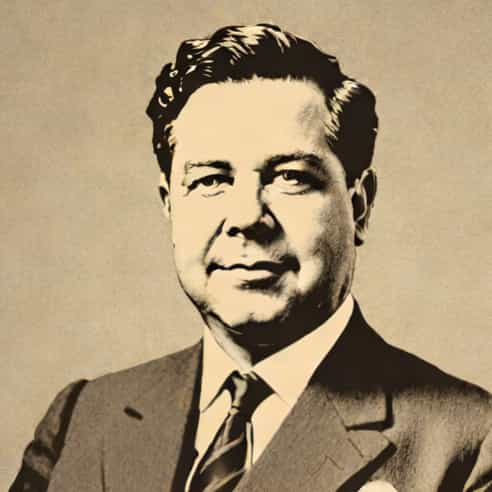
Huey Long, often remembered as one of the most controversial and charismatic political figures in American history, served as the Governor of Louisiana from 1928 to 1932. His tenure was marked by ambitious social programs, aggressive political strategies, and a populist appeal that resonated with many citizens struggling during the Great Depression. Known as The Kingfish, Long implemented policies designed to redistribute wealth, improve infrastructure, and expand education, all while consolidating power in ways that often drew criticism from political opponents and the media. Examining his life, political career, and enduring legacy provides insight into how Huey Long shaped Louisiana’s history and influenced national politics during the early 20th century.
Early Life and Education
Huey Pierce Long Jr. was born on August 30, 1893, in Winnfield, Louisiana, a small town with a strong sense of community and conservative values. He grew up in a family of modest means, which profoundly shaped his perspective on poverty and social inequality. Long attended local schools before pursuing higher education at Louisiana State University, where he studied law. His background and early experiences in a rural setting influenced his populist ideology, giving him a deep understanding of the economic hardships faced by ordinary citizens. These formative years laid the foundation for his later political career and his appeal to the working class.
Entry into Politics
Huey Long began his political career in the Louisiana House of Representatives, where he quickly established a reputation as a forceful and persuasive figure. His charisma, combined with an ability to articulate the concerns of the common people, helped him gain recognition. Long championed policies that targeted economic inequality and aimed to break the control of wealthy elites over state politics. He used both legal means and aggressive campaigning strategies to expand his influence, setting the stage for his rise to the governorship.
Governorship of Louisiana
Huey Long assumed the office of Governor of Louisiana in 1928, promising radical reform and direct action to improve the lives of citizens. His administration focused on infrastructure development, education, and social welfare programs. Roads, bridges, and public buildings were constructed across the state, significantly improving accessibility and modernizing Louisiana’s infrastructure. Long’s approach to governance was characterized by hands-on management and a willingness to bypass traditional political norms to achieve his goals. His populist rhetoric resonated with the poor and working-class citizens, earning him widespread support.
Major Achievements
During his time as governor, Huey Long implemented several notable programs and reforms
- Education ExpansionLong invested heavily in public education, increasing teacher salaries and building new schools, particularly in rural areas.
- Infrastructure ProjectsHe initiated massive road-building campaigns, improving transportation and stimulating local economies.
- Social Welfare ProgramsLong created initiatives to support low-income families, including financial assistance and public housing programs.
- Tax ReformsHe introduced progressive taxation policies to redistribute wealth from the wealthy elite to the broader population.
Political Style and Controversies
Huey Long’s political style was both admired and criticized. He was a master of political rhetoric, using public speeches, newspapers, and radio broadcasts to communicate directly with the populace. His approach often involved consolidating power by appointing loyal allies to key positions and controlling state institutions. While his supporters praised him for bypassing entrenched political elites to benefit ordinary citizens, critics accused him of authoritarian tendencies and manipulating democratic processes to maintain control.
Populism and National Ambitions
Long’s vision extended beyond Louisiana. He became a national figure during the Great Depression, advocating for wealth redistribution through his Share Our Wealth program. This plan proposed capping personal fortunes, providing a guaranteed income for families, and funding public education and healthcare. Long’s proposals appealed to Americans suffering from economic hardship, and he gained a national following. His ambitions eventually led him to seek a seat in the United States Senate, where he continued to promote his agenda and build a national platform for his ideas.
Assassination and Legacy
Huey Long’s career was cut short on September 10, 1935, when he was assassinated in the Louisiana State Capitol by Carl Weiss, a local physician. His death shocked the nation and left a lasting impact on both state and national politics. Despite his polarizing methods, Long’s legacy endured through the programs he implemented and the political model he inspired. Many of his initiatives in education, infrastructure, and social welfare continued to benefit Louisiana long after his death. His life remains a subject of study for scholars and historians seeking to understand populism, power, and reform in American politics.
Impact on Louisiana
Huey Long transformed Louisiana’s political landscape, establishing a legacy of populist governance that influenced the state for decades. His emphasis on public works and social programs helped modernize the state and improve the quality of life for many residents. Additionally, his political strategies and organizational skills set a precedent for future politicians seeking to implement bold reforms while navigating opposition from entrenched interests.
Cultural and Historical Significance
Huey Long’s life and career have left an indelible mark on American culture and history. He is often cited as an example of the complexities of populist leadership, demonstrating both the potential for significant social change and the dangers of consolidating power in a single individual. His speeches, policies, and public persona continue to be analyzed in political science, history, and sociology for insights into leadership, charisma, and mass appeal. Long’s story also provides a window into the challenges of governance during times of economic crisis, illustrating how leaders respond to the needs of their constituents under pressure.
Lessons from Long’s Leadership
- The importance of addressing economic inequality and providing support for underprivileged communities.
- The impact of infrastructure and education on state development and modernization.
- The balance between strong leadership and democratic principles to prevent authoritarianism.
- The power of effective communication in shaping public opinion and political influence.
- The role of charismatic leadership in building lasting social and political movements.
Huey Long, the Governor of Louisiana, remains a complex and fascinating figure in American history. His tenure was marked by sweeping reforms, ambitious social programs, and a controversial political style that combined populist appeal with consolidation of power. Long’s impact on Louisiana’s infrastructure, education, and social welfare is undeniable, and his national ambitions and Share Our Wealth program illustrate his broader vision for economic equity. While his methods drew criticism, his ability to connect with ordinary citizens and implement tangible reforms ensures that his legacy endures. Studying Huey Long provides valuable lessons on leadership, populism, and the interplay between politics and social change, making him an enduring figure in the annals of American governance.
Ultimately, Huey Long’s story exemplifies the potential of charismatic leadership to drive both reform and controversy. His life continues to inspire debate and analysis, reflecting the challenges and possibilities inherent in political power, social advocacy, and the quest for equity. By examining his achievements and controversies, one can gain a deeper understanding of Louisiana’s history and the enduring impact of one of its most influential governors.