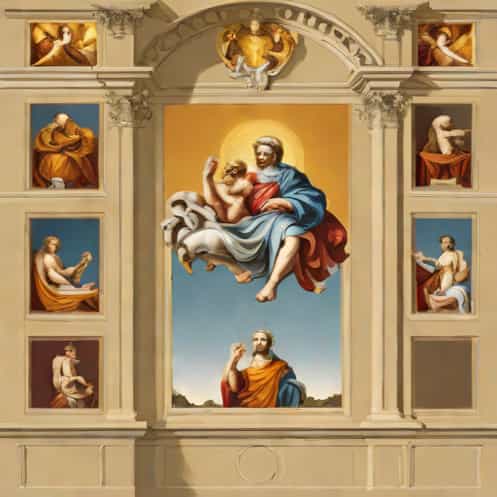
The Sistine Chapel, located in Vatican City, is one of the most iconic and visited landmarks in the world. Its walls and ceiling, adorned with masterpieces by Michelangelo and other Renaissance artists, have captivated viewers for centuries. Images of the Sistine Chapel reveal not only the incredible artistic skill involved but also the deep religious and cultural significance of the space. From the famous ceiling depicting scenes from the Book of Genesis to the Last Judgment fresco on the altar wall, the chapel offers a visual journey through faith, history, and art. Capturing these images allows people worldwide to experience the grandeur and detail of this extraordinary masterpiece, even if they cannot visit in person.
Historical Background
The Sistine Chapel was commissioned by Pope Sixtus IV in the late 15th century and constructed between 1473 and 1481. It has served as the site of papal conclaves, religious ceremonies, and other important events within the Catholic Church. The chapel is named after Pope Sixtus IV, who initiated its construction and oversaw its decoration. Over the years, various artists contributed to its interior, but Michelangelo’s work on the ceiling, completed between 1508 and 1512, remains the most celebrated and recognized feature.
Michelangelo’s Ceiling
The ceiling of the Sistine Chapel is a pinnacle of Renaissance art. Michelangelo was tasked with painting a series of scenes from the Book of Genesis, including the iconic Creation of Adam, which has become one of the most reproduced images in art history. The ceiling contains over 300 figures, intricate details, and symbolic representations that showcase Michelangelo’s mastery of anatomy, perspective, and storytelling. Images of this ceiling capture the vivid colors, dramatic expressions, and monumental scale that make it a defining work of Western art.
The Last Judgment
On the altar wall of the chapel, Michelangelo painted the Last Judgment between 1536 and 1541. This massive fresco depicts the second coming of Christ and the final judgment of souls. The composition is filled with dynamic figures, intense emotion, and intricate detail, creating a powerful narrative that conveys both awe and contemplation. Images of the Last Judgment help viewers appreciate the complexity of Michelangelo’s vision and the theological messages conveyed through his artistry.
Other Artistic Contributions
While Michelangelo’s works dominate the Sistine Chapel, other artists also contributed to its decoration. Botticelli, Perugino, Ghirlandaio, and Rosselli painted frescoes along the side walls depicting scenes from the lives of Moses and Jesus. These works complement Michelangelo’s central pieces and provide additional context for understanding biblical narratives. Images of these frescoes reveal the diversity of artistic styles and techniques that coexist within the chapel, highlighting the collaborative effort that defines its historical and cultural significance.
Side Wall Frescoes
- Perugino’s works illustrate the life of Christ and various scenes from the New Testament.
- Botticelli contributed to the detailed narratives with his distinctive style and attention to human emotion.
- Ghirlandaio’s frescoes offer a glimpse into contemporary Renaissance society while depicting biblical events.
- Images of these walls show the interplay of color, perspective, and storytelling across different artists’ contributions.
Capturing Images of the Sistine Chapel
Photography inside the Sistine Chapel is restricted, but professional images and reproductions allow the world to experience its beauty. High-resolution images provide detailed views of individual sections of the ceiling and walls, enabling art historians, students, and enthusiasts to study the intricacies of the artwork. These images highlight Michelangelo’s brushwork, the vibrancy of colors, and the emotional depth conveyed through the figures’ expressions and poses.
Importance of Visual Documentation
Images of the Sistine Chapel serve multiple purposes beyond mere appreciation. They preserve the artwork for future generations, support academic research, and allow museums and educational institutions to share this cultural treasure globally. By studying these images, scholars can analyze techniques, restoration efforts, and the historical context of each fresco. Additionally, images inspire new generations of artists and enthusiasts who draw creativity and insight from Michelangelo’s masterpieces.
Restoration and Preservation
The Sistine Chapel has undergone several restoration projects to maintain the vibrancy and structural integrity of its frescoes. High-quality images played a crucial role during these restorations, enabling conservators to examine minute details and monitor changes over time. Restoration efforts have revealed the original brilliance of Michelangelo’s colors and corrected discoloration caused by centuries of candle smoke, pollution, and environmental factors. Images documenting these processes highlight the ongoing dedication to preserving this artistic and spiritual heritage.
Digital Access and Virtual Tours
Modern technology has made images of the Sistine Chapel more accessible than ever. Virtual tours and digital galleries allow people worldwide to explore the ceiling, the Last Judgment, and the side wall frescoes in unprecedented detail. These digital images provide a near-real-life experience, enabling viewers to zoom in on specific sections, study individual figures, and understand the composition from different perspectives. The availability of digital images democratizes access to one of the world’s greatest artistic achievements.
Impact on Art and Culture
The images of the Sistine Chapel have had a profound influence on art, culture, and education. Artists, designers, and filmmakers often reference the chapel’s works in their creations, while educators use images to teach art history, anatomy, and Renaissance techniques. The iconic status of Michelangelo’s creations ensures that images of the Sistine Chapel remain a source of inspiration and admiration. The chapel’s visual legacy continues to shape cultural conversations about art, religion, and human creativity.
Global Recognition
- Images of the ceiling and Last Judgment are widely reproduced in textbooks, museums, and online platforms.
- They inspire artistic and creative endeavors across various disciplines worldwide.
- Iconic imagery, such as the Creation of Adam, has become a symbol of human aspiration and artistic genius.
- These images connect people to Renaissance history, religious narratives, and the enduring power of visual storytelling.
Images of the Sistine Chapel offer a window into one of the greatest artistic achievements in human history. From Michelangelo’s ceiling and the Last Judgment to the side wall frescoes by other Renaissance masters, every element contributes to a rich visual and spiritual experience. These images allow people across the globe to appreciate the chapel’s beauty, study its artistic techniques, and understand its historical significance. By documenting and sharing these masterpieces, we preserve the legacy of the Sistine Chapel and ensure that its influence continues to inspire generations to come.
Whether through high-resolution photographs, virtual tours, or scholarly reproductions, images of the Sistine Chapel capture the detail, emotion, and grandeur of this cultural treasure. They provide not only aesthetic pleasure but also educational insight and a connection to the religious and historical context that makes the chapel extraordinary. As one of the most celebrated works of art in the world, the Sistine Chapel’s imagery remains timeless, bridging centuries of artistic excellence and human devotion.