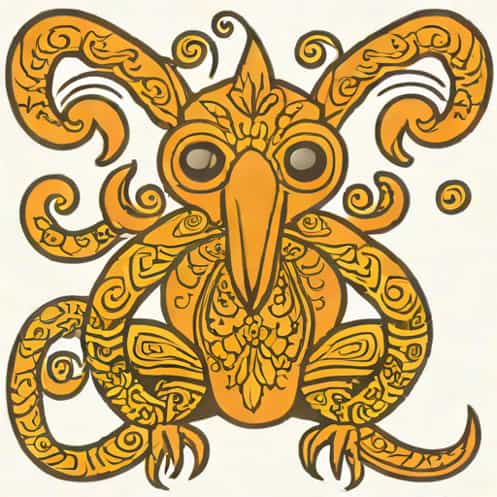
Folkloric creatures have fascinated humans for centuries, often appearing in myths, legends, and cultural stories passed down through generations. Among these creatures, some are known by names as short as three letters. Despite their brief names, these beings often carry rich histories, symbolic meanings, and unique characteristics that make them memorable across different cultures. Exploring these three-letter folkloric creatures reveals not only the diversity of mythological traditions but also the ways in which simple concepts can leave a lasting impression on folklore and popular culture.
Understanding Folkloric Creatures
Folkloric creatures are entities that exist in the myths, legends, and cultural stories of different societies. They can range from benevolent spirits to malevolent monsters, each serving a purpose within the stories they inhabit. Folkloric creatures often embody moral lessons, natural phenomena, or human fears and desires. They can also represent elements of nature, cultural values, or historical events, giving them significance beyond their mythical forms. Three-letter folkloric creatures, although simple in name, often carry rich symbolic meanings that are deeply ingrained in the cultures from which they originate.
Common Examples of Three-Letter Folkloric Creatures
Several folkloric creatures have names consisting of just three letters. These creatures appear in myths and legends across the world, and their short names make them easy to remember while encapsulating complex characteristics
- ImpOften found in European folklore, imps are small, mischievous creatures associated with trickery and minor mischief. Despite their tiny size, imps can cause unexpected trouble and are sometimes linked to darker magical practices or supernatural pranks.
- ElfPopular in Germanic and Scandinavian mythology, elves are supernatural beings associated with nature, magic, and ethereal beauty. Elves vary in personality from helpful and wise to cunning and capricious, depending on the story and cultural context.
- OniA creature from Japanese folklore, oni are large and fearsome demons or ogres. Often depicted with horns, sharp teeth, and supernatural strength, oni serve as cautionary figures or antagonists in myths and festivals. They symbolize danger, punishment, and the darker aspects of human nature.
The Role of Three-Letter Folkloric Creatures in Mythology
Three-letter folkloric creatures, despite their short names, often have outsized roles in mythology and storytelling. Their compact names make them easily memorable, while their actions and characteristics are vividly detailed in legends. These creatures can serve as
- TrickstersImps, for example, frequently act as tricksters, teaching lessons about cleverness, humility, or the consequences of mischief.
- Guardians or ProtectorsSome elves are depicted as protectors of forests or sacred places, emphasizing a cultural respect for nature and the environment.
- Symbols of FearOni and similar creatures often represent the fears or dangers that communities need to be aware of, such as disease, punishment, or malevolent forces.
These roles highlight how even the simplest folkloric creatures can encapsulate complex cultural values and universal human themes, making them significant in both historical and modern storytelling.
Cultural Significance of Three-Letter Creatures
Different cultures attach unique meanings and stories to their three-letter folkloric creatures. Understanding these cultural contexts provides insight into the societies that created them
- European ImpIn European tales, imps are often tied to domestic settings or magical rituals. They can symbolize minor chaos in daily life, reminding people of the importance of vigilance and cleverness.
- Scandinavian ElfElves in Scandinavian folklore are often associated with fertility, agriculture, and natural cycles. They remind communities of the interconnectedness of humans and the natural world.
- Japanese OniOni frequently appear in festivals such as Setsubun, where throwing beans is meant to drive away evil spirits. This practice illustrates how folklore can influence cultural traditions and rituals.
By exploring the cultural context of these creatures, it becomes clear that their significance extends beyond simple myth, influencing traditions, festivals, and moral lessons that persist to this day.
Folkloric Creatures in Modern Media
Three-letter folkloric creatures have also found their way into modern media, including literature, video games, films, and television. Their concise names and distinctive traits make them easy to integrate into contemporary stories. Examples include
- ImpsOften depicted as minor antagonists or comic relief in fantasy novels and games, maintaining their mischievous nature.
- ElvesFeatured prominently in high fantasy literature, movies, and role-playing games, elves often retain their magical abilities and ethereal qualities, serving as heroes, guides, or magical allies.
- OniAppearing in anime, manga, and video games, oni maintain their fearsome reputation while sometimes being reinterpreted in humorous or heroic roles.
The continued presence of these creatures in modern storytelling underscores their adaptability and the enduring appeal of folkloric themes across generations and cultures.
Symbolism and Interpretation
Beyond their literal depiction, three-letter folkloric creatures carry symbolic meanings. Imps can represent mischief and unpredictability, elves often symbolize nature and magic, and oni signify danger and supernatural power. These symbols resonate in modern storytelling, allowing writers, game designers, and artists to explore timeless themes such as morality, courage, and human interaction with the supernatural.
Three-letter folkloric creatures, though brief in name, carry immense significance in mythology, culture, and modern media. From imps to elves to oni, each creature embodies unique traits and stories that have been passed down through generations. Their presence in folklore provides insight into cultural values, human fears, and moral lessons, while their continued use in modern media highlights their enduring appeal. Understanding these creatures allows us to appreciate the richness of folklore and the power of myth, even in its simplest forms, demonstrating that even a name as short as three letters can hold a world of meaning.
This topic naturally integrates keywords like three-letter folkloric creature, imp, elf, oni, folklore and mythology, and cultural significance of mythical creatures for SEO while remaining easy to read and engaging for a general audience.