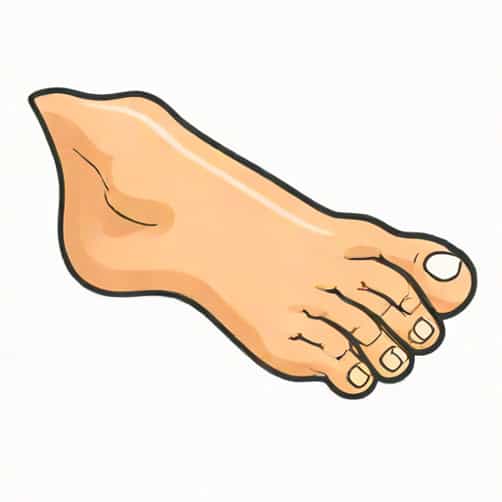
A broken proximal phalanx in the foot is a common injury that can significantly impact mobility and daily activities. The proximal phalanges are the bones located just beyond the metatarsals, forming the base of the toes. Fractures in these bones often result from trauma, such as stubbing a toe, dropping a heavy object, or sports-related injuries. Understanding the anatomy, symptoms, treatment options, and recovery process is essential for managing this type of injury effectively. Prompt diagnosis and proper care are crucial to prevent complications, ensure proper healing, and restore normal foot function.
Anatomy of the Proximal Phalanx
The proximal phalanges are the first set of bones in the toes, connecting directly to the metatarsal bones. Each toe, except the big toe, has three phalanges proximal, middle, and distal. The big toe consists of only two phalanges. The proximal phalanx is important for toe stability and contributes to balance, walking, and weight-bearing activities. Injuries to this bone can disrupt normal biomechanics, leading to pain, swelling, and difficulty in performing daily tasks.
Function and Importance
The proximal phalanges serve as a critical structural component of the foot, providing support and leverage for walking, running, and jumping. They allow the toes to flex and extend, contributing to proper gait and balance. Damage to these bones can impair movement, increase the risk of secondary injuries, and cause long-term discomfort if not treated appropriately. Maintaining the integrity of the proximal phalanges is essential for overall foot health.
Causes of a Broken Proximal Phalanx
Fractures of the proximal phalanx can occur due to various reasons. Common causes include
- Direct trauma, such as dropping a heavy object on the toe
- Sports injuries, including sudden twisting or impact during activities
- Stubbing the toe forcefully against a hard surface
- Falls or accidents causing direct pressure on the foot
- Repetitive stress or overuse, which can lead to stress fractures over time
Understanding the mechanism of injury helps healthcare providers determine the severity of the fracture and the most appropriate treatment approach.
Types of Proximal Phalanx Fractures
Broken proximal phalanges can be classified based on the pattern and severity of the fracture
- Transverse fractureA straight horizontal break across the bone
- Oblique fractureAn angled break that can create instability
- Comminuted fractureThe bone is shattered into multiple pieces
- Displaced fractureThe bone fragments have moved out of alignment
- Stress fractureA small crack caused by repetitive stress or overuse
Each type of fracture requires specific management strategies to ensure proper healing and prevent complications.
Symptoms and Diagnosis
A broken proximal phalanx typically presents with immediate and noticeable symptoms. Common signs include
- Severe pain at the base of the affected toe
- Swelling and bruising around the fracture site
- Difficulty walking or bearing weight on the affected foot
- Visible deformity in cases of displaced fractures
- Limited range of motion in the toe
Prompt medical evaluation is necessary to confirm the diagnosis. Doctors often use physical examinations and imaging studies, such as X-rays, to assess the location, type, and severity of the fracture. Accurate diagnosis is critical to develop an effective treatment plan.
Medical Evaluation
During a medical assessment, the healthcare provider will
- Examine the toe for swelling, bruising, and deformity
- Check for tenderness and range of motion
- Perform X-rays to identify the exact fracture pattern
- Assess for associated injuries in nearby bones or soft tissues
Timely and accurate evaluation ensures that treatment can begin quickly, reducing the risk of long-term complications.
Treatment Options
Treatment for a broken proximal phalanx depends on the type and severity of the fracture. Minor, non-displaced fractures may be treated conservatively, while more complex or displaced fractures could require surgical intervention. Common treatment approaches include
Conservative Management
For stable fractures without displacement, conservative treatment may include
- Buddy taping the affected toe to an adjacent toe for support
- Immobilization with a splint or protective footwear
- Rest and avoidance of weight-bearing activities
- Ice application to reduce swelling
- Pain management using over-the-counter medications
Conservative treatment is often effective for simple fractures and allows the bone to heal naturally over several weeks.
Surgical Intervention
Displaced, comminuted, or unstable fractures may require surgery to realign and stabilize the bone. Surgical options may include
- Internal fixation using pins, screws, or plates
- Realignment of bone fragments to restore normal toe anatomy
- Post-operative immobilization to support healing
Surgery is usually followed by a period of restricted activity and rehabilitation to restore full function and prevent stiffness or deformity.
Recovery and Rehabilitation
Recovery from a broken proximal phalanx in the foot requires patience and adherence to medical guidance. Healing times can vary depending on the fracture type, patient age, and overall health. General recovery guidelines include
- Immobilization for 4-6 weeks, depending on the severity
- Gradual reintroduction of weight-bearing activities
- Physical therapy to restore strength, flexibility, and balance
- Monitoring for signs of complications such as infection, delayed healing, or malalignment
Following the prescribed rehabilitation program ensures that patients regain normal foot function and reduce the risk of long-term issues.
Complications to Watch For
Although many fractures heal successfully, potential complications can arise, including
- Chronic pain or sensitivity at the fracture site
- Joint stiffness or reduced range of motion
- Malunion, where the bone heals in an incorrect position
- Arthritis in the affected toe if the joint was involved
Close follow-up with a healthcare provider is essential to address any complications promptly.
Prevention Tips
Preventing fractures in the proximal phalanges involves taking precautions during daily activities and sports. Key prevention strategies include
- Wearing appropriate footwear that provides support and protection
- Avoiding excessive force or trauma to the toes
- Maintaining bone health through proper nutrition and exercise
- Using protective gear during sports or high-risk activities
Being mindful of these precautions can help reduce the risk of injuries to the toes and feet.
A broken proximal phalanx in the foot is a significant injury that requires proper diagnosis, treatment, and rehabilitation. Understanding the anatomy, causes, symptoms, and treatment options is crucial for effective recovery. Whether treated conservatively or surgically, adherence to medical guidance and rehabilitation protocols is essential to restore mobility, prevent complications, and regain normal foot function. With timely intervention and careful management, most patients can expect to return to daily activities and sports safely, highlighting the importance of awareness and proactive care in managing foot injuries.