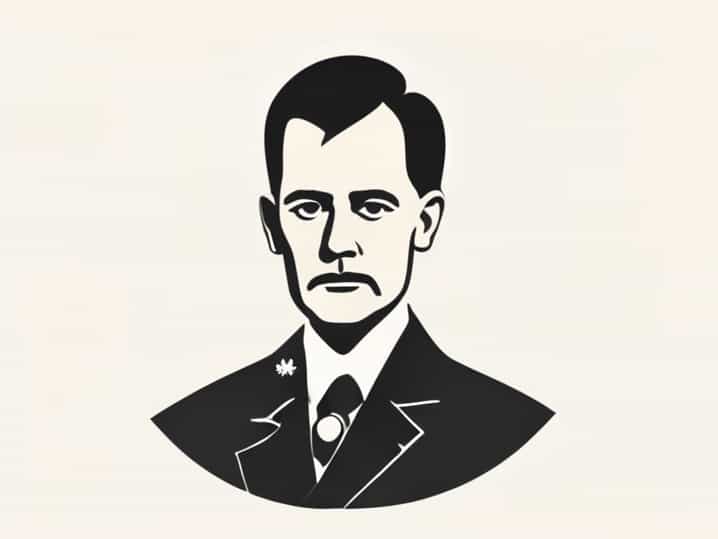
After Alexander DubÄek’s leadership ended in Czechoslovakia in the wake of the Sovietled invasion that crushed the Prague Spring in 1968, a new leader took control and guided the country through a period known as normalization. This era reversed many of the reforms DubÄek had introduced and reestablished tight communist control. Understanding who led Czechoslovakia after DubÄek, and what his rule meant for the country’s political and social life, offers insight into one of the most significant transitions in Eastern European history during the Cold War. The man who succeeded DubÄek became one of the most influential figures in Czechoslovakia in the decades that followed, shaping the nation’s response to the pressures of Soviet influence and internal resistance.
The End of DubÄek’s Leadership
Alexander DubÄek had risen to prominence in early 1968 as a reformist leader of the Communist Party of Czechoslovakia and became the party’s first secretary. His program of liberalizing political freedoms and loosening censorship became known as the Prague Spring, symbolizing hope for socialism with a human face. However, this movement alarmed Soviet leaders and other Warsaw Pact governments, who feared that liberal reforms could weaken communist control in Eastern Europe. In August 1968, troops from several Warsaw Pact nations invaded Czechoslovakia, effectively ending DubÄek’s reform efforts and forcing him to resign from his position by April 1969.
Gustáv Husák The Leader After DubÄek
After DubÄek was removed as first secretary, Gustáv Husák became the leader of Czechoslovakia and steered the country through the ensuing period of normalization. Husák was a Slovak communist politician who had initially supported some reform ideas but shifted his stance in favor of Soviet policies as the Prague Spring unfolded. With backing from Moscow, he succeeded DubÄek in April 1969 and became the first secretary of the Communist Party of Czechoslovakia. In 1971, the title of first secretary was changed to general secretary, and Husák continued as the head of the party.
Background of Gustáv Husák
Gustáv Husák was born in 1913 in what is now Slovakia. Before rising to national leadership, he had been involved in communist politics for many years and had faced imprisonment during Stalinist purges. After his release and rehabilitation into the Communist Party, he became increasingly prominent and eventually emerged as a figure who could enforce conformity with Soviet expectations after the Prague Spring. His leadership marked a dramatic shift away from DubÄek’s reformist policies toward political stability as defined by strict Soviet standards.
Husák’s Rule and Normalization
Under Husák, Czechoslovakia entered a period known as normalization, referring to the effort to reestablish orthodox communist rule and undo the political and social changes attempted during the Prague Spring. Censorship was reinstated, political dissent was suppressed, and loyal party officials replaced many of those who had supported reform. Husák’s administration sought to restore order and strengthen ties with the Soviet Union, emphasizing political loyalty over reform or independence.
Political and Social Impact of Husák’s Leadership
Husák’s leadership had a lasting impact on Czechoslovakia’s political and social landscape. The period of normalization meant tighter government control over cultural and intellectual life, with restrictions on free expression, political assembly, and independent civic activity. Many citizens became disillusioned by the loss of freedoms they had briefly tasted under DubÄek’s leadership. At the same time, the government emphasized economic stability and social order, allowing for modest improvements in living standards compared to some other Eastern Bloc countries.
Control and Repression
The government under Husák relied on the secret police and strict enforcement of party discipline to maintain control. Opponents of the regime, including writers, intellectuals, and activists, often faced harassment, censorship, or persecution. Dissent was effectively marginalized, and civic engagement outside of partyapproved channels was discouraged. These measures helped ensure that political life remained under centralized control but also fostered broader dissatisfaction among the populace.
Husák as President and Later Years
In addition to serving as general secretary, Gustáv Husák became president of Czechoslovakia in 1975, further consolidating his influence over both the party and the state. His presidency continued until 1989, when the Velvet Revolution-an almost entirely peaceful series of protests and political changes across Czechoslovakia-led to the collapse of the communist regime. By the end of that year, Husák resigned from his position as president and was replaced as the nation moved toward democratic reforms and a market oriented economy.
The Velvet Revolution
The Velvet Revolution in late 1989 was a turning point that ended four decades of communist rule in Czechoslovakia. Widespread public protests, led by dissidents and supported by various sectors of society, demanded political change, democratic freedoms, and an end to Soviet dominance. Husák’s resignation marked the end of the normalization era, and new leaders emerged to guide the country into a democratic future. One of the most prominent figures in this new era was Václav Havel, a playwright and dissident who became president after the fall of communism.
Key Figures During and After Husák
While Husák was the central authority after DubÄek, several other leaders also played important roles during the transition out of communist rule and the reform period that followed. These figures helped shape the final years of Czechoslovakia as a unified state before the peaceful split into the Czech Republic and Slovakia in 1993.
Václav Havel
Václav Havel was a leading dissident, playwright, and human rights activist who became one of the most significant figures in Czechoslovakia’s transition to democracy. After the Velvet Revolution, Havel was elected president and became an international symbol of peaceful resistance against authoritarianism. His presidency marked a shift from communist rule to democratic governance and opened the way for broader civil liberties and institutional reforms.
Other Political Leaders
During the final years of the communist era and the early democratic period, other political leaders also influenced the country’s evolution. For example, prime ministers and legislative figures helped implement reforms and navigate the complex political environment of the early 1990s. These leaders worked alongside Havel to guide Czechoslovakia through important changes before its eventual peaceful dissolution into two separate nations.
Legacy of Leadership After DubÄek
The leadership that followed DubÄek, particularly under Gustáv Husák, marked a dramatic shift in Czechoslovakia’s political direction. Husák’s tenure represented a return to orthodox communist rule after a brief burst of liberal reform. While his era provided stability and some economic predictability, it also suppressed political freedoms and curtailed the liberal aspirations of many citizens. The eventual end of his rule and the peaceful transition brought about by the Velvet Revolution reflected broader currents of change sweeping across Eastern Europe at the close of the Cold War.
After Alexander DubÄek was removed from power following the Soviet invasion in 1968, Gustáv Husák became the leader of Czechoslovakia and remained in control for two decades. Husák’s leadership ushered in an era of normalization that reversed DubÄek’s reforms and reinforced strict communist rule with strong ties to the Soviet Union. His influence dominated Czechoslovak political life until the Velvet Revolution of 1989, which ended communist rule and ushered in democratic reforms. Understanding who led Czechoslovakia after DubÄek and the legacy of their leadership offers insight into how the nation navigated between reform and repression during the Cold War era.