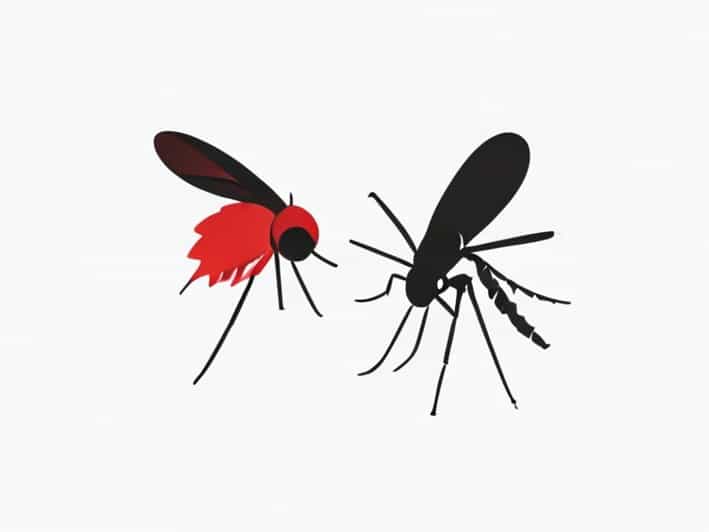
Many people get mosquito bites every year, but not every bite is dangerous. What worries most families in tropical and subtropical regions is the possibility of a dengue mosquito bite. Because dengue fever can lead to serious illness, people often wonder how to recognize the difference between a dengue bite and a normal mosquito bite. The truth is that both can look similar on the skin, but there are important clues, symptoms, and patterns that help you tell them apart. Knowing what to observe, how the body reacts, and when to seek medical help can make a real difference to health and safety.
Understanding Dengue Mosquitoes and Regular Mosquitoes
A dengue bite usually comes from the Aedes mosquito, especially Aedes aegypti and Aedes albopictus. These mosquitoes are typically active during the day, especially early morning and late afternoon. Regular mosquitoes that do not carry dengue may bite at night or anytime depending on their species. The main challenge is that the bite marks themselves often look very similar on the skin, but the risk and symptoms afterward can be quite different.
What a Normal Mosquito Bite Usually Looks Like
A regular mosquito bite is generally harmless for most people and usually causes mild irritation. Within minutes to hours, the bite may itch and slightly swell due to the body’s reaction to mosquito saliva. The swelling is usually soft, round, and itchy, and it tends to improve within a few days without serious symptoms.
Common Signs of a Normal Mosquito Bite
- Itchy red bump that appears soon after the bite
- Slight swelling around the bite area
- Mild discomfort or irritation
- Improvement within a few days
- No fever or flu-like symptoms
For most people, a normal mosquito bite is annoying but not dangerous. Sometimes people with sensitive skin may experience a stronger reaction, but it still usually goes away without major health issues.
What Makes a Dengue Mosquito Bite Different
One of the most important facts to understand is that a dengue mosquito bite does not immediately show unique marks. Physically, the bite on the skin may look almost the same as a normal mosquito bite. What truly distinguishes a dengue bite is what happens after the bite the body’s reaction and the appearance of dengue fever symptoms.
Timing of Dengue Symptoms After a Bite
Symptoms of dengue fever do not appear instantly. After a dengue mosquito bite, there is usually an incubation period of a few days. Many people start noticing symptoms between three to seven days after the bite. This delay often makes it hard to connect the illness to a specific mosquito bite.
Early Warning Signs After a Dengue Bite
If a mosquito bite leads to dengue fever, the symptoms are usually stronger and more systemic than a simple itchy mark. Dengue is a viral infection, so the whole body is affected, not just the bite area.
Common Symptoms Linked to Dengue Mosquito Bites
- Sudden high fever
- Severe headache, especially behind the eyes
- Intense muscle pain and joint pain
- Nausea, vomiting, and extreme fatigue
- Skin rash appearing after fever begins
- Loss of appetite
These symptoms develop as the virus multiplies in the body. Unlike a normal mosquito bite reaction, dengue symptoms can make a person feel extremely weak and uncomfortable.
Skin Reactions Dengue Bite vs Normal Bite
On the skin, a normal mosquito bite usually stays as a small bump. However, dengue infection may later cause skin changes beyond the bite mark. People sometimes develop a widespread rash, patches of redness, or tiny red spots caused by small bleeding under the skin.
Skin Features That May Suggest Dengue Infection
- Rash spreading across the body
- Red spots not limited to the bite area
- Skin sensitivity and discomfort
- Bruise-like marks in some cases
These changes do not appear immediately from the bite but develop as dengue fever progresses in the body. This is a key difference between a dengue mosquito bite and a normal mosquito bite, which usually stays localized and simple.
High-Risk Patterns to Recognize
Because the bite alone is not enough to determine dengue, paying attention to patterns helps. Where you live, your environment, and recent dengue outbreaks increase risk. If you live in or travel to areas with frequent dengue cases, any suspicious bite followed by fever should be taken seriously.
Risk Clues That Suggest a Dengue Bite
- Bite occurred in daylight hours
- Presence of striped black and white mosquitoes
- Multiple bites concentrated on legs, ankles, or arms
- Living near stagnant water, plants, or humid areas
- Recent community dengue outbreaks
These do not guarantee dengue, but they raise awareness and encourage careful monitoring.
When a Dengue Bite Becomes Dangerous
While many dengue cases are mild, some can become severe. If dengue symptoms worsen instead of improving, it may lead to warning signs such as severe abdominal pain, persistent vomiting, bleeding gums, nosebleeds, or difficulty breathing. These are serious concerns and require urgent medical attention.
How to React After Any Mosquito Bite
If you suspect a dengue mosquito bite, do not rely only on the appearance of the bite mark. The most important thing is to monitor your health. If high fever develops, especially with pain and fatigue, medical evaluation is important. Early diagnosis and proper care help reduce complications.
Prevention Protecting Yourself from Dengue Mosquito Bites
The best way to avoid the danger of dengue bites is prevention. Mosquito control, personal protection, and environmental cleanliness reduce risk significantly. Preventing bites is always easier than dealing with illness.
- Use mosquito repellent when outdoors
- Wear long clothing to limit skin exposure
- Keep living areas clean and dry
- Eliminate standing water where mosquitoes breed
- Use screens or protective nets if needed
Key Points to Remember
- A dengue mosquito bite often looks similar to a normal mosquito bite.
- The real difference appears in the symptoms that develop afterward.
- Dengue bites may lead to fever, headache, muscle pain, and rash after a few days.
- A normal mosquito bite usually causes only mild itching and swelling.
- Monitoring your health after a bite is essential in dengue-prone areas.
Recognizing the difference between a dengue mosquito bite and a normal mosquito bite is less about the mark on the skin and more about what happens afterward. Paying attention to fever, overall health changes, and risk factors gives the best clue. With awareness, prevention, and timely care, people can stay safer and reduce the fear surrounding mosquito bites and dengue infection.