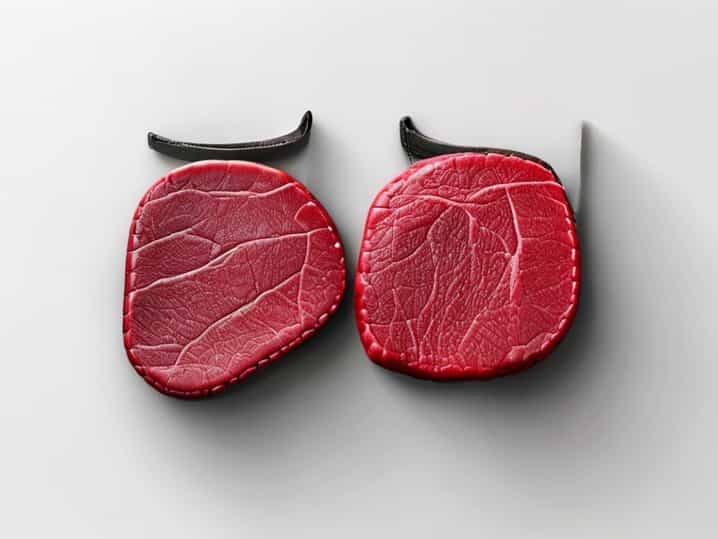
Leather and beef are often discussed together in economics because they are jointly produced through the same production process. When cattle are raised and slaughtered, multiple outputs emerge from a single input. Beef is produced for food consumption, while leather comes from the hide of the same animal. This relationship makes leather and beef a classic example used to explain joint production, opportunity cost, supply relationships, and pricing behavior. Understanding how leather and beef are jointly produced helps clarify how markets respond when demand changes for one product but not the other.
The Concept of Joint Production
Joint production occurs when a single production process results in two or more products at the same time. These products are called joint products because they cannot be produced independently in fixed proportions. In the case of cattle, once an animal is processed, both beef and hides are created simultaneously.
Leather and beef are jointly produced such that increasing the production of one automatically increases the supply of the other. Farmers and meat processors cannot raise cattle solely for beef without also producing hides, nor can they produce leather without producing beef. This inseparable relationship makes joint production an important concept in microeconomics.
Why Leather and Beef Are a Classic Economic Example
Leather and beef are widely used as an example in economic theory because they clearly illustrate how joint products behave in the market. The supply of both goods depends on the same underlying factor the number of cattle processed.
This example is particularly useful for explaining why prices do not always move in the way people expect. For instance, if demand for leather decreases but demand for beef remains strong, leather supply may still increase due to higher beef production.
Fixed Proportions in Production
One defining feature of joint products is fixed proportions. Each cow produces a relatively fixed amount of beef and one hide suitable for leather. Producers cannot change this ratio easily. This makes joint production different from by-products, where one output has much lower economic value.
Leather and beef are jointly produced such that neither can be ignored in the production decision, even though beef often has a higher market value.
The Production Process of Beef and Leather
The joint production of beef and leather begins at cattle farms. Farmers raise cattle primarily for meat, but hides are an unavoidable output. When cattle are slaughtered, the carcass is processed for beef, while the hide is removed and preserved for tanning.
The hide then goes through a separate industrial process to become leather. Although leather processing happens later, the hide itself exists only because beef production occurred.
Economic Implications of the Process
Because leather and beef come from the same animal, the cost of raising cattle is shared between both products. Economists refer to this as joint cost. Allocating joint costs between beef and leather can be complex and is often done based on market value.
This shared cost structure influences pricing decisions and profitability across both industries.
Supply Relationships in Joint Production
When leather and beef are jointly produced such that supply is linked, changes in demand for one product affect the availability of the other. This creates unique supply dynamics.
For example, if global demand for beef rises due to population growth or dietary changes, cattle production will increase. As a result, more hides will enter the leather market, even if demand for leather remains unchanged.
Excess Supply and Price Pressure
If leather demand is weak while beef demand is strong, the leather market may experience excess supply. This can push leather prices down, even though production costs remain the same.
Producers cannot simply reduce leather output without also reducing beef production, which may not be desirable if beef prices are high.
Demand Shifts and Market Outcomes
Demand plays a crucial role in determining how joint products are priced. Because leather and beef serve different markets, their demand conditions can change independently.
When leather demand increases, such as during periods of high demand for fashion goods or furniture, leather prices may rise. However, this does not necessarily lead to increased cattle production unless beef demand also supports it.
Beef as the Primary Driver
In most cases, beef is the primary product that drives production decisions. Farmers raise cattle mainly for meat, and leather is often considered a secondary output in terms of revenue.
This means that leather supply is often determined by conditions in the beef market rather than the leather market itself.
Joint Products Versus By-Products
It is important to distinguish joint products from by-products. Joint products have significant economic value and are produced together in meaningful proportions. By-products, on the other hand, have relatively minor value.
Leather and beef are jointly produced such that both contribute substantially to total revenue. Although beef usually generates more income, leather still represents an important source of value.
Pricing Challenges in Joint Production
Pricing joint products presents challenges because costs cannot be easily assigned to one output. The cost of raising and slaughtering cattle applies to both beef and leather.
Producers often rely on market conditions to determine prices rather than attempting precise cost allocation. This market-driven pricing reflects demand, competition, and global trade patterns.
Impact of Technological Change
Technological advances in meat processing or synthetic alternatives to leather can affect joint production outcomes. For example, increased use of artificial leather can reduce demand for natural leather, affecting its price.
However, as long as beef demand remains strong, leather will continue to be produced as a joint product.
Environmental and Ethical Considerations
The joint production of leather and beef also raises environmental and ethical questions. Cattle farming has environmental impacts, including land use and greenhouse gas emissions. Some argue that using hides for leather reduces waste and improves overall resource efficiency.
From this perspective, joint production can be seen as maximizing the value derived from each animal.
Global Trade and Joint Production
Leather and beef markets are global. Countries that are major beef producers often supply raw hides to international leather industries. Changes in trade policies, tariffs, or animal health regulations can affect both markets simultaneously.
Leather and beef are jointly produced such that disruptions in one market can have ripple effects across global supply chains.
Leather and beef are jointly produced such that their supply is inseparably linked through the cattle production process. This relationship provides a clear example of joint production in economics, illustrating how costs, supply, and pricing interact across different markets.
Understanding this concept helps explain why changes in demand for one product can influence the availability and price of another. By examining leather and beef together, economists and consumers alike gain insight into how interconnected production systems shape real-world markets.