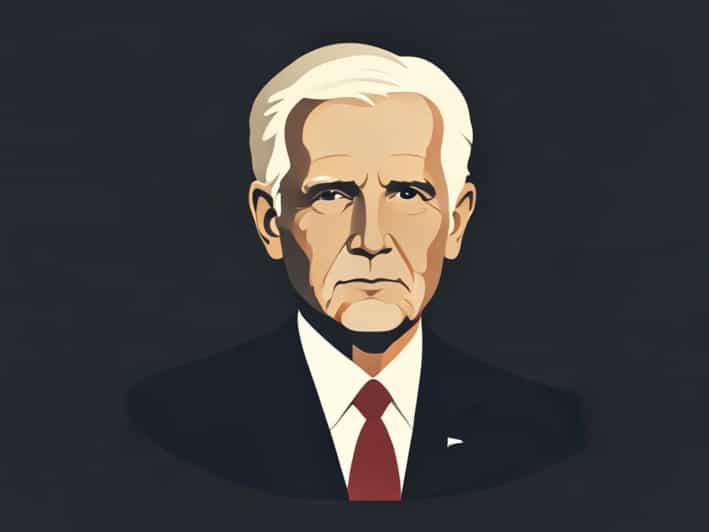
When Jimmy Carter ran for president in the mid-1970s, the United States was emerging from a period of deep political distrust, economic uncertainty, and social change. The Watergate scandal and the Vietnam War had shaken public confidence in government, and many Americans were looking for honesty, stability, and moral leadership. Jimmy Carter’s hopes to accomplish as president reflected this moment in history. He presented himself as an outsider who would restore integrity to the White House, reform government practices, and focus on both domestic renewal and responsible global leadership.
Restoring Trust and Honesty in Government
One of Jimmy Carter’s primary goals as president was to restore public trust in the federal government. He believed that Americans had become cynical about politics and leadership, and he wanted to change that perception.
Carter emphasized transparency, ethical behavior, and personal responsibility. He hoped to lead by example, showing that the president could be honest, approachable, and accountable. This goal shaped his campaign and influenced many of his early decisions in office.
Reforming the Federal Government
Jimmy Carter entered the presidency with strong ideas about government reform. He believed that the federal bureaucracy had become too complex and inefficient, making it difficult to serve citizens effectively.
Improving Efficiency and Accountability
Carter hoped to streamline government agencies, reduce unnecessary spending, and improve coordination between departments. He supported civil service reform to reward competence and performance rather than political connections.
His aim was not to reduce government’s role entirely, but to make it work better for ordinary Americans.
Reducing Waste and Duplication
Another part of Carter’s reform agenda involved cutting down on overlapping programs and administrative waste. He believed that taxpayers deserved a government that used resources wisely and responsibly.
Addressing Economic Challenges
The U.S. economy during Jimmy Carter’s presidency faced serious challenges, including inflation, unemployment, and rising energy costs. Carter hoped to stabilize the economy while promoting long-term growth.
Controlling Inflation
Inflation was one of the most pressing issues of the time. Carter hoped to reduce inflation through responsible fiscal policies, cooperation with the Federal Reserve, and encouraging energy conservation.
He understood that inflation affected everyday life, raising the cost of food, housing, and transportation.
Encouraging Economic Fairness
Carter also hoped to make the economy fairer. He supported policies that aimed to help low-income families, improve job training, and expand opportunities for disadvantaged communities.
Energy Independence and Conservation
Energy policy was a central focus of what Jimmy Carter hoped to accomplish as president. The energy crises of the 1970s highlighted America’s dependence on foreign oil and its vulnerability to global supply disruptions.
Reducing Dependence on Foreign Oil
Carter believed that energy independence was critical for national security. He hoped to reduce reliance on imported oil by promoting alternative energy sources and domestic production.
Promoting Conservation
Unlike many leaders before him, Carter emphasized energy conservation as a patriotic responsibility. He encouraged Americans to reduce energy use through efficiency and lifestyle changes, believing this would strengthen the nation over time.
Protecting Human Rights
Human rights played a major role in Jimmy Carter’s vision for American foreign policy. He believed that the United States should stand for moral principles, not just strategic interests.
Human Rights as a Foreign Policy Priority
Carter hoped to make human rights a central consideration in relationships with other countries. He spoke openly about political freedom, dignity, and the treatment of citizens by their governments.
This approach marked a shift from earlier policies that often prioritized anti-communism over human rights concerns.
Balancing Ideals and Diplomacy
While Carter wanted to promote human rights, he also recognized the need for diplomacy. His challenge was to balance moral leadership with practical international relations.
Pursuing Peace in the Middle East
One of Jimmy Carter’s most ambitious hopes as president was to advance peace in the Middle East. The region had long been marked by conflict, and Carter believed the United States could play a constructive role.
The Search for Lasting Peace
Carter hoped to bring long-standing rivals to the negotiating table and encourage dialogue instead of violence. He invested significant personal effort in diplomacy, believing that trust-building was essential.
Legacy of Diplomatic Engagement
His work in the Middle East reflected his broader belief that patient negotiation and moral commitment could produce meaningful results.
Strengthening Democracy at Home
Jimmy Carter hoped to strengthen democracy within the United States by encouraging citizen participation and respect for democratic institutions.
Encouraging Civic Responsibility
Carter believed democracy depended on active and informed citizens. He encouraged Americans to engage with public issues and take responsibility for the nation’s future.
Supporting Voting Rights and Equality
He also supported efforts to protect voting rights and ensure equal treatment under the law. These goals reflected his broader commitment to fairness and justice.
Environmental Protection and Conservation
Environmental issues were another important part of what Jimmy Carter hoped to accomplish as president. He believed that protecting natural resources was both a moral duty and a practical necessity.
Preserving Public Lands
Carter supported the protection of public lands and national parks. He believed future generations deserved access to clean air, water, and natural beauty.
Balancing Development and Sustainability
His environmental policies aimed to balance economic development with long-term sustainability, a concept that was gaining attention during his presidency.
Challenges That Shaped Carter’s Goals
Many of Carter’s hopes as president were shaped by the challenges he faced, including political opposition, global instability, and economic pressures.
- Economic inflation and unemployment
- International conflicts and tensions
- Resistance to reform within government
Despite these obstacles, Carter remained committed to his vision of ethical leadership.
How Carter Defined Presidential Leadership
Jimmy Carter hoped to redefine what it meant to be president. Rather than focusing on power or popularity, he emphasized service, honesty, and responsibility.
He believed that leadership required difficult decisions, moral clarity, and a willingness to speak uncomfortable truths.
Long-Term Impact of Carter’s Presidential Goals
While not all of Carter’s goals were fully achieved during his presidency, many of his ideas influenced future discussions about energy policy, human rights, and government ethics.
His approach helped expand the definition of presidential responsibility beyond short-term political success.
Final Reflections on Jimmy Carter’s Hopes as President
Jimmy Carter’s hopes to accomplish as president were deeply rooted in his personal values and the needs of a nation seeking renewal. He aimed to restore trust, promote peace, protect human rights, and encourage responsible citizenship.
Although his presidency faced significant challenges, Carter’s vision continues to shape how people think about leadership, integrity, and the role of moral purpose in public service.