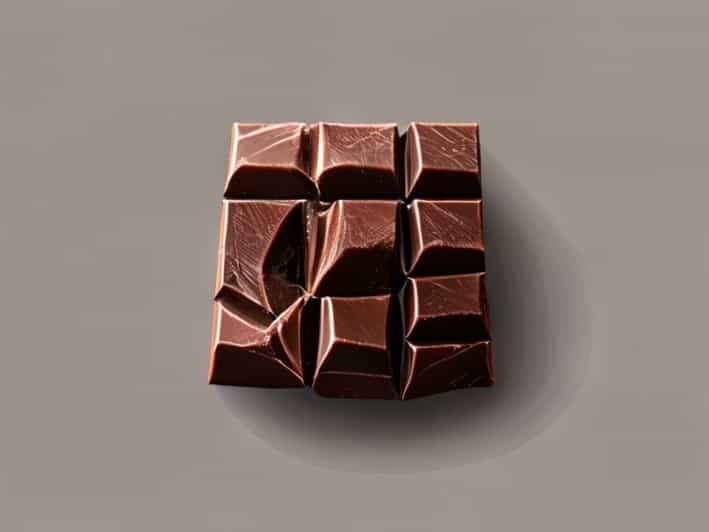
Unsweetened chocolate is a versatile ingredient in baking and cooking, but its intense bitterness can be too strong for many recipes. Turning unsweetened chocolate into semisweet chocolate allows you to enjoy the rich cocoa flavor while balancing the taste with a moderate amount of sweetness. This process is particularly useful when you need semisweet chocolate for cookies, brownies, or other desserts but only have unsweetened chocolate on hand. Understanding the proper ratios, techniques, and tips ensures that you can achieve a smooth, balanced chocolate suitable for a wide range of recipes.
Understanding Unsweetened and Semisweet Chocolate
Before transforming unsweetened chocolate into semisweet, it’s important to understand the difference between these two types of chocolate. Unsweetened chocolate is made from pure cocoa solids and cocoa butter with no added sugar. It has a strong, bitter flavor and is mainly used in baking where sugar is added separately. Semisweet chocolate, on the other hand, contains sugar along with cocoa solids and cocoa butter, giving it a balanced, moderately sweet flavor suitable for direct consumption or baking.
Why You Might Need to Convert
Converting unsweetened chocolate to semisweet is useful when
- You only have unsweetened chocolate on hand and a recipe calls for semisweet.
- You want to control the level of sweetness in your baked goods.
- You prefer a more customized flavor profile than store-bought semisweet chocolate provides.
Ingredients Needed
To turn unsweetened chocolate into semisweet, you need to combine it with a sweetener. Common options include granulated sugar, powdered sugar, or honey. Using powdered sugar can be easier because it dissolves more smoothly, reducing the risk of grainy texture. Additionally, adding a small amount of liquid, such as milk or cream, can help achieve the right consistency.
Essential Ingredients
- Unsweetened chocolate (bars or chips)
- Sugar (granulated or powdered)
- Optional small amount of milk, cream, or butter for smoother texture
- Vanilla extract (optional, for flavor enhancement)
Step-by-Step Method
Turning unsweetened chocolate into semisweet chocolate is a straightforward process if you follow the correct ratios and techniques. Attention to detail ensures that the chocolate melts smoothly and achieves a balanced sweetness.
Step 1 Chop the Chocolate
Start by chopping the unsweetened chocolate into small, even pieces. This helps it melt more evenly and prevents burning or scorching. Smaller pieces also mix more readily with the sugar.
Step 2 Measure and Add Sugar
The typical ratio for converting unsweetened chocolate to semisweet is approximately 1 cup of chopped unsweetened chocolate to 1 cup of sugar. Adjust slightly according to taste preference. If using granulated sugar, consider grinding it briefly in a food processor to ensure smooth incorporation.
Step 3 Melt the Chocolate
Melt the unsweetened chocolate using a double boiler or microwave
- Double Boiler MethodPlace a heatproof bowl over a pot of simmering water. Stir the chocolate constantly until melted.
- Microwave MethodHeat in short 15-20 second intervals, stirring between each session until fully melted.
Be careful not to overheat, as chocolate can seize and become grainy if exposed to excessive heat.
Step 4 Incorporate Sugar and Optional Ingredients
Once melted, gradually add the sugar while continuously stirring. If you want a smoother, creamier texture, add a small amount of milk or cream. A teaspoon or two is sufficient for every cup of chocolate. Optionally, add a few drops of vanilla extract to enhance flavor.
Step 5 Stir Until Smooth
Mix the melted chocolate and sugar thoroughly until completely smooth. Ensure there are no lumps of sugar remaining. This step is critical for achieving a consistent semisweet flavor and texture.
Step 6 Cool and Set
After mixing, allow the chocolate to cool slightly before using it in recipes. If you want to store it for later, pour it into molds or a container lined with parchment paper and let it solidify at room temperature or in the refrigerator.
Tips for Best Results
To ensure your homemade semisweet chocolate turns out well, consider the following tips
Use High-Quality Unsweetened Chocolate
The flavor of your semisweet chocolate will depend on the quality of the unsweetened chocolate. Choose chocolate with a high cocoa content and minimal additives.
Grind Sugar Finely
Powdered sugar or finely ground granulated sugar dissolves more easily, preventing graininess in the finished chocolate. If you only have coarse sugar, pulse it in a blender or food processor before adding it.
Control Temperature Carefully
Melting chocolate requires gentle heat. Avoid direct high heat, which can scorch the chocolate and cause separation. Stir constantly to maintain smooth texture.
Adjust Sweetness to Taste
Not all recipes require the same level of sweetness. Taste the mixture as you go, adding more sugar gradually until it reaches your desired semisweet flavor.
Store Properly
Homemade semisweet chocolate should be stored in an airtight container in a cool, dry place. Avoid moisture and heat, which can cause chocolate to bloom or become grainy.
Using Homemade Semisweet Chocolate in Recipes
Once you have converted unsweetened chocolate to semisweet, it can be used in a variety of recipes. From chocolate chip cookies and brownies to ganache and frosting, homemade semisweet chocolate adds rich flavor and controlled sweetness. Because you made it yourself, you can adjust sweetness levels for specific recipes or personal preference.
Baking Applications
- Chocolate chip cookies Use homemade semisweet chocolate chips for a custom sweetness level.
- Brownies Mix into melted butter for a rich, fudgy texture.
- Cakes and cupcakes Fold into batter or make chocolate frosting for a smoother taste.
Confectionery Applications
Homemade semisweet chocolate can also be used for making truffles, chocolate-dipped fruits, and other confections where balanced sweetness is important. Adjusting the ratio of sugar allows you to fine-tune flavor for different types of desserts.
Turning unsweetened chocolate into semisweet chocolate is a simple yet rewarding process that gives bakers and home cooks control over flavor and sweetness. By understanding the difference between unsweetened and semisweet chocolate, carefully measuring sugar, melting chocolate gently, and stirring until smooth, you can create high-quality semisweet chocolate suitable for a variety of recipes. Attention to detail, proper storage, and taste testing ensure that your homemade chocolate has the right texture and balanced sweetness. With this knowledge, you can confidently convert unsweetened chocolate and enjoy its versatility in baking and confectionery projects.