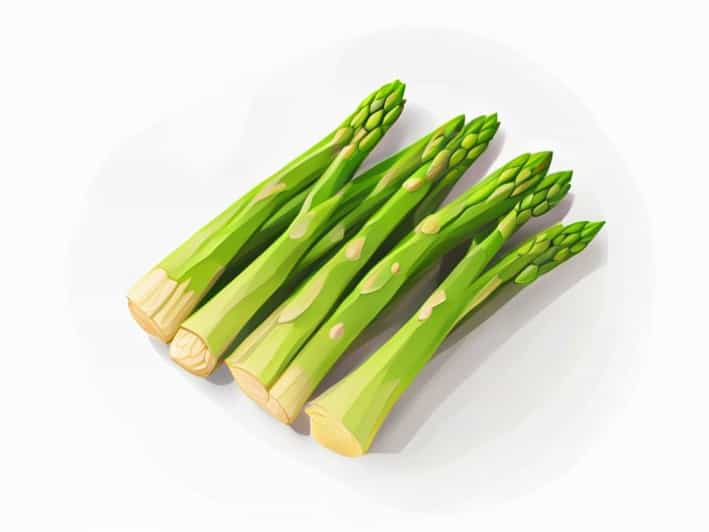
Asparagus is a versatile and nutritious vegetable that can be prepared in numerous ways, including steaming, roasting, grilling, or sautéing. One popular method is to blanch asparagus before sautéing, which helps preserve its vibrant green color, tenderize the stalks, and enhance its flavor. However, knowing exactly how long to blanch asparagus before moving it to the pan is crucial for achieving the perfect texture and taste. Blanching too little can leave the asparagus tough, while over-blanching can make it mushy and dull in color. This topic provides detailed guidance on blanching asparagus, tips for sautéing, and best practices to ensure your asparagus is cooked to perfection.
Why Blanch Asparagus Before Sautéing?
Blanching asparagus serves several purposes. It partially cooks the vegetable, making it easier to sauté quickly without overcooking. It also locks in color, preserves nutrients, and reduces cooking time. The brief exposure to boiling water followed by an ice bath stops enzyme activity, keeping the asparagus crisp and bright green. Additionally, blanching helps remove any dirt or sand trapped in the stalks, ensuring a cleaner final dish.
Benefits of Blanching
- Preserves vibrant green color and overall appearance.
- Enhances tenderness while maintaining a slight crispiness.
- Reduces total sautéing time, preventing overcooking.
- Improves nutrient retention compared to long cooking methods.
- Makes asparagus easier to season and incorporate into other dishes.
Preparing Asparagus for Blanching
Before blanching, proper preparation is key. Start by selecting fresh asparagus spears that are firm and bright green with closed tips. Thicker stalks may require slightly longer blanching, while thinner spears cook more quickly. Trim the woody ends of the stalks by snapping them off at the natural breaking point or cutting about one to two inches from the bottom. Rinse the asparagus thoroughly under cold running water to remove dirt and grit.
Optional Preparations
- Peeling the lower stalks of thicker asparagus to improve tenderness.
- Cutting the spears into uniform lengths for even cooking.
- Using a steamer basket if you prefer steaming before sautéing rather than boiling.
How Long to Blanch Asparagus
The exact blanching time depends on the thickness of the asparagus spears. Here are general guidelines
- Thin spears1 to 2 minutes in boiling water.
- Medium spears2 to 3 minutes.
- Thick spears3 to 4 minutes.
Blanching should be long enough to make the asparagus tender but still slightly firm. You can test doneness by piercing the stalk with a fork or tasting a piece. The asparagus should be crisp-tender, with a vibrant green color and a bright, fresh flavor.
Blanching Process Step by Step
- Bring a large pot of water to a rolling boil. Add a pinch of salt to enhance flavor and maintain color.
- Prepare a bowl of ice water large enough to hold the asparagus for an ice bath.
- Carefully add asparagus to the boiling water. Start timing immediately based on spear thickness.
- Stir occasionally to ensure even cooking and prevent spears from sticking together.
- Once the asparagus reaches the desired tenderness, quickly remove it from boiling water using tongs or a slotted spoon and immerse it in the ice water to stop cooking.
- Drain thoroughly before sautéing to prevent excess water from splattering in the pan.
Tips for Sautéing Blanched Asparagus
After blanching, sautéing is the next step to add flavor and texture. Here are tips to achieve the perfect sautéed asparagus
Choosing the Right Pan and Fat
- Use a large skillet or sauté pan to avoid overcrowding the asparagus, which can lead to steaming instead of sautéing.
- Choose a fat that complements the flavor olive oil for a light, Mediterranean touch, butter for richness, or a combination of both.
- Heat the pan over medium-high heat before adding the asparagus to ensure a quick sear.
Cooking Technique
- Add blanched asparagus to the hot pan and toss gently to coat in oil or butter.
- Season with salt, pepper, garlic, or lemon zest as desired for added flavor.
- Sauté for 2 to 4 minutes, depending on thickness, until the asparagus is heated through and lightly caramelized.
- Avoid overcooking to maintain crisp-tender texture and vibrant color.
Additional Flavor Enhancements
Enhancing blanched and sautéed asparagus is easy with simple additions
- Squeeze of fresh lemon juice for brightness.
- Grated Parmesan or crumbled feta for richness.
- Toasted nuts like almonds or pine nuts for crunch.
- Fresh herbs such as parsley, dill, or tarragon for an aromatic finish.
- Garlic or shallots sautéed briefly with the asparagus to intensify flavor.
Common Mistakes and How to Avoid Them
Even experienced cooks can make mistakes when blanching and sautéing asparagus. Here are some common pitfalls
- Blanching for too long, which results in mushy asparagus with dull color.
- Not using an ice bath after blanching, causing overcooking and loss of crispness.
- Overcrowding the pan during sautéing, leading to uneven cooking or steaming instead of browning.
- Skipping seasoning or cooking fat, which can make the asparagus bland.
- Using unevenly sized spears, which may cook at different rates.
Serving Suggestions
Sautéed asparagus can be served as a side dish with a variety of main courses, including grilled meats, fish, pasta, or vegetarian dishes. Its tender-crisp texture and bright flavor make it a versatile addition to meals. You can also incorporate sautéed asparagus into salads, grain bowls, or frittatas for added nutrition and flavor. Drizzle with balsamic glaze or a touch of olive oil for a finishing touch.
Blanching asparagus before sautéing is an essential technique that enhances color, texture, and flavor while reducing overall cooking time. Depending on the thickness of the spears, blanching typically takes 1 to 4 minutes. Using an ice bath immediately afterward preserves crispness and prevents overcooking. After blanching, sautéing with a small amount of fat, seasoning, and optional aromatics ensures a delicious, tender-crisp dish that complements a wide variety of meals. By following these steps and tips, home cooks can master perfectly cooked asparagus that is both visually appealing and flavorful, making it a standout component of any meal.