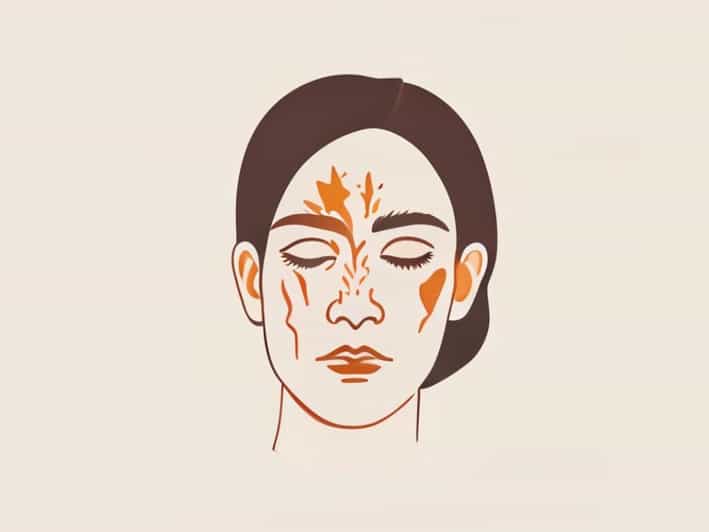
Seborrheic dermatitis on the face is a common skin condition that affects people of all ages. It often appears as red, flaky, or greasy patches around the nose, eyebrows, eyelids, ears, and hairline. While it is not dangerous, it can be uncomfortable, itchy, and frustrating to manage, especially when flare-ups keep returning. Many people search for the best treatment for seborrheic dermatitis on face because symptoms can affect confidence and daily comfort. Understanding the condition and available treatment options is the first step toward long-term control.
Understanding Seborrheic Dermatitis on the Face
Seborrheic dermatitis is a chronic inflammatory skin condition that tends to come and go. It is commonly linked to an overgrowth of a yeast called Malassezia, which naturally lives on the skin. In people prone to seborrheic dermatitis, the immune system reacts more strongly to this yeast, leading to inflammation and scaling.
Facial seborrheic dermatitis often develops in areas with a high concentration of oil-producing glands. Stress, cold weather, hormonal changes, fatigue, and certain medical conditions can trigger or worsen symptoms. Because it is a long-term condition, treatment focuses on control rather than a permanent cure.
Common Symptoms to Recognize
Identifying seborrheic dermatitis early helps prevent worsening symptoms. On the face, the condition may look different from person to person.
- Red or pink patches around the nose and mouth
- Flaky or scaly skin on eyebrows or eyelids
- Greasy or yellowish scales
- Mild to moderate itching or burning
- Skin that appears irritated but not usually painful
Symptoms often worsen during colder months or periods of stress.
Why Facial Treatment Requires Special Care
The skin on the face is thinner and more sensitive than skin on other parts of the body. This means treatments used for seborrheic dermatitis on the scalp or chest may be too harsh for facial use.
The best treatment for seborrheic dermatitis on face should reduce inflammation, control yeast growth, and protect the skin barrier without causing irritation. Gentle and consistent care is essential for success.
Antifungal Treatments for Facial Seborrheic Dermatitis
Because yeast overgrowth plays a key role, antifungal treatments are often the first line of defense. These treatments help reduce the presence of Malassezia and calm inflammation.
Topical Antifungal Creams
Antifungal creams containing ingredients such as ketoconazole or ciclopirox are commonly recommended. These are applied directly to affected areas, usually once or twice daily for a short period.
When used correctly, antifungal creams can significantly reduce redness, scaling, and itching. Many people notice improvement within one to two weeks.
Antifungal Face Washes
Gentle antifungal cleansers can be helpful for maintenance. These washes reduce yeast levels while cleansing excess oil. They should be used carefully, usually a few times per week, to avoid drying the skin.
Anti-Inflammatory Treatments
Inflammation is a major contributor to discomfort and redness. In some cases, controlling inflammation is just as important as treating yeast.
Low-Potency Topical Steroids
Short-term use of mild steroid creams may be prescribed to quickly reduce redness and itching during severe flare-ups. Because facial skin is sensitive, these treatments should be used sparingly and only under medical guidance.
Long-term or frequent steroid use on the face can cause thinning of the skin and other side effects, so they are not a long-term solution.
Non-Steroidal Anti-Inflammatory Creams
Some non-steroidal options help reduce inflammation without the risks associated with steroids. These treatments are often preferred for long-term management of facial seborrheic dermatitis.
Moisturizing and Skin Barrier Support
Keeping the skin properly moisturized is an important part of the best treatment for seborrheic dermatitis on face. Dry or damaged skin can worsen irritation and make flare-ups more frequent.
Lightweight, non-greasy moisturizers help restore the skin barrier without clogging pores. Products designed for sensitive skin are usually better tolerated.
Choosing the Right Moisturizer
Look for moisturizers that are fragrance-free and formulated for reactive skin. Ingredients that support the skin barrier can help reduce sensitivity and improve comfort.
Moisturizer should be applied after cleansing and treatment products to lock in hydration.
Gentle Daily Skin Care Routine
A consistent daily routine can make a significant difference in managing facial seborrheic dermatitis. Overwashing or using harsh products often makes symptoms worse.
- Cleanse gently once or twice daily
- Avoid scrubs and exfoliants during flare-ups
- Use lukewarm water instead of hot water
- Pat skin dry rather than rubbing
Keeping the routine simple helps minimize irritation.
Lifestyle Factors That Affect Seborrheic Dermatitis
Although skincare plays a major role, lifestyle factors also influence seborrheic dermatitis severity. Managing these factors can improve treatment results.
Stress management is particularly important, as stress is a common trigger. Adequate sleep, regular exercise, and relaxation techniques may help reduce flare-ups.
Diet and Seborrheic Dermatitis
While no specific diet cures seborrheic dermatitis, some people notice improvements when they eat a balanced diet rich in nutrients. Limiting excessive sugar and processed foods may help reduce inflammation.
Staying hydrated supports overall skin health and may reduce dryness and irritation.
Seasonal Management Strategies
Symptoms often worsen during cold, dry weather. During these times, increasing moisture and using treatment products more consistently may be necessary.
In warmer months, controlling excess oil and sweat becomes more important. Adjusting skincare routines based on seasonal changes helps maintain better control.
When to See a Healthcare Professional
If facial seborrheic dermatitis does not improve with over-the-counter treatments, or if symptoms worsen, professional evaluation is important. A healthcare provider can confirm the diagnosis and recommend stronger or prescription treatments.
Persistent redness, thick scaling, or involvement of the eyes should not be ignored.
Long-Term Management and Expectations
Seborrheic dermatitis is a chronic condition, which means flare-ups may return even with proper treatment. The goal is not perfection, but control and comfort.
With the right combination of antifungal treatment, gentle skincare, moisturizing, and lifestyle adjustments, most people can keep facial seborrheic dermatitis under control for long periods.
The best treatment for seborrheic dermatitis on face involves a balanced approach that targets yeast, reduces inflammation, and protects the skin barrier. Gentle antifungal treatments, proper moisturizing, and a simple skincare routine form the foundation of effective management.
By understanding triggers, adjusting daily habits, and using appropriate treatments consistently, facial seborrheic dermatitis can become a manageable condition rather than a constant source of discomfort. With patience and proper care, clearer and calmer skin is an achievable goal.