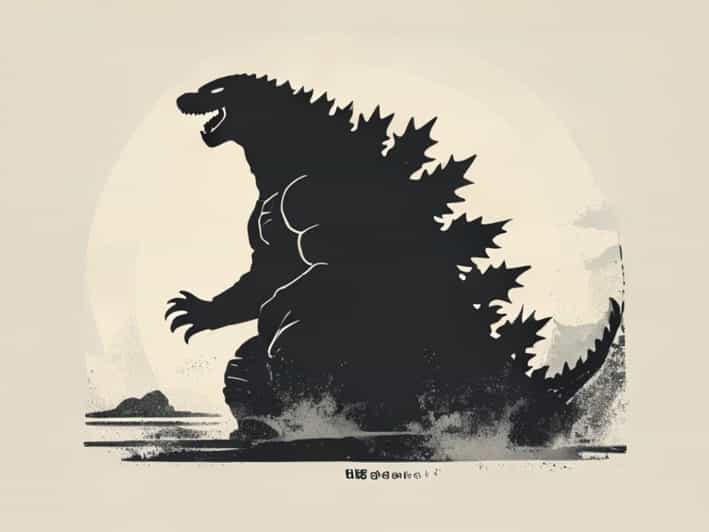
The phrase Bengtie I am Godzilla rampant and domineering sounds unusual, dramatic, and filled with symbolic energy. At first glance, it feels like a bold declaration of power, identity, and emotional intensity. Rather than being a literal statement, it can be understood as a metaphorical expression rooted in pop culture imagery, personal assertion, and exaggerated self-awareness. Such a phrase invites readers to explore themes of dominance, chaos, confidence, and transformation, all wrapped in a larger-than-life reference that resonates with modern storytelling and internet culture.
Breaking Down the Phrase
To understand the meaning, it helps to look at each element separately. Bengtie can be interpreted as a personal name or identity marker. I am Godzilla draws from one of the most iconic monsters in global cinema. Rampant and domineering reinforces ideas of uncontrolled force and overwhelming presence.
Together, the phrase reads like a self-description that exaggerates power to make a point. It is less about destruction and more about emotional or psychological dominance.
The Symbolism of Godzilla
Godzilla has long symbolized unstoppable power, fear, and consequence. Originating in Japanese cinema, the character represents both destruction and resilience.
When someone compares themselves to Godzilla, it often suggests a feeling of being overwhelming, misunderstood, or reacting strongly to external pressures.
Godzilla as a Cultural Icon
Over decades, Godzilla has evolved from a symbol of catastrophe to a complex figure that can represent justice, balance, or raw survival instinct.
Using Godzilla imagery instantly communicates intensity without needing long explanations.
Rampant and Domineering as Emotional States
The words rampant and domineering describe behavior that is forceful and difficult to contain.
In a metaphorical sense, these words can reflect moments when emotions, ambition, or confidence feel uncontrollable.
Not Always Negative Traits
While domineering behavior is often viewed negatively, in certain contexts it can reflect leadership, decisiveness, or self-assurance.
Rampant energy may also symbolize creativity or passion breaking free from restraint.
Identity and Self-Expression
The phrase can be read as a form of exaggerated self-expression. It may reflect someone asserting their presence in a space where they feel ignored or underestimated.
In modern communication, especially online, dramatic language is often used to stand out.
The Role of Humor and Irony
Such statements are frequently tongue-in-cheek.
By invoking an extreme image like Godzilla, the speaker may be using humor to soften or exaggerate their emotions.
Internet Culture and Exaggerated Language
Online spaces thrive on hyperbole. Phrases that sound extreme are often meant to entertain rather than intimidate.
I am Godzilla fits into a broader trend of meme culture and performative language.
Why Extreme Metaphors Spread
They are memorable, emotionally charged, and easy to share.
Such language allows people to express complex feelings quickly.
Psychological Interpretation
On a deeper level, identifying with a powerful creature may reflect a desire for control.
It can emerge during times of stress, competition, or personal transformation.
Power as a Coping Mechanism
Imagining oneself as unstoppable can help counter feelings of vulnerability.
It offers a temporary sense of strength and confidence.
Creative Writing and Performance
The phrase also works as a piece of creative expression.
It could be part of a poem, performance art, or fictional dialogue.
Using Monster Imagery in Art
Writers and artists often use monsters to explore human emotions.
Godzilla represents fear, anger, and survival on a massive scale.
Dominance in Narrative Context
In storytelling, a domineering character often drives the plot.
They force change, create conflict, and challenge others.
Balance Between Power and Responsibility
Many stories involving powerful figures explore the cost of dominance.
Unchecked power often leads to isolation or destruction.
Social Interpretation
When used socially, the phrase may signal confidence or playful arrogance.
It can be a way to claim space in conversations or communities.
Confidence Versus Aggression
There is a fine line between assertiveness and intimidation.
Understanding intent is key to interpreting such statements.
Why People Gravitate Toward Monster Metaphors
Monsters are larger than life, free from ordinary rules.
They allow people to explore emotions without personal exposure.
- They symbolize suppressed emotions
- They represent power without apology
- They create distance from vulnerability
- They allow dramatic storytelling
From Chaos to Self-Awareness
While rampant and domineering suggests chaos, awareness of these traits can lead to growth.
Recognizing intense emotions is the first step toward managing them.
Channeling Power Constructively
Energy that feels overwhelming can be redirected into creativity, leadership, or problem-solving.
Strength becomes most effective when guided by intention.
Modern Identity and Personal Branding
In the age of social media, exaggerated self-descriptions function as branding.
They help define tone and personality quickly.
Standing Out in a Crowded Space
A dramatic phrase captures attention.
It signals boldness and individuality.
Misinterpretations and Context
Without context, such statements may seem aggressive.
Understanding tone, platform, and audience is essential.
Reflection on Power and Humanity
At its core, the phrase reflects a human fascination with power.
It shows how people negotiate strength and vulnerability.
Bengtie I am Godzilla rampant and domineering is a striking expression that blends pop culture, emotion, and self-assertion. Far from being a literal claim, it operates as a metaphor for intensity, confidence, and personal presence. Whether used humorously, creatively, or psychologically, the phrase highlights how exaggerated imagery helps people communicate complex feelings in a simple way. By examining its symbolism, cultural roots, and emotional undertones, we can see it as a reflection of modern identity expression rather than mere bravado. In embracing such language thoughtfully, power becomes not just something to display, but something to understand and direct.