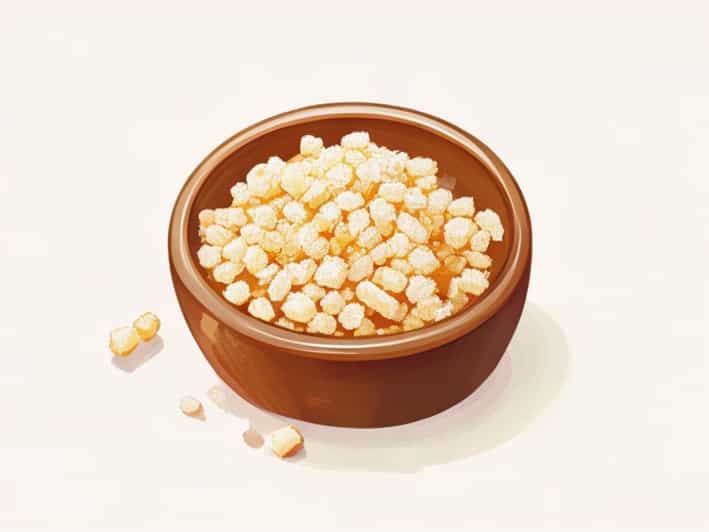
In modern nutrition and food science, sugar substitutes have become increasingly popular as people look for ways to reduce sugar intake while still enjoying sweet flavors. One type of sugar substitute that has gained attention is derived from starchy vegetables. Unlike traditional sugar, which comes from sugarcane or sugar beets, these alternatives are extracted from plants such as corn, cassava, and sweet potatoes. They offer a natural source of sweetness and can often be used in cooking and baking with similar results to regular sugar.
Understanding Starchy Vegetable-Derived Sugar Substitutes
Sugar substitutes derived from starchy vegetables are created by processing the starch in the vegetable into simple sugars that can mimic the sweetness of regular sugar. This process typically involves breaking down complex carbohydrates through enzymatic or chemical reactions to produce sweet-tasting molecules like glucose, maltose, or maltodextrins. The most common examples include high-fructose corn syrup (HFCS), maltodextrin, and other glucose syrups that originate from corn starch.
These sugar substitutes are versatile and can be used in beverages, baked goods, sauces, and processed foods, making them a popular choice in the food industry.
Common Starchy Vegetables Used for Sugar Substitutes
The term starchy vegetable refers to vegetables that are high in complex carbohydrates, which can be converted into sugars. The most common vegetables used for sugar substitute production include
Corn
Corn is the primary source of high-fructose corn syrup, one of the most widely used sugar substitutes globally. Corn starch is extracted and then processed to convert some of the glucose into fructose, producing a sweet syrup that is cheaper than cane sugar and highly soluble in liquids.
Cassava
Cassava, also known as manioc or yuca, is rich in starch and is often used to produce glucose syrups or maltodextrins. Cassava-derived sugar substitutes are common in tropical regions and can be found in both industrial and home cooking products.
Sweet Potatoes
Sweet potatoes are another starchy vegetable that can be processed into natural sweeteners. Their high carbohydrate content allows for extraction and conversion into glucose or syrup forms, providing an alternative for people seeking plant-based sugars that are less processed than corn syrup.
Processing Methods for Starchy Vegetable Sugar Substitutes
The production of sugar substitutes from starchy vegetables involves several key steps
- Extraction of StarchThe first step is to separate starch from the vegetable. This often involves grinding the vegetable and using water to extract the starch ptopics.
- Enzymatic ConversionEnzymes such as amylase break down the long starch chains into simpler sugars, creating glucose or maltose.
- PurificationThe resulting sugar solution is filtered and purified to remove impurities, ensuring a clean taste and high solubility.
- ConcentrationThe sugar solution is often concentrated into syrups or powders that can be easily stored and used in various applications.
Benefits of Starchy Vegetable-Derived Sugar Substitutes
These sugar substitutes offer several advantages compared to traditional sugar
- Natural SourceDerived from plants, they can be perceived as more natural than synthetic sweeteners like aspartame or sucralose.
- Lower CostMany starchy vegetable-derived sugars are cheaper to produce, especially in regions where these vegetables are abundant.
- Functional PropertiesThese sugars often provide more than sweetness, including moisture retention, texture improvement, and browning effects in baking.
- VersatilityThey can be used in beverages, desserts, sauces, and even industrial food products without significantly altering taste.
Potential Health Considerations
While sugar substitutes from starchy vegetables can be useful for reducing sucrose consumption, they come with certain considerations
- Caloric ContentThese substitutes still provide calories, so overconsumption can contribute to weight gain similar to regular sugar.
- Blood Sugar ImpactGlucose syrups and maltodextrins can cause rapid spikes in blood sugar, which may not be suitable for diabetics.
- Processing LevelWhile derived from vegetables, some products like high-fructose corn syrup are highly processed and may have less nutritional value than whole foods.
Understanding the type and processing level of the sugar substitute is important for making informed dietary choices.
Applications in Cooking and Baking
Starchy vegetable-derived sugar substitutes are widely used in cooking and baking due to their sweetness and functional properties
- BeveragesThey dissolve easily in liquids, making them ideal for soft drinks, juices, and flavored syrups.
- Baked GoodsThey contribute to browning, moisture retention, and texture in cakes, cookies, and bread.
- Processed FoodsCommonly added to sauces, dressings, jams, and snack foods for sweetness and stability.
- Industrial UsesUsed in large-scale food production where consistency and cost-effectiveness are important.
Choosing the Right Sugar Substitute
When selecting a sugar substitute from starchy vegetables, it’s important to consider the intended use and health goals. For example, glucose syrup may be suitable for baking where browning and moisture are desired, while maltodextrin can be used as a thickening agent and mild sweetener in beverages. Reading labels and understanding the composition of the product helps ensure that it meets both culinary and dietary needs.
Environmental and Economic Impacts
Producing sugar substitutes from starchy vegetables can also have environmental and economic implications. Corn and cassava are widely cultivated crops, which can make these sweeteners more sustainable compared to imported cane sugar in certain regions. Local production supports agricultural economies and reduces transportation-related emissions. However, industrial processing of these starches still requires energy and water, so sustainability depends on efficient manufacturing practices.
Sugar substitutes derived from starchy vegetables provide a versatile and often cost-effective alternative to traditional sugar. With sources like corn, cassava, and sweet potatoes, these substitutes can mimic sweetness while also contributing to texture, moisture, and stability in various foods. While they are naturally derived, consumers should be aware of caloric content, blood sugar impact, and processing levels. By understanding the benefits and limitations, individuals can make informed decisions about incorporating these sugar substitutes into their diet and cooking practices. As the demand for healthier and plant-based alternatives continues to grow, starchy vegetable-derived sweeteners are likely to remain an important option in the food industry and home kitchens.