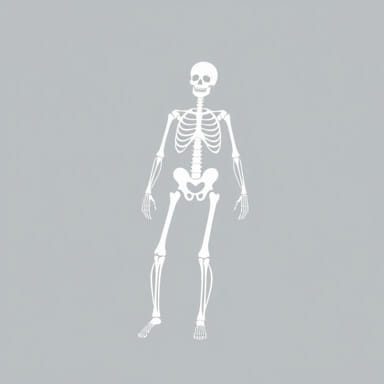
Abduction is a fundamental term in anatomy that describes a specific type of movement in the human body. It is commonly used in both medical and educational contexts to describe how limbs and other body parts move relative to the central axis of the body. Understanding abduction helps in identifying normal and abnormal joint function, guiding physical therapy, performing fitness training, and even describing certain medical conditions. Whether it’s the movement of an arm, leg, finger, or even the eye, abduction plays an essential role in human motion and anatomy.
Definition of Abduction in Anatomy
What Is Abduction?
In anatomical terms,abductionis the movement of a body part away from the midline of the body or the midline of a particular body part. This action generally occurs in the frontal plane, which divides the body into front and back halves. The opposite of abduction isadduction, which refers to movement toward the midline.
For example:
- Lifting your arm out to the side, away from your torso, is shoulder abduction.
- Spreading your fingers apart is abduction of the fingers, as they move away from the midline of the hand.
- Moving the leg sideways, away from the body’s midline, is hip abduction.
Anatomical Planes and Movement
To better understand abduction, it’s important to understand anatomical planes. Movements such as abduction and adduction occur primarily in the frontal (coronal) plane. This knowledge helps doctors and therapists understand range of motion and joint function.
Examples of Abduction in the Human Body
Shoulder Abduction
Shoulder abduction involves moving the arm laterally away from the body, such as when raising the arm to the side. Muscles responsible for this movement include:
- Deltoid muscle (middle fibers): Main abductor of the shoulder.
- Supraspinatus: Starts the abduction movement and is part of the rotator cuff.
Hip Abduction
Hip abduction refers to moving the leg out to the side, away from the midline of the body. This movement is essential in walking, running, and maintaining balance. Muscles involved in hip abduction include:
- Gluteus medius
- Gluteus minimus
- Tensor fasciae latae
Finger Abduction
Finger abduction is the movement of fingers away from the central axis of the hand (typically the middle finger). For example, when you spread your fingers apart, that is abduction. The dorsal interossei muscles are mainly responsible for this movement.
Toe Abduction
Just like fingers, toes can also perform abduction. This is when the toes move away from the midline of the foot, and is most visible when the toes are spread apart.
Eye Abduction
Eye abduction occurs when the eyeball moves laterally, away from the nose. This movement is controlled by the lateral rectus muscle and is important for binocular vision and eye coordination.
Muscles Involved in Abduction
Upper Body Abductors
Several muscles in the upper body help perform abduction movements. These include:
- Deltoid (middle fibers): Essential for arm abduction at the shoulder.
- Supraspinatus: Initiates arm abduction, especially in the first 15 degrees.
- Dorsal interossei: Responsible for finger abduction.
- Lateral rectus (eye): Moves the eye away from the midline.
Lower Body Abductors
Muscles in the lower body that are responsible for abduction include:
- Gluteus medius and minimus: Key muscles in hip abduction and pelvic stabilization.
- Tensor fasciae latae: Assists in hip abduction and internal rotation.
- Abductor hallucis: Abducts the big toe away from the midline of the foot.
Importance of Abduction Movements
Function in Daily Activities
Abduction plays a critical role in many everyday tasks. Lifting your arms to dress, stepping sideways, holding objects, and gesturing with your hands all require abduction movements. Without proper abduction, basic functional mobility becomes difficult.
Role in Exercise and Sports
In fitness and athletics, abduction movements are frequently used and trained. Lateral leg raises, resistance band walks, and side-lying arm lifts are all exercises that target abduction. These movements help develop strength, balance, and injury prevention.
Rehabilitation and Therapy
After injuries or surgeries, especially involving joints like the shoulder or hip, regaining abduction is a primary focus in physical therapy. Therapists use controlled abduction exercises to improve range of motion, rebuild strength, and enhance mobility.
Common Conditions Affecting Abduction
Shoulder Impingement Syndrome
Shoulder impingement can limit abduction due to pain or inflammation in the rotator cuff muscles. Individuals may have difficulty lifting their arm to the side, and rehabilitation focuses on restoring pain-free abduction.
Hip Abductor Weakness
Weak hip abductors can lead to gait abnormalities such as a Trendelenburg gait, where the pelvis drops on the opposite side during walking. This weakness can cause instability and pain in the hips or knees.
Nerve Damage
Injuries to certain nerves, such as the axillary nerve or superior gluteal nerve, can impair abduction. Nerve compression, trauma, or neurological diseases may result in weakness or inability to move a limb away from the body.
Exercises to Improve Abduction Strength
Shoulder Abduction Exercises
- Standing lateral raises with dumbbells
- Side-lying dumbbell lifts
- Resistance band shoulder abductions
Hip Abduction Exercises
- Side-lying leg raises
- Clamshells with resistance bands
- Lateral band walks
Finger and Toe Abduction Drills
- Finger spreading exercises using rubber bands
- Toe splay exercises on a yoga mat
The definition of abduction in anatomy goes far beyond a simple motion. It is a vital component of how our body moves, stabilizes, and functions in everyday life. From lifting an arm to walking and even seeing, abduction plays a central role in a variety of physical actions. Understanding which muscles control abduction, the joints involved, and how this movement supports overall mobility is essential for anyone interested in health, fitness, rehabilitation, or anatomy. Learning about abduction provides a foundation for recognizing normal and abnormal movement and guides effective strategies for maintaining and restoring function.