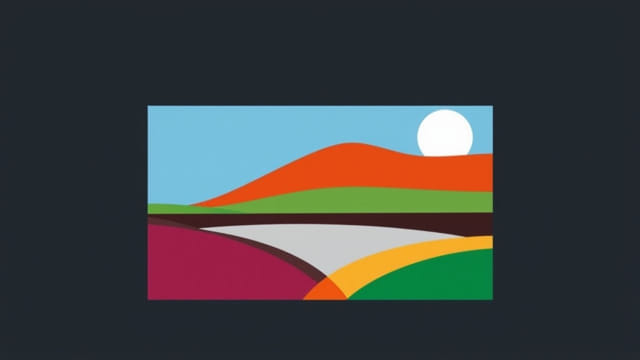
David Hockney is one of the most influential British artists of the 20th and 21st centuries. Known for his vibrant use of color, innovative techniques, and unique perspectives, Hockney has left an undeniable mark on the modern art world. His works span across various media, including painting, drawing, photography, and digital art. Through decades of artistic experimentation, Hockney has continued to challenge traditional norms, capturing landscapes, portraits, and personal moments with remarkable clarity and emotion. Exploring David Hockney’s art offers a journey into the evolution of modern aesthetics and visual storytelling.
Early Works and Artistic Influences
Beginnings at the Royal College of Art
David Hockney began his formal art education at the Bradford School of Art and later studied at the Royal College of Art in London. During this time, he was heavily influenced by modernism, expressionism, and abstract art. Artists like Pablo Picasso, Francis Bacon, and Henri Matisse helped shape his vision. Hockney’s early pieces often focused on themes of identity, sexuality, and personal introspection.
Expression through Line and Form
Many of Hockney’s early paintings demonstrate his fascination with line drawing and the human figure. These pieces, often created in muted tones, feature abstract representations that explore emotional complexity. One of his well-known early works, We Two Boys Together Clinging (1961), highlights his boldness in addressing homosexual love at a time when it was socially controversial.
California and the Pool Series
Move to the United States
In the 1960s, Hockney moved to Los Angeles, where his style evolved significantly. Captivated by the light, architecture, and lifestyle of California, he began experimenting with acrylic paints to reflect the bright and flat color palette of the region. This period gave rise to some of his most iconic works.
Swimming Pools and Suburbia
- A Bigger Splash (1967): Perhaps Hockney’s most famous work, this painting captures a moment of water disruption in a suburban pool. It reflects Hockney’s interest in movement and stillness, using clean lines and flat color fields to create a dreamlike atmosphere.
- Peter Getting Out of Nick’s Pool (1966): A more intimate piece, this painting depicts a personal moment with careful attention to light, reflection, and body form. It also represents Hockney’s fascination with male beauty and sensuality.
The swimming pool series reflects themes of isolation, leisure, and beauty within structured environments. These works helped solidify Hockney’s place as a central figure in the Pop Art movement.
Portraiture and Emotional Depth
Exploring Relationships Through Art
Hockney’s portraits are deeply personal and often depict friends, family members, and lovers. Unlike conventional portraits, his works often emphasize mood, emotion, and interpersonal dynamics rather than realistic likeness.
Notable Portrait Works
- Mr and Mrs Clark and Percy (1970-71): This double portrait of fashion designer Ossie Clark and textile designer Celia Birtwell is filled with subtle tension and layered meaning. It has become one of Hockney’s most celebrated paintings, housed in Tate Britain.
- My Parents (1977): A tender depiction of Hockney’s aging parents in their home, the painting captures generational contrasts and quiet intimacy. The carefully arranged composition reflects Hockney’s attention to narrative within domestic settings.
Hockney’s ability to convey psychological depth and human connection through posture, gaze, and environment is a hallmark of his portraiture.
Innovations in Photography and Collage
Photo Joiners and Visual Experiments
In the 1980s, David Hockney turned his attention to photography. Rather than using single-frame photos, he began experimenting with what he called joiners composite images made from dozens or even hundreds of Polaroid or photographic prints. These works challenge conventional perspective and linear time.
Examples of Photographic Work
- Pearblossom Hwy., 1118 April 1986: A photographic collage of a roadside in California, combining multiple views into one complex image. It reflects Hockney’s rejection of the single-point perspective.
- Mother, Bradford, 1982: A moving collage showing his mother in her home, captured from various angles. This work highlights how fragmented views can create a more complete emotional and spatial reality.
These photographic experiments allowed Hockney to explore perception in new ways and contributed to discussions on how humans experience space and memory.
Later Works and Digital Art
iPad Drawings and New Technologies
In the 21st century, Hockney embraced digital technology as a new artistic tool. He began creating art on iPhones and iPads, exploring how digital devices could capture spontaneity and light. His digital landscapes and still lifes retain the same visual energy and curiosity seen throughout his career.
Exhibitions and Recognition
- A Bigger Picture Exhibition (2012): Held at the Royal Academy of Arts in London, this show focused on his Yorkshire landscapes, many created using iPads. It reaffirmed Hockney’s ability to blend tradition with innovation.
- The Arrival of Spring Series: This series includes digital and traditional media, showing trees and flowers as they transform through the seasons. It exemplifies Hockney’s lifelong interest in capturing fleeting moments in nature.
By using digital tools, Hockney once again redefined what modern art can be, merging technology with painterly intuition.
Legacy and Influence
A Lifelong Commitment to Creativity
David Hockney’s career spans over six decades, marked by continual reinvention. His openness to experimentation and refusal to be confined by genre or medium have made him a model for contemporary artists. He has remained an advocate for observational art and often speaks about the importance of seeing and drawing from life.
Impact on Modern Art
- Helped redefine portraiture in the 20th century
- Advanced use of color and light in landscape painting
- Pioneered collage and photographic narratives
- Led the way in incorporating digital tools into fine art
Hockney’s work continues to be exhibited in major galleries worldwide, and his art is studied in both academic and popular contexts. His bold creativity has opened doors for future generations of artists exploring new media and personal expression.
David Hockney’s masterpieces represent more than just aesthetic achievement they reflect a deep exploration of humanity, perception, and innovation. From early portraits and poolside snapshots to dynamic digital landscapes, Hockney’s art invites viewers to see the world through a vivid and compassionate lens. His impact on modern art is profound, and his commitment to creativity ensures that his legacy will remain vibrant for generations to come.