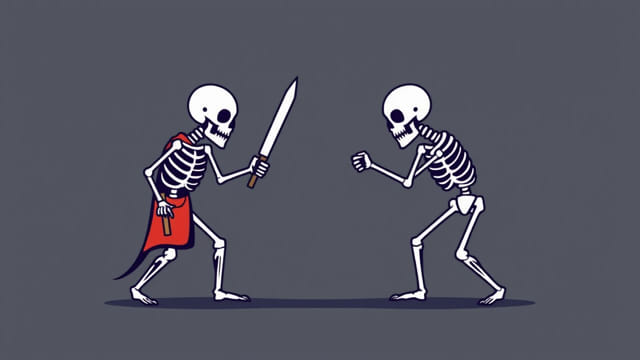
In many fantasy and strategy games, the concept of defeating multiple enemies with minimal resources is a highly valued skill. One particularly intriguing tactic is the idea of killing two scourge with one skeleton, a phrase that captures both the creativity and efficiency players strive for. This strategy revolves around using a single summoned or controlled skeleton to take down two dangerous enemies, often referred to as scourge, simultaneously or in quick succession. Mastering this approach not only saves resources but also adds a layer of tactical depth to gameplay.
Understanding the Scourge and Skeleton Mechanics
What Are Scourge?
In many games, scourge often refers to powerful, cursed, or corrupted enemies that pose significant threats to players. These enemies can vary from undead warlords to demonic beasts, but they typically share traits like high damage output, durability, or special abilities that make them formidable opponents. Facing multiple scourge at once can be a daunting challenge, requiring clever tactics to survive and succeed.
The Role of Skeletons in Combat
Skeletons are common summoned units or controllable minions in many fantasy games, particularly in RPGs and strategy titles. They are usually expendable but useful for distraction, absorbing damage, or delivering swift attacks. Skeletons can be summoned by necromancers, warlocks, or other characters with dark magic abilities. Their usefulness increases greatly when players learn to leverage their positioning and attack patterns effectively.
Why Kill Two Scourge with One Skeleton?
Efficiency in Combat
The core reason behind trying to kill two scourge with a single skeleton lies in efficiency. In combat situations where resources such as mana, summons, or time are limited, using one unit to dispatch multiple enemies maximizes effectiveness. This is especially crucial in longer battles or when managing a larger battlefield where conserving resources is key to victory.
Strategic Advantages
- Resource Conservation: By using one skeleton to kill two scourge, players conserve summoning resources or action points, allowing them to save energy for later fights.
- Distraction and Control: Skeletons can act as bait or distractions, drawing the attention of multiple enemies while players set up their next moves.
- Momentum Building: Successfully pulling off such tactics can boost player confidence and game momentum, especially in challenging encounters.
Techniques to Achieve Killing Two Scourge with One Skeleton
Positioning and Luring
One of the simplest but most effective ways to kill two scourge with one skeleton is through precise positioning. The player can maneuver the skeleton to a spot where two scourge cluster closely, allowing the skeleton’s attacks or area effects to hit both targets simultaneously. Luring enemies to such positions often involves baiting them into traps or narrow corridors.
Using Area-of-Effect (AoE) Attacks
Many skeletons have attacks or spells that deal damage in an area rather than a single target. Using these AoE abilities wisely can result in damaging or killing multiple scourge at once. Players must time their attacks carefully to ensure the skeleton hits the enemies when they are grouped together.
Environmental Hazards
In games with interactive environments, players can exploit hazards like explosive barrels, traps, or collapsing structures to assist their skeleton in dispatching multiple enemies. Guiding scourge toward these hazards and then using the skeleton’s attack to trigger them can deal massive damage to several foes at once.
Combining Abilities with Player Actions
Sometimes, killing two scourge with one skeleton requires coordination between the skeleton’s attacks and the player’s abilities. For example, a player may stun or immobilize one scourge while the skeleton finishes off both enemies, or they may use debuffs to lower enemy defenses before sending in the skeleton to strike.
Challenges and Limitations
Skeletons’ Durability
Skeletons often have low health and defenses, making them vulnerable to attacks. Positioning them effectively without losing them prematurely is a key challenge. Players must balance aggression with caution to ensure their skeleton survives long enough to achieve the double kill.
Enemy Behavior and AI
The success of this tactic also depends heavily on enemy AI. Some scourge may not cluster easily or might prioritize attacking the player directly, ignoring the skeleton. Understanding enemy behavior patterns and adapting tactics accordingly is crucial for success.
Resource Management
While killing two scourge with one skeleton is efficient, players must also consider the overall cost of summoning and maintaining these units. Overusing skeletons might lead to depletion of essential resources in longer campaigns or battles.
Game Examples Featuring This Tactic
RPGs and Strategy Games
Many role-playing games like Diablo, Darkest Dungeon, and Divinity: Original Sin allow players to summon skeletons or undead minions. In these games, players frequently use skeletons to manage multiple enemies by grouping them strategically and using AoE attacks.
MMORPGs and Online Games
In massively multiplayer online role-playing games (MMORPGs), such as World of Warcraft or Guild Wars 2, necromancer classes often rely on minions like skeletons to control crowds and maximize damage output. Coordinating with other players and using skeletons effectively can turn the tide of large battles.
Tips to Master the Tactic
- Study Enemy Patterns: Learn how scourge move and attack to predict when and where to position your skeleton.
- Maximize AoE Damage: Equip or upgrade your skeletons to improve their area damage potential.
- Use Terrain Wisely: Utilize choke points, traps, and environmental hazards to your advantage.
- Practice Timing: Perfect the timing of your attacks to catch multiple scourge together.
- Coordinate With Allies: If playing multiplayer, communicate with your team to set up scenarios where your skeleton can deal maximum damage.
Killing two scourge with one skeleton is a brilliant example of tactical ingenuity in gaming. It highlights how clever use of units, positioning, and environmental factors can overcome even the toughest foes efficiently. By mastering this approach, players not only conserve resources but also enjoy a deeper strategic layer in their gameplay. Whether you’re a fan of summoner classes, necromancer builds, or just love outsmarting your enemies, this tactic remains a powerful and satisfying method to control the battlefield and triumph against overwhelming odds.