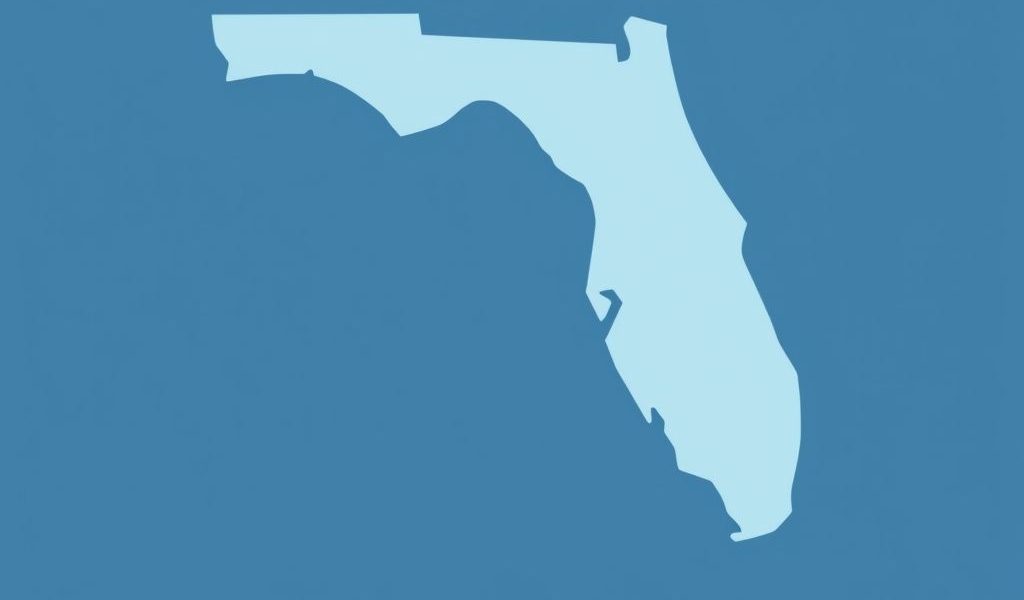
The Florida Panhandle is a distinctive region known for its beautiful beaches, historic towns, and vibrant cultural heritage. Stretching along the northwestern part of Florida, this area is marked by a variety of zip codes that cover diverse communities from coastal cities to inland rural towns. Understanding the zip codes in the Florida Panhandle is essential for mail delivery, navigation, business operations, and demographic analysis. These postal codes help define the region’s geographic scope and provide insight into the local economy, population, and lifestyle.
Overview of the Florida Panhandle Region
The Florida Panhandle extends roughly from the Alabama border in the west to the Apalachicola River in the east. This region includes popular destinations like Pensacola, Destin, Panama City, and Tallahassee, the state capital. The Panhandle is characterized by its mix of pristine white-sand beaches, lush forests, and small towns with rich Southern charm. The area’s zip codes reflect this diversity, ranging from bustling urban centers to quiet coastal villages and rural farmland.
Key Cities and Their Zip Codes
- Pensacola32501, 32502, 32503, 32505
- Destin32540, 32541, 32550
- Panama City32401, 32405, 32407
- Tallahassee32301, 32303, 32308
- Fort Walton Beach32547, 32548, 32549
The Importance of Zip Codes in the Florida Panhandle
Zip codes in the Florida Panhandle serve many practical purposes beyond just mail delivery. They are used for defining school districts, insurance rates, marketing campaigns, and emergency response coordination. For businesses, zip codes can influence logistics, shipping costs, and target demographics. For residents, these codes affect property values, local services, and community identity.
Role in Postal and Delivery Services
Efficient mail and package delivery rely heavily on accurate zip code mapping. The Panhandle’s varying terrain, from coastal areas prone to hurricanes to inland forests, requires careful planning of postal routes. Zip codes enable the U.S. Postal Service and private couriers to navigate the region’s complex geography, ensuring timely delivery to both urban and rural addresses.
Demographics and Population Distribution by Zip Code
The Florida Panhandle’s population is distributed across its many zip codes in patterns influenced by geography, economy, and culture. Coastal zip codes tend to have higher population densities due to tourism, retirement communities, and commercial development. Inland zip codes often represent smaller towns or rural areas with lower population density but strong local traditions and close-knit communities.
Population Trends and Growth Areas
- Rapid growth in coastal areas like Destin and Fort Walton Beach due to tourism and real estate development
- Stable populations in historic towns such as Apalachicola and Milton
- Mixed rural and suburban populations in zip codes surrounding Tallahassee
Economic Influence of Zip Codes in the Panhandle
Economic activities in the Florida Panhandle vary significantly by zip code. Coastal zip codes are heavily influenced by the tourism industry, with businesses ranging from hotels and restaurants to marine services and retail. Inland zip codes often focus on agriculture, manufacturing, and education. Understanding zip code economics helps local governments and businesses plan infrastructure, marketing, and community support programs.
Key Industries by Area
- Tourism and HospitalityProminent in beach zip codes like 32550 (Destin) and 32413 (Panama City Beach)
- AgricultureRural zip codes such as 32424 (Chipley) support farming and forestry
- Education and GovernmentConcentrated in Tallahassee’s zip codes like 32312 and 32308
- Military and DefenseStrong presence near Eglin Air Force Base in zip code 32544
Geographic and Environmental Considerations
The Florida Panhandle’s zip codes also correspond with various geographic and environmental zones. Coastal zip codes face challenges such as hurricane preparedness, flooding, and coastal erosion. Inland zip codes might deal with forest management and water resource conservation. Zip codes help agencies target emergency services and environmental programs more efficiently across the diverse landscapes of the Panhandle.
Disaster Preparedness and Zip Code Coordination
- Hurricane evacuation routes mapped by zip code areas
- Flood zones monitored in vulnerable coastal communities
- Emergency shelters and services organized based on postal regions
Transportation and Accessibility by Zip Code
Transportation infrastructure varies throughout the Florida Panhandle, with major highways, regional airports, and local roads serving different zip codes. Interstate 10 runs east-west through many Panhandle zip codes, connecting cities like Pensacola and Tallahassee. Smaller highways and county roads provide access to beach communities and rural towns. Zip codes help transportation planners allocate resources and improve connectivity.
- Interstate 10 serves zip codes such as 32503 (Pensacola) and 32301 (Tallahassee)
- State Road 98 and U.S. Highway 98 connect coastal zip codes including 32541 (Destin)
- Regional airports in Pensacola (32501) and Panama City (32405) support air travel
- Public transit options vary, often limited outside larger urban centers
Real Estate and Housing Trends by Zip Code
The Panhandle’s housing market varies widely by zip code, influenced by proximity to the coast, employment centers, and lifestyle preferences. Coastal zip codes often command higher property values and feature vacation homes, condos, and luxury estates. Inland zip codes generally offer more affordable housing with larger lots and quiet neighborhoods. Zip codes are important for real estate agents and buyers in assessing market trends and investment opportunities.
Housing Market Highlights
- High demand for beachfront properties in zip codes like 32541 (Destin) and 32413 (Panama City Beach)
- Growing suburban developments around Tallahassee’s zip codes 32311 and 32312
- Affordable rural homes and farmland in zip codes such as 32424 (Chipley) and 32428 (Bonifay)
Cultural and Community Identity Across Zip Codes
Each zip code in the Florida Panhandle carries its own unique identity shaped by history, demographics, and local culture. Communities within the zip codes host festivals, fairs, and events that celebrate regional traditions and lifestyles. From seafood festivals in coastal towns to historical reenactments inland, the diversity of the Panhandle’s zip codes contributes to a vibrant cultural tapestry.
Community Events and Local Traditions
- Seafood festivals and beach events in coastal zip codes
- Historic tours and preservation efforts in towns like Apalachicola (zip 32320)
- Annual fairs and agricultural shows in inland rural areas
The zip codes of the Florida Panhandle define more than just postal routes; they represent a region rich in diversity, culture, and opportunity. From bustling beach towns to serene countryside, these zip codes help organize services, support economic development, and foster community pride. Whether for residents, businesses, or visitors, understanding the Panhandle’s zip codes is key to navigating and appreciating this unique part of Florida.