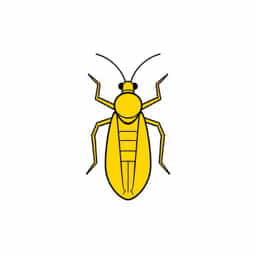
Yellow stem borer is a significant pest affecting rice and other cereal crops, causing economic damage to farmers by disrupting the plant’s vascular system and reducing yield. Its lifecycle, feeding habits, and internal damage often go unnoticed until symptoms such as dead hearts or white heads appear. Understanding the yellow stem borer through clear anatomical and lifecycle diagrams can help farmers, agronomists, and students identify the pest at different stages and apply effective control measures. This topic explores the yellow stem borer in detail, focusing on its morphology, life stages, symptoms, and control, providing an overview that benefits anyone involved in crop protection.
Overview of the Yellow Stem Borer
Scientific Classification
The yellow stem borer is scientifically known asScirpophaga incertulas. It belongs to the order Lepidoptera and the family Crambidae. This pest is particularly damaging in Asia and parts of Africa, where rice is a staple crop. It is most active in warm, humid conditions, especially during the wet season.
Importance in Agriculture
The yellow stem borer is a destructive rice pest, especially during the tillering and panicle initiation stages. The larvae bore into the rice stems, feeding internally and causing significant disruption to nutrient and water flow within the plant. Infestations often go unnoticed until damage has progressed extensively.
Yellow Stem Borer Diagram Description
Stages Shown in the Diagram
A typical yellow stem borer diagram includes the following components:
- Egg: Laid in clusters on the underside of leaves and covered with pale brown hairs from the female’s body.
- Larva: The most damaging stage. Larvae bore into the stem and remain hidden while feeding on internal tissues.
- Pupa: Pupation takes place within the stem or in plant debris, transforming the larva into an adult moth.
- Adult Moth: Pale yellow with a wingspan of about 20-30 mm. Female moths are slightly larger than males.
Diagrams may also show damage symptoms such as dead hearts (in vegetative stage) and white heads (in reproductive stage), as well as the affected rice stem’s internal cross-section showing larval feeding tunnels.
Diagram Layout
In a labeled diagram, the lifecycle stages are typically shown in a circular or linear format, indicating the progression from egg to adult. The larva is often illustrated inside a dissected stem to show internal damage. Arrows or labels may indicate developmental time, seasonal occurrence, and transitions between stages.
Lifecycle of the Yellow Stem Borer
Egg Stage
Female moths lay egg masses on the underside of leaves. A single cluster can contain 100-150 eggs. These are usually laid in the evening and hatch within 5-8 days depending on the climate. Eggs are covered with buff-colored scales to protect them from predators and environmental conditions.
Larval Stage
After hatching, larvae search for the leaf sheath or the lower portion of the stem and bore into it. They feed internally for about 20-30 days. Larvae pass through 5-6 instars during this stage. This is the most damaging stage as the larva destroys the central growing point, leading to typical damage symptoms.
Pupal Stage
Larvae pupate within the plant stem or sometimes in the leaf sheath. The pupal period lasts around 6-10 days. Pupae are brown and cylindrical in shape. As the adult moth prepares to emerge, the pupal case often protrudes slightly from the stem or sheath.
Adult Stage
Adult moths are pale yellow with white forewings. Females are usually larger and have more pronounced scale tufts on their abdomen. The adults are nocturnal, hiding during the day and flying at night to lay eggs. Their lifespan is short, ranging from 4 to 7 days.
Symptoms of Yellow Stem Borer Infestation
During Vegetative Stage
- Dead Heart: Central leaf shoot dries and can be easily pulled out. This is due to the larva cutting the central shoot inside the stem.
- Stunted Growth: Affected tillers show limited vertical development and may eventually die off.
During Reproductive Stage
- White Heads: Panicles emerge but remain empty or become white due to damage in the vascular system.
- Unfilled Grains: If larvae attack during early grain formation, the resulting panicles may be poorly filled or sterile.
Monitoring and Identification
Field Scouting
Monitoring should begin in the early tillering stage. Check for:
- Egg masses under leaves
- Dead hearts and white heads
- Frass or silk near the leaf sheath, indicating larval entry
Use of Light Traps
Light traps attract adult moths during nighttime, helping estimate population levels. This information can guide control timing to prevent further egg-laying and larval infestation.
Control and Management
Preventive Measures
- Use of Resistant Varieties: Grow rice cultivars less susceptible to yellow stem borer.
- Field Sanitation: Remove and destroy stubbles and crop residues after harvest.
- Crop Rotation: Avoid continuous rice cropping in the same field.
Biological Control
- Egg Parasitoids: Trichogramma chiloniscan be released to parasitize eggs before they hatch.
- Predators: Spiders, ground beetles, and dragonflies feed on eggs and larvae.
Chemical Control
Insecticides should be applied only when monitoring indicates high pest pressure. Use targeted insecticides during the early larval stage before they bore into the stem. Commonly used active ingredients include:
- Cartap hydrochloride
- Chlorantraniliprole
- Fipronil
Application should be done in the early morning or late evening to target active larvae. Always follow label instructions and rotate chemicals to prevent resistance development.
Integrated Pest Management (IPM)
IPM Strategy for Yellow Stem Borer
Combining cultural, biological, and chemical control methods provides the most sustainable approach to managing yellow stem borer populations. Key steps include:
- Timely sowing and transplanting to escape peak pest periods
- Monitoring with pheromone and light traps
- Releasing natural enemies
- Targeted chemical sprays only when needed
The yellow stem borer is a persistent pest in rice cultivation, and its internal feeding habits make it challenging to detect and control. A clear understanding of its biology, lifecycle stages, and visible damage is essential for effective intervention. While chemical control can offer quick results, integrating biological agents and cultural practices ensures long-term suppression without harming the ecosystem. Diagrams that illustrate the pest’s development stages and symptoms play a vital role in educating farmers, students, and professionals in pest management. With proper identification and strategic control measures, the impact of yellow stem borer on crop productivity can be significantly reduced.