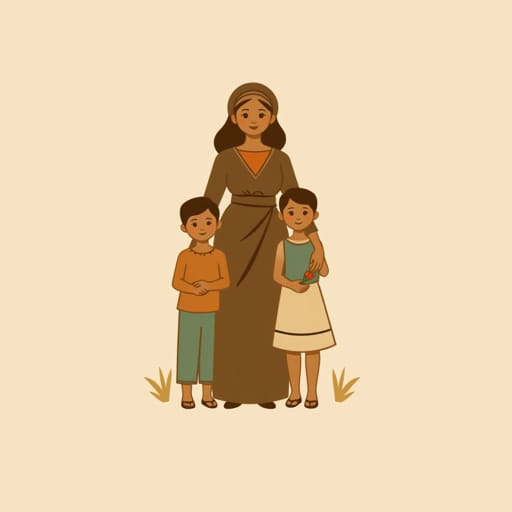
The life of a sharecropper was one of hard work, uncertainty, and constant struggle. For the wife and children of a sharecropper, the daily reality was shaped by the harsh economic system that governed rural agricultural communities, especially in the southern United States after the Civil War. Families often lived in simple cabins on the landowner’s property, where the entire household played a role in maintaining the farm. The life they led was far from easy, but it was defined by resilience, close family ties, and an unrelenting commitment to survival.
The Role of the Sharecropper’s Wife
Household Responsibilities
The wife of a sharecropper had an essential role in the family. Her duties went beyond traditional homemaking tasks. In addition to cooking, cleaning, and raising children, she often worked in the fields alongside her husband. Preparing meals from limited ingredients, mending worn clothes, and maintaining a clean home with little to no modern conveniences demanded time and energy. These responsibilities were even more challenging during planting and harvest seasons.
Field Work and Labor
During peak farming periods, sharecropper wives would often work long hours in the fields. They would hoe, weed, pick cotton, and perform other agricultural tasks needed to help fulfill the family’s share of the harvest. This labor was unpaid and expected, since the success of the sharecropping agreement depended on the household’s collective contribution.
Financial Management and Barter
Because sharecroppers earned little actual money, women were responsible for stretching the family’s limited resources. They often managed household finances, engaged in bartering with neighbors, or sold eggs, butter, or vegetables to earn extra income. These strategies were crucial in helping the family survive between harvests and during times of crop failure.
The Lives of Sharecropper Children
Early Responsibility
Children of sharecroppers were introduced to work at a very young age. As soon as they were physically capable, they were expected to help their parents in the fields or assist with chores at home. Tasks for children included picking cotton, gathering firewood, feeding livestock, or drawing water from wells. Their education was often interrupted or cut short due to these labor demands.
Education and Schooling
Formal education for sharecroppers’ children was limited. Schools in rural areas were often far away, and attendance was inconsistent because families needed every available hand to help with farming. Some children attended school only during the off-season, and many left school permanently by their early teens to work full-time.
Living Conditions and Health
Living conditions were modest at best. Sharecropper families often lived in wooden shacks without plumbing or electricity. Poor nutrition, exposure to harsh weather, and lack of medical care affected children’s health and growth. Illnesses were common and sometimes fatal due to the inability to afford medicine or treatment.
Emotional Life and Family Dynamics
Family Unity
Despite their struggles, many sharecropping families were close-knit. The hardships they faced together often strengthened the bond between husband, wife, and children. Shared meals, storytelling, and religious traditions provided comfort and hope, even during difficult times.
Religious and Cultural Life
Church was often the center of the family’s social life. Families would attend services together, and religious teachings influenced their moral values and sense of purpose. Spiritual life was a source of strength, especially for those facing systemic poverty and racial injustice, such as African American sharecroppers in the segregated South.
Struggles and Inequities
Economic Exploitation
Sharecropping was a system that heavily favored landowners. Families were required to give a large portion of their crops to the landowner in exchange for the use of land, tools, and supplies. Often, by the end of the year, families found themselves in debt due to inflated charges or dishonest bookkeeping by landowners.
Cycle of Poverty
This system kept sharecroppers poor and dependent. Many could never save enough money to buy their own land. This cycle continued from one generation to the next, with wives and children enduring the same hardships as their parents before them.
Racial Discrimination
For African American sharecroppers, racism added an extra layer of difficulty. Discriminatory laws, limited rights, and unequal access to justice made it even harder for Black families to improve their situations. White landowners often took advantage of Black sharecroppers, paying them less or cheating them out of their fair share of the crop.
Hope, Resilience, and Change
Strength in Community
Wives and children of sharecroppers often found strength in their communities. Neighbors supported each other through hard times by sharing food, labor, and advice. Mutual aid helped keep families afloat during illness, bad weather, or crop failures.
The Beginning of a New Era
By the mid-20th century, economic changes, industrialization, and the Civil Rights Movement began to shift the system. Government programs and urban job opportunities helped many families escape the sharecropping cycle. The efforts of strong women and hardworking children played a key role in this transition.
Legacy and Reflection
The experience of the wife and children of a sharecropper is a vital chapter in agricultural and labor history. Their stories reflect the resilience of the human spirit and the enduring strength of families who worked together in the face of adversity. Understanding this part of history sheds light on the long struggle for justice, fairness, and opportunity in rural communities.
While the sharecropper is often remembered as the primary worker, the role of his wife and children was equally significant. Their contributions were essential to the family’s survival and to the functioning of the agricultural system as a whole. Their daily lives were marked by toil, perseverance, and love. The sacrifices they made should not be forgotten, as they laid the groundwork for future generations to pursue better lives beyond the fields.