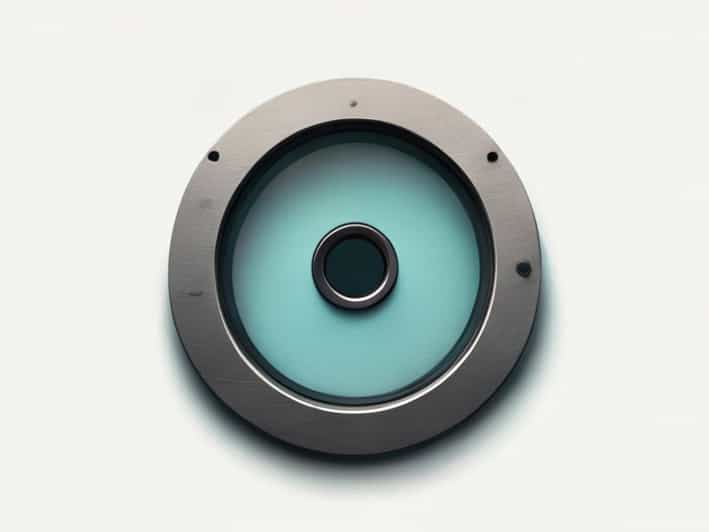
Portholes are small, round windows commonly found on ships, submarines, and sometimes aircraft, allowing light and ventilation while maintaining the structural integrity of the vessel. Many people use the term without thinking about its origin, but the name porthole has a specific historical and functional background. Understanding why a porthole is called a porthole requires exploring maritime history, ship design, and the evolution of nautical terminology. The story behind this everyday term reveals not only the practical considerations of seafaring but also how language develops alongside technology and industry.
The Function of a Porthole
Portholes serve several important purposes on ships and submarines. Unlike standard windows, portholes are designed to withstand the harsh conditions of the sea, including waves, wind, and changes in pressure. They are typically circular, which distributes stress evenly and reduces the risk of cracking or leaking. This design ensures that ships remain seaworthy even in rough waters.
In addition to structural benefits, portholes provide light and air to interior spaces that would otherwise be dark and poorly ventilated. Before modern electric lighting and advanced ventilation systems, portholes were essential for the comfort and safety of sailors and passengers.
Design Features of Portholes
- Round shape for even distribution of stress
- Thick glass or reinforced materials to resist pressure and impact
- Watertight frames and covers to prevent flooding
- Ability to open or tilt for ventilation on some designs
The combination of these features makes portholes both practical and durable, highlighting the ingenuity of early shipbuilders.
Historical Origins of the Term Porthole
The word porthole is derived from the combination of port and hole. In maritime terminology, port historically referred to a side opening or gateway on a ship, not just the left-hand side as it is commonly understood today. Early ships had small openings in their hulls to allow cannons to be mounted or to provide access to the outside environment. These openings were often circular or oval and were referred to as port holes or simply ports.
Over time, as ships evolved from sailing vessels to steamships and modern cruisers, the term porthole came to be associated specifically with the round windows installed in the sides of ships. While the function shifted from military and practical purposes to lighting and ventilation, the name remained.
From Cannon Ports to Windows
In medieval and early modern ships, ports were originally openings through which cannons were fired. These gunports were covered with hinged wooden shutters when not in use. As naval architecture advanced, some of these openings were adapted to allow light and air into living quarters, giving rise to what we now recognize as portholes. The round shape persisted because it provided strength and reduced the likelihood of cracks in the wooden hull.
Linguistic Evolution of Porthole
The term porthole gradually entered common nautical language in the 18th and 19th centuries. Writers and sailors began using it to describe the circular windows found on passenger ships, merchant vessels, and warships. The adoption of the term in English reflects both the functional origins of ship ports and the gradual transformation of ship design.
Interestingly, the word also influenced related terms in other languages. For example, in French, a porthole is called a hublot, which comes from a similar concept of a small circular window. This demonstrates how maritime terminology often spreads across cultures due to international trade and naval interaction.
Symbolism and Cultural Significance
Portholes are not only functional but also symbolic in literature, art, and popular culture. They often represent the boundary between the safety of the ship and the vastness of the sea, or between the interior world and the outside environment. The circular shape has also become an iconic element in maritime imagery, frequently depicted in paintings, movies, and illustrations related to nautical themes.
Modern Uses of Portholes
While originally developed for wooden sailing ships, portholes continue to be an important feature in modern vessels. Submarines, for instance, may have reinforced portholes made from thick acrylic or laminated glass to allow observation while maintaining pressure resistance. Luxury cruise ships use portholes to enhance passenger experience, providing views of the ocean while preserving the structural integrity of the hull.
The term has even expanded metaphorically into aviation and architecture. Small round windows in aircraft cabins or unique architectural designs are sometimes referred to as portholes due to their similarity in shape and function to maritime windows.
Engineering Advantages
- Round shape minimizes stress concentration compared to square windows
- Reduces risk of structural failure in high-pressure environments
- Maintains aesthetic consistency with ship design
- Can be equipped with watertight seals for additional safety
These engineering considerations highlight why the circular design of portholes has persisted for centuries, even as materials and construction methods have improved.
The term porthole has a rich history rooted in maritime practice and ship design. It originates from the combination of port, referring to an opening on a ship, and hole, describing the circular shape of these openings. Initially used for cannon ports, the concept evolved into the small, round windows that provide light, air, and structural safety on modern ships and submarines. Portholes exemplify the intersection of practicality, engineering, and cultural significance, reflecting centuries of nautical tradition. Their enduring design and name remind us of the ingenuity of early sailors and shipbuilders, while continuing to serve functional and aesthetic purposes in contemporary maritime and architectural applications.