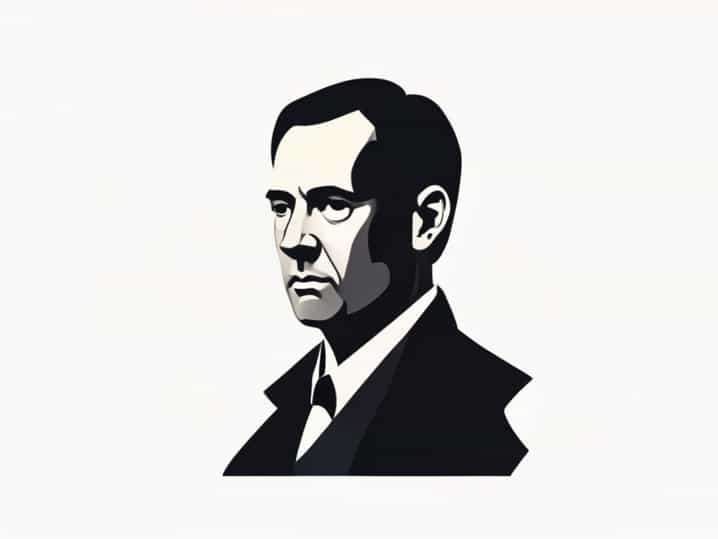
Alexander Dubček, the leader of Czechoslovakia in 1968, famously referred to a certain action as a betrayal during a turbulent period in his country’s history. This statement was made in the context of the Warsaw Pact invasion of Czechoslovakia, which abruptly ended the reforms of the Prague Spring. Dubček’s reforms had aimed to liberalize the country’s communist system, introducing political freedoms, press openness, and economic experimentation. When Soviet-led forces invaded in August 1968, Dubček saw the intervention as a profound violation of trust and sovereignty, prompting him to describe it as a betrayal not only of Czechoslovakia but also of the promises of socialism and international solidarity within the Eastern Bloc.
Background of the Prague Spring
The Prague Spring was a period of political liberalization and reform in Czechoslovakia under Alexander Dubček’s leadership. After becoming First Secretary of the Communist Party in January 1968, Dubček introduced a series of reforms intended to create socialism with a human face. These reforms included increased freedom of speech, relaxation of press censorship, greater freedom for travel, and limited decentralization of the economy. The goal was to modernize the country while maintaining its socialist system, balancing reform and loyalty to the Eastern Bloc. For the people of Czechoslovakia, these changes represented hope and the possibility of a more open society.
Dubček’s Vision for Czechoslovakia
Dubček envisioned a Czechoslovakia where political and cultural life could flourish within a socialist framework. He believed that by allowing greater personal freedoms and economic flexibility, the country could achieve prosperity and stability while remaining aligned with the broader communist bloc. His approach emphasized dialogue, compromise, and responsiveness to public opinion, which marked a significant departure from the rigid policies of previous leaders such as Antonín Novotný. The Prague Spring became a symbol of hope for reform-minded citizens and a model for other Eastern European countries under Soviet influence.
The Warsaw Pact Invasion
The Soviet Union, along with other Warsaw Pact nations, viewed Dubček’s reforms as a threat to communist control and feared that liberalization in Czechoslovakia could inspire similar movements across Eastern Europe. On August 20-21, 1968, Soviet troops, along with forces from Poland, Hungary, East Germany, and Bulgaria, invaded Czechoslovakia. The invasion was sudden and overwhelming, with thousands of tanks entering Prague and other cities, effectively ending the Prague Spring. Dubček and other Czechoslovak leaders were arrested and taken to Moscow, where they were pressured into signing agreements that rolled back the reforms and reaffirmed Soviet control.
Dubček’s Reaction to the Invasion
Dubček’s description of the invasion as a betrayal reflected his sense of personal and political violation. He had attempted to maintain loyalty to the Soviet Union while pursuing domestic reforms, expecting dialogue and cooperation rather than military intervention. The abrupt invasion shattered these expectations, demonstrating that the promises of socialist fraternity and mutual respect within the Warsaw Pact were not upheld. To Dubček, the Soviets had betrayed the principles of trust, cooperation, and socialist solidarity by resorting to force instead of negotiation.
Why Dubček Called It a Betrayal
The term betrayal captures multiple dimensions of Dubček’s experience during and after the invasion. First, it was a betrayal of Czechoslovakia’s sovereignty. Despite being a Warsaw Pact member and a loyal socialist state, the country’s right to determine its own internal policies was violated by external military force. Second, it was a betrayal of the people’s aspirations. Citizens had embraced the Prague Spring as an opportunity for greater freedom and reform, and the sudden suppression of these changes crushed public hope. Third, it represented a personal betrayal to Dubček himself, who had attempted to balance reform with loyalty to Moscow, believing in the possibility of a more humane socialism. The invasion signaled that these efforts were disregarded.
The Political Dimension of the Betrayal
The political aspect of the betrayal also included the broken trust within the Eastern Bloc. Dubček and his allies had expected a form of mutual respect between socialist countries, where reform could be negotiated rather than suppressed by military intervention. The Warsaw Pact invasion demonstrated that the Soviet Union prioritized control and ideological conformity over dialogue and compromise. This act undermined Dubček’s confidence in the leadership of the Soviet Union and revealed the limits of autonomy for smaller communist states within the alliance. The term betrayal thus conveys both the political violation and the personal disappointment of a leader committed to peaceful reform.
Impact on Czechoslovakia and Dubček
The invasion had immediate and long-lasting effects on Czechoslovakia. Dubček was forced to resign as First Secretary in April 1969, and a period of normalization followed, during which Soviet-approved leaders reasserted strict control. Civil liberties were curtailed, censorship returned, and political dissent was suppressed. For the population, the invasion represented the abrupt end of hope and the reestablishment of authoritarian rule. For Dubček, it marked the end of his political experiment and a personal reckoning with the realities of Soviet dominance.
Symbolism of the Betrayal
Dubček’s use of the word betrayal also serves as a symbol of the broader struggle for reform in Eastern Europe. It illustrates the tension between aspirations for freedom and the rigid control of the Soviet Union over its satellite states. The term resonates historically because it encapsulates both political violation and moral disappointment, highlighting the human dimension of geopolitical conflicts. Dubček’s labeling of the invasion as a betrayal emphasizes that the suppression of reform was not merely a military act but a violation of trust, ideals, and human dignity.
Lessons from Dubček’s Experience
The story of Dubček and his description of the invasion as a betrayal provides several lessons for understanding politics, leadership, and international relations. First, it highlights the difficulties of pursuing reform within a rigid, hierarchical system where external powers exert influence. Second, it underscores the importance of trust in alliances, demonstrating how the violation of expectations can have profound political and personal consequences. Third, it offers insight into the resilience of reform movements, as the memory of the Prague Spring inspired future generations in Czechoslovakia and other Eastern Bloc countries to continue seeking freedom and democracy.
Key Takeaways
- Dubček called the Warsaw Pact invasion a betrayal due to the violation of Czechoslovakia’s sovereignty.
- It represented a betrayal of the hopes and aspirations of the Czechoslovak people.
- The invasion violated Dubček’s personal trust in the possibility of reform within socialism.
- It illustrated the limits of autonomy for smaller nations under Soviet influence.
- The term betrayal captures both political and moral dimensions of the event.
Alexander Dubček’s characterization of the Warsaw Pact invasion as a betrayal reflects the complex political, personal, and moral impact of the events of 1968 on Czechoslovakia. By calling it a betrayal, Dubček expressed the violation of national sovereignty, the crushing of public hopes, and the personal disappointment of a leader who sought reform through dialogue and loyalty. The term remains a powerful reminder of the limits of autonomy within the Soviet sphere and the challenges faced by reformers under authoritarian systems. Dubček’s experience continues to be studied as a crucial episode in Cold War history, illustrating the tension between ideals, leadership, and realpolitik.