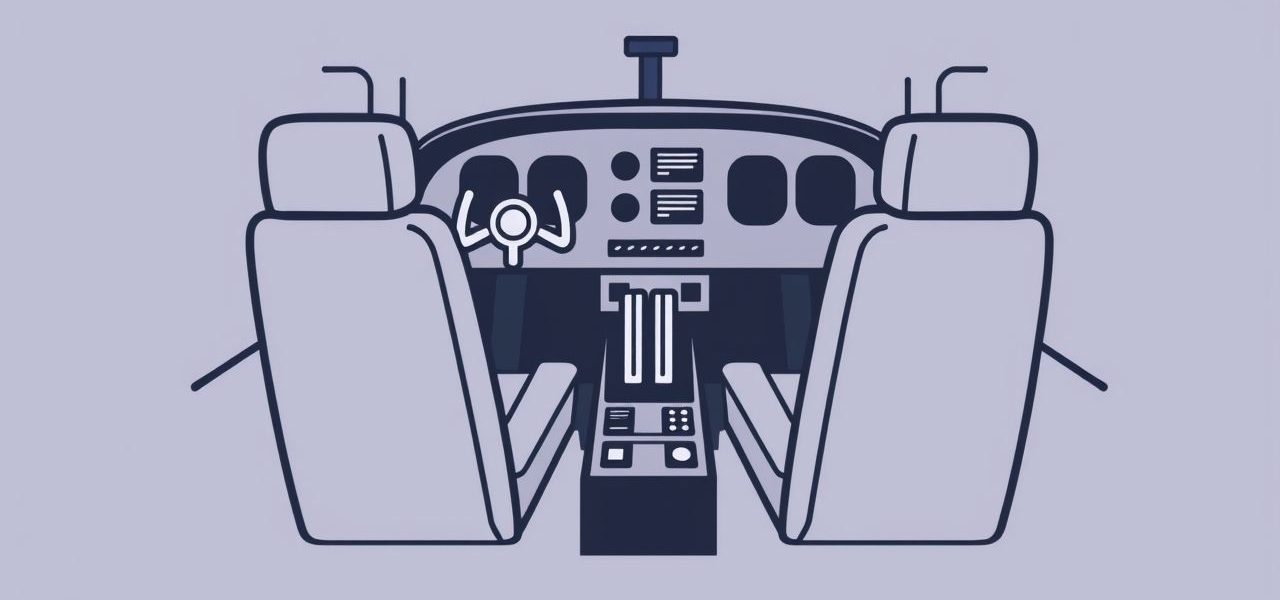
When you hear the word cockpit, your mind might instantly picture the control center of an airplane, filled with blinking lights, switches, and pilots communicating with air traffic control. However, the meaning of cockpit extends beyond modern aviation. It is a word with rich history, various applications, and evolving significance. Understanding what cockpit truly means requires a look at its definitions, its historical roots, and its place in different industries. This word carries importance not just in the skies, but also on ships, in motorsports, and even in architectural and cultural contexts.
Definition of Cockpit
The term cockpit most commonly refers to the area in an aircraft where the pilot and co-pilot sit and control the plane. It is the nerve center of the aircraft, where all major navigational, mechanical, and communication systems are monitored and managed. But this is just the modern and most familiar meaning of the word. Let’s explore further meanings and contexts where the word is used.
General Meanings of Cockpit
- Aviation: The enclosed space at the front of an aircraft where the flight crew operates the aircraft.
- Maritime: On a boat, the cockpit is usually the open area near the stern where the controls of the boat are located.
- Motorsports: The cockpit is the compartment where the driver sits and controls the vehicle.
- Historical: In earlier centuries, a cockpit referred to an arena for cockfighting or a small, confined space, often where intense conflict occurred.
Origins and Etymology
The word cockpit has an interesting origin. It originally came from the combination of cock (as in cockfighting) and pit (a sunken or enclosed area). The earliest usage of the term referred to a pit where cockfights were held. These spaces were often chaotic, noisy, and crowded features that inspired the metaphorical extension of the word to any tightly enclosed space where activity happens under pressure.
During the 16th and 17th centuries, the word started being used in naval contexts. On warships, the cockpit referred to the area below deck where wounded sailors were treated during battles. Over time, the term was adopted by aviation pioneers to describe the control area of an aircraft, possibly due to its small size and the intense focus of activity within it.
The Cockpit in Aviation
Today, the cockpit is an essential part of any airplane. It’s where flight plans are executed, communications are handled, and the safety of passengers is monitored. A cockpit contains all the instrumentation and controls needed to fly the aircraft. Some of the common features inside an aircraft cockpit include:
- Flight instruments: altimeter, airspeed indicator, attitude indicator
- Navigation systems: GPS, VOR, ILS
- Communication radios
- Autopilot systems
- Throttle and flight control systems
In commercial aircraft, the cockpit is typically sealed off from the passenger area for security reasons and is only accessible to authorized flight personnel. It is sometimes called the flight deck, especially in large commercial jets.
Modern Cockpit Technology
With technological advancements, cockpits have become increasingly digital. The traditional steam gauge analog instruments are now being replaced with electronic flight instrument systems (EFIS), often referred to as glass cockpits. These digital displays make it easier for pilots to gather and interpret flight data in real-time.
Other Uses of the Word Cockpit
In Boats and Ships
In marine terminology, the cockpit refers to the area of the boat where the helm (steering wheel or tiller) is located. This is the control center of the vessel, typically situated outdoors. In smaller boats, the cockpit is often the only seating area, making it both a control and social space. On larger vessels, the cockpit might be separate from the main living areas and offer a dedicated control environment.
In Racing and Motorsports
In the world of motorsports, such as Formula 1 or NASCAR, the cockpit is the space where the driver is seated. It’s a confined, ergonomically designed area that houses the vehicle’s steering wheel, controls, and safety features. Given the high speeds and risks involved in motorsports, cockpits are engineered with reinforced materials to protect the driver during a crash.
Historical and Metaphorical Uses
In literature and history, the term cockpit has been used metaphorically to describe places of intense activity or conflict. For example, during World War I and II, certain regions were described as the cockpit of Europe because of the high level of military activity. This metaphor draws on the original idea of a confined area where struggle and chaos are central themes.
Importance of the Cockpit in Safety
In aviation, the cockpit is more than just a place to fly the aircraft. It is the central hub for decision-making and crisis management. Pilots undergo rigorous training to handle emergency scenarios that may occur in the cockpit, such as system failures, turbulence, or communication breakdowns. The layout of a cockpit is also designed to support human factors engineering, ensuring that everything a pilot needs is within reach and easy to read under stress.
Flight Deck vs Cockpit
While often used interchangeably, there is a slight difference between the terms cockpit and flight deck. Cockpit is more traditional and widely used in general aviation, while flight deck is the preferred term in commercial aviation. Both terms refer to the same physical space, but flight deck can sometimes imply a larger or more sophisticated environment.
A Word with Depth and Range
The meaning of cockpit has expanded far beyond its original use. From cockfighting arenas to high-tech aircraft control centers, the word has adapted across centuries and industries. Whether you’re boarding a flight, sailing a yacht, or watching a car race, the cockpit is the space where control, precision, and focus come together. Its usage in both literal and metaphorical contexts makes it a unique term in the English language. Understanding what cockpit means is not only about recognizing its physical form but also appreciating its historical journey and varied modern applications.