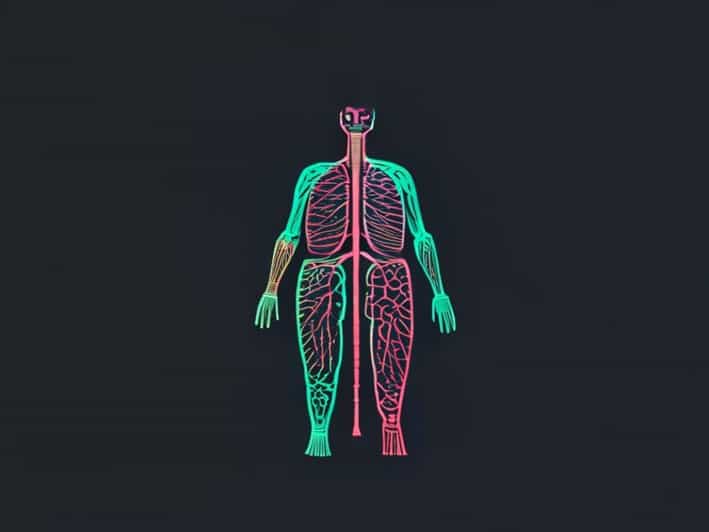
The human nervous system is a complex network that controls every function in the body, from movement to automatic processes like heartbeat and digestion. It is divided into different parts to manage voluntary and involuntary actions efficiently. Two major components of this system are the somatic nervous system and the autonomic nervous system. Understanding these two systems helps explain how the body responds to external stimuli and maintains internal balance. The somatic and autonomic nervous systems work together to ensure smooth communication between the brain, spinal cord, and various organs, allowing humans to interact with their environment while keeping internal processes stable.
Overview of the Nervous System
The nervous system is divided into the central nervous system (CNS) and the peripheral nervous system (PNS). The CNS, consisting of the brain and spinal cord, acts as the control center, while the PNS connects the CNS to the rest of the body. Within the PNS, the somatic and autonomic nervous systems play critical roles in managing voluntary and involuntary functions. These two systems differ in structure, function, and control mechanisms, yet they work together to maintain overall bodily function.
Somatic Nervous System
The somatic nervous system (SNS) is responsible for voluntary actions and conscious control of skeletal muscles. It allows individuals to perform intentional movements like walking, writing, or picking up objects. The SNS also transmits sensory information from the body to the central nervous system, helping the brain respond to changes in the environment. This system relies on sensory neurons to carry information from sensory organs such as the skin, eyes, and ears, and motor neurons to send commands to muscles.
Key Functions of the Somatic Nervous System
- Control of voluntary muscle movements.
- Transmission of sensory information from external stimuli.
- Reflex actions, which are quick responses to stimuli, are partially managed by the SNS.
- Coordination between sensory inputs and motor outputs for precise actions.
Structure of the Somatic Nervous System
The SNS consists mainly of nerves that connect the CNS to skeletal muscles and sensory organs. Sensory (afferent) neurons carry information to the CNS, while motor (efferent) neurons transmit instructions from the CNS to muscles. This system enables fast and controlled responses, essential for interacting with the external environment. Reflex arcs, which allow the body to react quickly without waiting for brain input, are a key feature of the somatic nervous system.
Autonomic Nervous System
The autonomic nervous system (ANS) controls involuntary body functions, regulating organs and glands without conscious effort. This system is responsible for maintaining homeostasis, ensuring that vital processes like heart rate, digestion, and respiration function automatically. The ANS operates in the background, constantly adjusting internal processes to meet the body’s needs. Unlike the somatic nervous system, the ANS is not under conscious control, although its activity can sometimes be influenced indirectly through practices like meditation or breathing exercises.
Divisions of the Autonomic Nervous System
- Sympathetic Nervous SystemPrepares the body for fight or flight responses, increasing heart rate, dilating pupils, and redirecting blood flow to muscles during stress or danger.
- Parasympathetic Nervous SystemPromotes rest and digest functions, slowing heart rate, stimulating digestion, and conserving energy when the body is at rest.
- Enteric Nervous SystemSometimes considered part of the ANS, it specifically manages the gastrointestinal system, controlling digestion and gut movements independently of the brain.
Functions of the Autonomic Nervous System
The ANS regulates many vital functions that occur without conscious thought. It adjusts the heart rate based on activity level, controls blood pressure, manages the release of hormones, and oversees digestion and respiratory rate. It ensures that the body maintains a stable internal environment, even during changes in external conditions. The sympathetic and parasympathetic systems often work in opposition to balance bodily functions, such as increasing heart rate during exercise and reducing it during rest.
Differences Between Somatic and Autonomic Nervous Systems
- ControlThe somatic system is voluntary, while the autonomic system is involuntary.
- EffectorsThe SNS targets skeletal muscles, while the ANS targets smooth muscles, cardiac muscles, and glands.
- Response SpeedSNS responses are fast and direct, whereas ANS responses are often slower and more regulated.
- FunctionSNS manages conscious actions, ANS maintains internal stability and automatic bodily functions.
Interaction Between Somatic and Autonomic Systems
Although these systems have distinct functions, they often interact. For example, during physical activity, the somatic system controls voluntary muscle movements, while the autonomic system increases heart rate and blood flow to supply muscles with oxygen. Stressful situations trigger the sympathetic nervous system, while conscious actions like running or jumping are guided by the somatic nervous system. This collaboration ensures that the body can respond effectively to both external and internal demands.
Disorders Related to Somatic and Autonomic Systems
Disruptions in these systems can lead to various health issues. Damage to the somatic nervous system may cause muscle weakness, loss of coordination, or sensory deficits. Autonomic dysfunction can result in abnormal heart rates, blood pressure irregularities, digestive problems, or issues with temperature regulation. Understanding the differences between these systems is crucial for diagnosing and treating neurological disorders and maintaining overall health.
The somatic and autonomic nervous systems are essential components of the peripheral nervous system, each serving distinct but complementary roles. The somatic nervous system enables voluntary movements and conscious interaction with the environment, while the autonomic nervous system maintains automatic functions that keep the body stable and healthy. Together, these systems allow humans to respond to external stimuli, perform intentional actions, and regulate vital internal processes. Understanding their functions, interactions, and differences provides valuable insights into human biology and the intricate ways our bodies maintain balance and respond to the world around us.