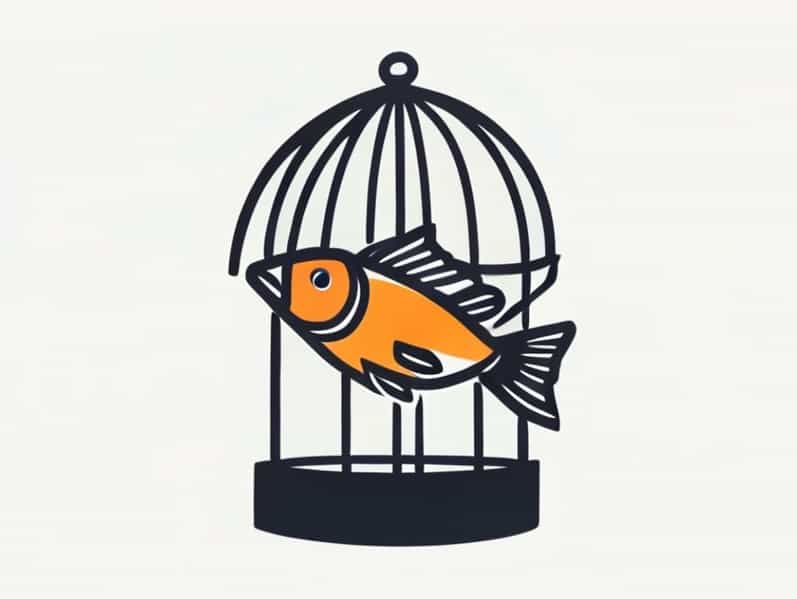
Fish in a Birdcage is a thought-provoking novel that explores themes of oppression, resilience, identity, and the human spirit in the face of adversity. The story presents characters whose lives are constrained by societal, political, or personal circumstances, much like a fish trapped in a birdcage. Through the narrative, readers are invited to examine the limitations imposed on individuals and the ways they navigate challenges to seek freedom, self-expression, and meaning. The novel combines a gripping plot with rich symbolism, making it a compelling study of human emotions and social structures.
Overview of the Story
The central plot of Fish in a Birdcage revolves around the life of a protagonist who experiences confinement and restriction, both physically and metaphorically. The title itself suggests a paradox a creature meant for one environment, the fish, is placed in a setting that is entirely unsuitable, a birdcage, symbolizing extreme misplacement and limitation. The narrative explores how the protagonist reacts to these constraints, whether through passive endurance, subtle rebellion, or active attempts to break free. Readers follow the journey of the character as they confront societal norms, personal fears, and internal conflicts.
Main Themes
- Oppression and restriction How societal rules or personal circumstances limit freedom.
- Resilience The ability of the human spirit to endure despite constraints.
- Identity Exploration of selfhood and personal growth under pressure.
- Freedom versus confinement The tension between natural instincts and imposed boundaries.
- Symbolism of entrapment Objects or situations representing the limitations characters face.
Symbolism of the Title
The title Fish in a Birdcage serves as a metaphor for the unnatural limitations imposed on individuals. Just as a fish cannot survive in a birdcage, the characters in the novel are placed in situations that are unsuitable for their well-being. The title captures the essence of restriction, highlighting the conflict between the environment and the nature of the individual. It also invites readers to reflect on broader societal constraints, such as political oppression, gender discrimination, or cultural expectations that prevent individuals from realizing their potential.
Fish as a Symbol
- The fish represents vulnerability, sensitivity, and the natural desire for freedom.
- It embodies the struggles of characters trapped in environments that are incompatible with their needs or identity.
- The fish’s plight symbolizes the emotional and psychological challenges of confinement.
Birdcage as a Symbol
- The birdcage represents restrictive structures, rules, or expectations.
- It signifies societal, familial, or personal barriers that limit freedom and growth.
- The birdcage also reflects the paradox of safety and restriction-while it provides structure, it inhibits natural expression.
Character Analysis
The protagonist of Fish in a Birdcage is central to understanding the novel’s message. Their journey from confinement to self-realization illustrates the struggle against imposed boundaries. Other characters serve as foils or symbols of the society that restricts the protagonist. These interactions highlight the tension between conformity and individuality, obedience and rebellion, and fear and courage. Each character’s actions and reactions provide insight into the psychological effects of entrapment and the strategies employed to navigate it.
Protagonist
- Experiences internal and external confinement.
- Represents resilience and the human desire for freedom.
- Goes through personal growth and self-discovery despite obstacles.
Supporting Characters
- Reflect societal norms and constraints.
- Highlight the contrast between freedom and restriction.
- Serve as catalysts for the protagonist’s transformation.
Themes of Oppression and Resilience
One of the most prominent aspects of Fish in a Birdcage is the exploration of oppression. The novel examines various forms of confinement-social, political, and personal-and their impact on individuals. At the same time, it emphasizes resilience, showing how characters develop coping mechanisms, assert their identity, and seek freedom within the constraints they face. This duality between oppression and resilience is central to the narrative, offering readers a deep understanding of human endurance and the importance of self-determination.
Social Constraints
- Gender roles and expectations.
- Class or cultural limitations.
- Restrictions imposed by family or community norms.
Personal Struggles
- Internalized fears and anxieties.
- Psychological effects of isolation or restriction.
- Balancing personal desires with societal expectations.
Use of Setting and Environment
The setting in Fish in a Birdcage plays a symbolic role, reflecting the themes of confinement and misplacement. Locations are often described as restrictive or unnatural, reinforcing the sense of entrapment. The environment mirrors the emotional and psychological state of the characters, emphasizing the struggle for freedom and self-expression. The use of setting enhances the readers’ understanding of the protagonist’s plight and adds depth to the symbolism of the fish and birdcage.
Physical Confinement
- Rooms, houses, or institutions represent literal and figurative cages.
- Physical spaces contribute to the feeling of restriction and oppression.
Psychological Confinement
- The environment influences the mental state and emotional resilience of characters.
- Symbolic spaces reflect inner turmoil and desires for escape.
Literary Techniques
Fish in a Birdcage employs several literary techniques to enhance its themes and symbolism. The author uses metaphor, imagery, and character development to illustrate the tension between freedom and restriction. Symbolic objects, like the birdcage, provide layers of meaning that invite readers to think critically about societal constraints and personal liberation. The narrative structure often juxtaposes moments of confinement with instances of potential freedom, emphasizing the struggle for self-expression and autonomy.
Symbolism
- Objects, such as the fish and birdcage, convey deeper meanings.
- Actions of characters symbolize rebellion or adaptation to constraints.
Imagery and Metaphor
- Descriptive language creates vivid pictures of confinement.
- Metaphors highlight the emotional and psychological impact of restriction.
Fish in a Birdcage is a profound exploration of the human condition, emphasizing the struggles of individuals trapped by societal, personal, or psychological constraints. The title serves as a powerful metaphor for the unnatural limitations imposed on the protagonist and reflects the broader themes of oppression, resilience, and the search for freedom. Through its rich symbolism, compelling characters, and thoughtful narrative, the novel encourages readers to reflect on the importance of autonomy, self-expression, and empathy for those whose lives are confined by circumstances beyond their control. Ultimately, Fish in a Birdcage offers a compelling commentary on the tension between restriction and the innate human desire for liberation.