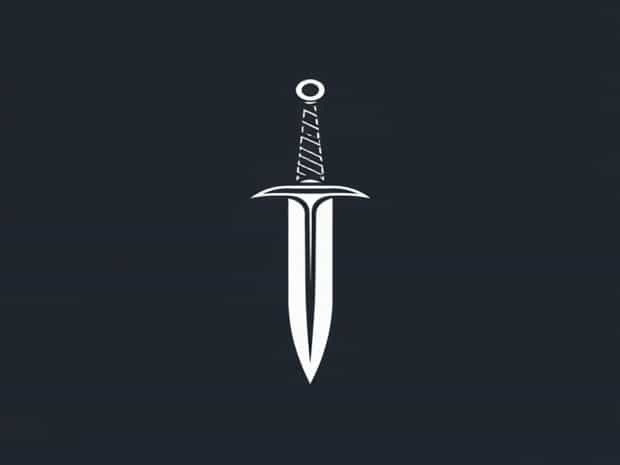
The dagger hilt is an essential component of a dagger, playing a crucial role in both the weapon’s functionality and its aesthetic appeal. Often overlooked by casual observers, the hilt is the part of the dagger that the user grips, providing control, balance, and safety. Throughout history, dagger hilts have evolved in design and material, reflecting the cultures and purposes for which they were made. Understanding what a dagger hilt is involves exploring its structure, types, historical significance, and the materials used in its construction, all of which contribute to the dagger’s overall performance and style.
Structure of a Dagger Hilt
The dagger hilt generally consists of three main parts the guard, the grip, and the pommel. Each component has a specific function that enhances the dagger’s usability.
Guard
The guard is the part of the hilt located between the blade and the grip. Its primary purpose is to protect the user’s hand from sliding onto the blade during thrusting or stabbing motions. Guards can be simple crossbars or more elaborate designs featuring curves, loops, or quillons. Some guards also serve as defensive tools in combat, allowing the wielder to parry or trap an opponent’s weapon.
Grip
The grip is the section of the hilt that the user holds. Comfort and ergonomics are critical in grip design, as a secure hold ensures better control and precision when using the dagger. Grips can be straight, curved, or contoured to fit the hand, and they are often wrapped in materials like leather, wire, wood, or bone to prevent slipping and enhance comfort.
Pommel
The pommel is the end portion of the hilt, opposite the blade. It serves multiple purposes it acts as a counterweight to the blade for better balance, helps secure the blade tang, and in some designs, can be used as a striking tool. Pommels come in various shapes, such as rounded, faceted, or decorative motifs, often reflecting the dagger’s style or the social status of its owner.
Types of Dagger Hilts
Dagger hilts vary greatly depending on the time period, culture, and intended use of the dagger. Here are some common types
- Cross-HiltCharacterized by a straight guard, often forming a simple cross, providing both protection and stability.
- Knuckle-HiltFeatures a curved guard that protects the knuckles, often used in military or combat daggers.
- Ring-HiltIncorporates a ring or loop around the guard for additional hand protection, sometimes seen in ceremonial or dueling daggers.
- Skeleton HiltAn open framework design that reduces weight while maintaining functionality and style, commonly found in Renaissance daggers.
Historical Significance
The dagger hilt is not merely functional; it also carries historical and cultural significance. In medieval Europe, ornate hilts signified wealth, status, and craftsmanship. Royalty and knights often carried daggers with gilded or gem-encrusted hilts. In other cultures, such as the Middle East or Asia, dagger hilts reflected artistic traditions and martial practices, with intricate carvings and symbolic motifs. The design of a hilt often revealed the dagger’s purpose, whether for combat, ceremonial use, or self-defense.
Materials Used in Dagger Hilts
Daggers have been crafted using a wide range of materials for their hilts, each chosen for durability, aesthetics, and practicality
- WoodCommonly used for its availability and ease of shaping. Often wrapped in leather or cord for better grip.
- Bone and IvoryValued for their smooth texture and decorative appeal, often used in ceremonial or high-status daggers.
- MetalProvides strength and durability. Metals like brass, steel, and silver are frequently used for guards and pommels.
- Leather and Cord WrappingsEnhance grip comfort and prevent slipping, especially in combat situations.
- Gemstones and Decorative InlaysUsed in ornamental daggers to signify status, wealth, or craftsmanship.
Modern Daggers and Hilts
Today, dagger hilts continue to combine practicality with design. Modern tactical and survival daggers often feature ergonomic grips made of synthetic materials like rubber, polymer, or G-10 to provide a secure hold under various conditions. Military daggers may include functional features like finger grooves or textured surfaces to enhance performance. Meanwhile, collectors and enthusiasts value historically accurate reproductions that highlight the artistry and historical accuracy of traditional hilt designs.
The dagger hilt is a fundamental element that defines a dagger’s usability, balance, and appearance. From the guard and grip to the pommel, each component is designed to provide safety, control, and effectiveness while also reflecting the dagger’s cultural and historical context. Whether viewed as a functional weapon, a piece of art, or a collector’s item, the hilt remains central to the dagger’s identity. Understanding the intricacies of dagger hilts allows enthusiasts, historians, and users alike to appreciate their craftsmanship, purpose, and enduring significance throughout history.