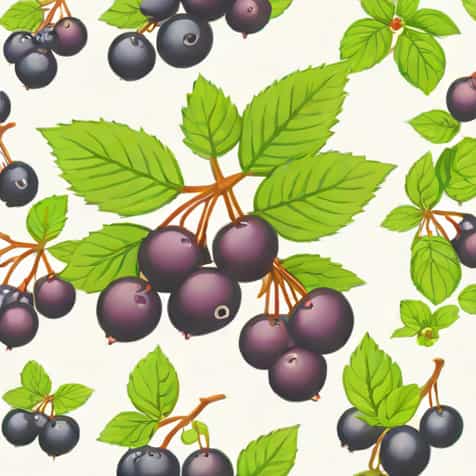
The Saskatoon berry is a small but remarkable fruit that has captured the interest of farmers, foragers, and health enthusiasts alike. Native to North America, this berry has been valued for centuries for its nutritional content, unique taste, and versatility in cooking. While it may resemble blueberries at first glance, the Saskatoon berry carries its own history, cultural significance, and benefits that make it stand out. Exploring what a Saskatoon berry is helps us better appreciate not just the fruit itself, but also the traditions and environments in which it thrives.
Understanding the Saskatoon Berry
The Saskatoon berry comes from a shrub known scientifically asAmelanchier alnifolia. This hardy plant belongs to the rose family and is well adapted to the cold climates of Canada and the northern United States. The berries grow in clusters and ripen in early summer, typically from June to July. They are small, round, and dark purple when mature, often mistaken for blueberries because of their color and size. However, their flavor profile sets them apart.
Flavor Profile
The taste of Saskatoon berries is often described as a mix of sweet and nutty, with subtle hints of almond. Unlike the sharp tang sometimes associated with blueberries, Saskatoon berries have a milder sweetness balanced with earthy undertones. This makes them excellent for both fresh eating and culinary use.
Appearance and Growth
Saskatoon bushes can grow up to several meters tall and are known for their resilience in harsh conditions. In spring, they produce clusters of white flowers that later give way to the deep-colored berries. Their hardy nature allows them to thrive in prairie landscapes, mountain slopes, and even less fertile soils, making them a valuable plant for cultivation in colder regions.
Cultural and Historical Importance
For centuries, Saskatoon berries have been more than just food-they have been a vital part of cultural traditions. Indigenous peoples of North America relied heavily on them as a staple in their diets. The berries were consumed fresh, dried for later use, or mixed into dishes for added flavor and nutrition.
Use in Traditional Foods
One of the most important historical uses of Saskatoon berries was in pemmican, a high-energy food made from dried meat, fat, and berries. This preserved food sustained Indigenous communities during harsh winters and long journeys. The berries’ nutritional value and ability to store well made them an essential ingredient for survival.
Symbolic Value
The name Saskatoon itself is derived from the Cree word misâskwatômina, highlighting the berry’s deep connection to Indigenous languages and traditions. Over time, the berry has also become a regional symbol in parts of Canada, particularly in the prairie provinces, where it continues to grow abundantly.
Nutritional Value of Saskatoon Berries
Saskatoon berries are not only tasty but also packed with nutrients. They are considered a superfruit because of their dense nutritional profile, which rivals many better-known berries.
Key Nutrients
- High levels of dietary fiber, which support healthy digestion.
- Rich in antioxidants, particularly anthocyanins, which contribute to their deep purple color.
- Good source of vitamins, including vitamin C and vitamin A.
- Contain essential minerals such as iron, magnesium, and calcium.
Health Benefits
Because of their nutritional content, Saskatoon berries are believed to support overall health in multiple ways
- Heart healthThe antioxidants and fiber help reduce the risk of cardiovascular issues.
- Anti-inflammatory effectsCompounds in the berries may help lower inflammation in the body.
- Blood sugar regulationThe balance of natural sugars and fiber makes them suitable for moderating energy release.
- Bone strengthThe presence of calcium and magnesium supports skeletal health.
Culinary Uses of Saskatoon Berries
One of the reasons Saskatoon berries have remained popular is their versatility in the kitchen. Their naturally sweet and nutty flavor complements both sweet and savory dishes.
Fresh Eating
Many people enjoy Saskatoon berries straight from the bush. Their pleasant flavor makes them a refreshing snack, and they can easily be added to fruit bowls or smoothies.
Baked Goods
These berries shine in baked items such as pies, muffins, and tarts. In fact, Saskatoon berry pie is a traditional favorite in Canadian prairie kitchens, often served with whipped cream or ice cream.
Preserves and Beverages
Saskatoon berries can be made into jams, jellies, syrups, and even wines. Their natural sweetness makes them ideal for preserving, and their vibrant color adds visual appeal to these products. In recent years, Saskatoon berry wine and liqueurs have become unique specialties in regions where the berries grow.
Growing and Harvesting Saskatoon Berries
For those interested in cultivating Saskatoon berries, the shrubs offer both practicality and beauty. They are relatively low-maintenance plants, making them attractive for home gardens and commercial orchards alike.
Growing Conditions
The plants prefer well-drained soil and full sunlight but can tolerate a range of soil types and weather conditions. They are highly adaptable, which is why they are commonly found across the prairies and northern regions of North America.
Harvesting
Harvest typically occurs in early to mid-summer when the berries reach a deep purple color. They are hand-picked or mechanically harvested in commercial operations. Timing is important, as berries left too long on the bush can become overripe and lose flavor.
Economic Significance
In Canada, particularly in Saskatchewan, Alberta, and Manitoba, Saskatoon berries have developed into a niche agricultural industry. Farmers grow them commercially for fresh markets, processed goods, and exports. Agritourism, such as U-pick farms, has also helped boost awareness of these berries and contributed to local economies.
Export Potential
Although less globally recognized than blueberries or cranberries, Saskatoon berries are slowly gaining international interest. Their unique flavor, nutritional profile, and cultural story make them appealing in specialty food markets.
Comparison with Other Berries
While Saskatoon berries are often compared to blueberries, they stand apart in several ways
- Saskatoon berries have a nuttier, almond-like flavor compared to the tangy sweetness of blueberries.
- They contain higher levels of fiber and certain minerals.
- The shrubs are more cold-resistant and adaptable to prairie climates.
The Saskatoon berry is far more than a simple fruit. It is a piece of cultural heritage, a nutritional powerhouse, and a versatile ingredient with growing recognition. From its historical role in Indigenous traditions to its modern presence in agriculture and cuisine, the Saskatoon berry continues to leave an impact. Whether enjoyed fresh from the bush, baked into a pie, or preserved for later use, it provides both flavor and nourishment. Exploring the story of the Saskatoon berry reminds us of the value of regional fruits and their role in connecting people to the land and to each other.
In the end, to ask What is a Saskatoon berry? is to uncover a blend of history, health, and flavor that deserves appreciation. As more people discover its unique qualities, this berry will continue to grow in popularity, standing proudly alongside the world’s most celebrated fruits.