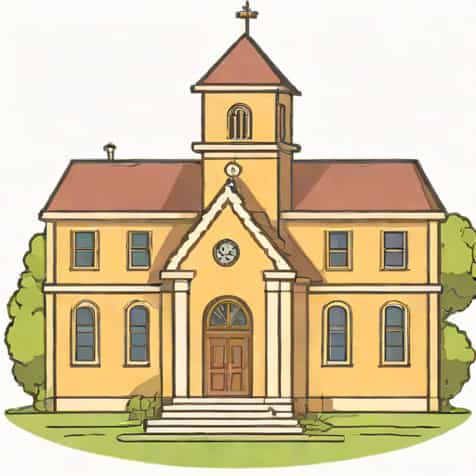
Many people hear the word rectory when visiting a church or reading about church life, yet they are not always sure what it means. The term sounds formal and old-fashioned, which can make it feel distant from everyday experience. Still, the rectory plays an important role in the life of many Christian churches. Understanding what a rectory is in a church helps explain how clergy live, work, and remain connected to the communities they serve.
Basic Definition of a Rectory
A rectory is traditionally the residence of a priest, pastor, or rector who serves a local church or parish. It is usually located near or next to the church building, allowing clergy to live close to their place of ministry.
The word rectory comes from the term rector, which refers to a clergy member with responsibility for a parish. Over time, the word came to describe not only the person but also the house provided for them.
The Purpose of a Rectory
The main purpose of a rectory is to provide housing for clergy so they can focus on their spiritual and pastoral duties. Living near the church allows easy access for worship services, counseling, and emergencies.
A rectory also serves as a practical support for ministry. By providing a residence, the church helps ensure that clergy are available to the congregation when needed.
More Than Just a House
While a rectory is a home, it is often more than a private living space. It may include areas for meetings, study, prayer, and hospitality. This reflects the close connection between personal life and ministry.
Rectory in Different Christian Traditions
The use of a rectory varies across Christian denominations. In Roman Catholic, Anglican, and Episcopal traditions, rectories are common and often well-defined. In some Protestant churches, similar residences exist but may be called parsonages or manse.
Despite differences in terminology, the purpose remains similar providing housing that supports pastoral work.
Historical Background of Rectories
Historically, rectories developed as churches became more established in local communities. In medieval Europe, clergy were often granted land or homes as part of their service.
These arrangements helped ensure stability within the parish. The presence of a rectory symbolized a long-term relationship between the church and its spiritual leader.
Rectory and Parish Life
The rectory is closely connected to parish life. Because clergy live nearby, they are more integrated into the daily rhythms of the community. Parishioners may visit the rectory for counseling, meetings, or informal gatherings.
This proximity fosters stronger relationships and a sense of accessibility. The rectory becomes a place where spiritual guidance and everyday life intersect.
- Housing for clergy
- Support for pastoral duties
- Connection to the local community
- Space for ministry-related activities
Rectory Versus Parsonage
Many people wonder about the difference between a rectory and a parsonage. In practice, the terms are often used interchangeably. A parsonage generally refers to a home provided for a pastor, especially in Protestant churches.
A rectory is more commonly associated with traditions that use the title rector. The distinction is largely historical and denominational rather than functional.
Life Inside a Rectory
Life in a rectory blends personal and professional responsibilities. Clergy families often share the space with church-related activities, such as meetings or small gatherings.
This arrangement requires balance. While the rectory is a home, it is also a visible part of church life, which can shape how clergy experience privacy and rest.
Hospitality and Service
Rectories have traditionally been places of hospitality. Clergy may host guests, offer counseling, or provide meals to those in need. This hospitality reflects the church’s mission of care and service.
Architectural Features of Rectories
Rectories vary widely in design, depending on location, era, and resources. Some are large historic buildings, while others are modest houses.
Common features may include a study or office, meeting rooms, and guest space. These features support the practical needs of ministry.
Maintenance and Ownership
In most cases, the rectory is owned by the church or diocese rather than the individual clergy member. The church is responsible for maintenance, repairs, and major expenses.
This arrangement allows clergy to focus on their work without the burden of property ownership, though expectations may vary by denomination.
Rectory in Modern Church Life
In modern times, the role of the rectory has evolved. Some churches choose to provide housing allowances instead of maintaining a rectory. Others continue the tradition as a sign of stability and community presence.
Changes in family structures, mobility, and financial considerations influence how rectories are used today.
Advantages of a Rectory
There are several advantages to having a rectory. Proximity to the church allows quick response to pastoral needs. It also reinforces the idea of clergy as part of the community rather than distant figures.
For smaller churches, a rectory can be a cost-effective way to support clergy.
Challenges of Rectory Living
Despite its benefits, rectory living can present challenges. Limited privacy, constant availability, and blurred boundaries between work and home are common concerns.
Churches and clergy often work together to establish healthy boundaries that respect personal time and family life.
Symbolic Meaning of the Rectory
Beyond its practical function, the rectory holds symbolic meaning. It represents commitment, presence, and continuity. The clergy member’s residence near the church reinforces their role as a spiritual guide within the community.
This symbolism has contributed to the lasting importance of rectories in church tradition.
Rectory and Community Trust
Living in a rectory can build trust between clergy and congregation. Being physically present signals availability and dedication.
This closeness helps clergy understand the needs and concerns of the people they serve.
Rectory and Changing Times
As society changes, churches continue to reassess the role of the rectory. Urban settings, dual-career families, and financial pressures influence decisions about clergy housing.
Even so, the core purpose remains the same supporting ministry and community connection.
Why Understanding a Rectory Matters
Understanding what a rectory is in a church provides insight into how churches function behind the scenes. It reveals the practical structures that support spiritual leadership.
This knowledge helps demystify church life and fosters appreciation for the ways communities care for their leaders.
So, what is a rectory in a church? It is primarily the residence provided for a clergy member, designed to support their spiritual, pastoral, and community responsibilities. While its form and use may vary, the rectory remains an important part of church life.
By offering both practical support and symbolic presence, the rectory reflects the close relationship between clergy and congregation. Understanding its role helps readers appreciate how faith, service, and daily life are woven together within the church community.