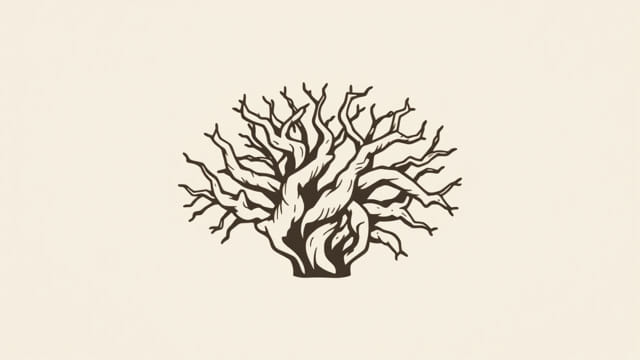
A gnarled thicket is more than just a tangled patch of vegetation. It evokes imagery of dense, twisted branches, thorny shrubs, and wild growths that resist easy passage. Found in both natural and fictional landscapes, a gnarled thicket can serve as a symbol of mystery, danger, or even untouched beauty. Understanding what defines a gnarled thicket involves exploring its structure, natural role, cultural references, and why it holds such a strong place in literature and ecological systems. Whether you’re an outdoor enthusiast or a curious reader, uncovering the meaning of this term offers fascinating insight into both nature and language.
Definition and Characteristics
What Is a Gnarled Thicket?
A gnarled thicket is typically described as a dense cluster of vegetation often shrubs, trees, or bushes that has grown in a tangled, knotted, or twisted way. The word gnarled refers to something rugged or knobby, especially branches that are aged, weathered, or misshapen. Thicket refers to a closely packed group of trees or bushes. Together, the phrase paints a picture of a tough, wild, and nearly impenetrable mass of natural growth.
Visual and Physical Traits
- Dense foliage: Thick leaves and branches that form a near wall of greenery.
- Twisted branches: Limbs that grow in irregular patterns, often with sharp angles.
- Low light penetration: Because of the thick vegetation, little sunlight reaches the ground.
- Wild underbrush: Grasses, vines, and smaller plants typically fill the gaps between trees.
Natural Occurrence
Where Are Gnarled Thickets Found?
Gnarled thickets appear in various parts of the world, particularly in regions where vegetation is left to grow without human interference. They are commonly found in forests, along riverbanks, or at the edges of agricultural land. These dense growths often arise in areas with consistent rainfall and nutrient-rich soil, though some thickets can thrive in dry, rocky regions as well.
Ecological Role
In nature, gnarled thickets play a crucial role in the ecosystem. They serve as shelter for small animals, birds, and insects. The dense structure protects wildlife from predators and harsh weather. Moreover, they help prevent soil erosion, preserve moisture, and promote biodiversity by supporting a wide variety of plant species in close proximity.
Symbolism and Cultural Significance
Gnarled Thickets in Literature
Gnarled thickets often appear in stories and myths, particularly those with forest or wilderness settings. They symbolize the unknown, acting as barriers to characters or as places of hidden secrets. In fairy tales and fantasy literature, thickets might conceal magical creatures, secret paths, or dangers that test the courage of heroes.
Spiritual and Mystical Associations
In some traditions, gnarled thickets are believed to be places where spirits dwell or where the boundary between the physical and spiritual worlds is thin. Their dark, dense nature gives them a mystical quality, often depicted as gateways or hidden realms in folklore.
Human Interaction and Challenges
Navigation Difficulty
Traveling through a gnarled thicket is physically demanding. The twisted branches and thorny plants can block paths, snag clothing, or even cause injury. Hikers and explorers often avoid these areas unless equipped with proper gear such as machetes, long sleeves, and durable boots.
Clearing and Management
In agriculture or land development, gnarled thickets may need to be cleared. However, this process can be labor-intensive due to the dense wood and underbrush. Some conservationists argue for protecting thickets because of their ecological value, encouraging selective thinning instead of full removal.
Examples of Gnarled Thickets in Nature
Old-Growth Forests
In old forests where trees have lived for centuries, their lower branches often become gnarled and tangled. Moss, lichen, and vines can add to this rugged appearance, especially in temperate rainforests or mountainous terrain.
Bramble Patches
Thickets made of blackberry or raspberry bushes form tangled, thorny masses that are nearly impossible to cross without injury. These can be considered gnarled thickets due to their chaotic growth and dense structure.
Desert Shrublands
Even arid areas can feature gnarled thickets made of hardy shrubs like mesquite or sagebrush. Their twisted trunks and low-hanging branches contribute to the gnarled aesthetic, especially in older or undisturbed areas.
Why Gnarled Thickets Matter
Ecological Importance
Despite appearing unruly or messy, gnarled thickets are rich in life. They provide vital resources to local wildlife and often act as natural windbreaks or firebreaks. Their complexity supports ecological resilience by housing diverse organisms within a confined area.
Cultural Inspiration
Beyond nature, these tangled groves inspire artists, writers, and filmmakers. Their unique shapes and the emotions they evoke mystery, danger, protection make them powerful metaphors for personal or emotional journeys.
Conservation Value
As wild spaces disappear due to urbanization and agriculture, preserving gnarled thickets becomes important for maintaining native habitats. Environmental organizations may advocate for protecting such areas as part of broader conservation strategies.
How to Identify a Gnarled Thicket
Tips for Recognition
- Look for irregularly shaped branches or twisted tree trunks.
- Note the density of vegetation if you can’t see more than a few feet in, it’s likely a thicket.
- Check for signs of animal activity such as burrows, nests, or rustling in the brush.
- Observe the ground gnarled thickets often have thick underbrush and decaying leaves.
Safety Precautions
If you encounter a gnarled thicket while hiking or exploring, be cautious. These areas may hide uneven ground, venomous creatures, or sharp thorns. Stick to marked trails unless you’re experienced in off-trail navigation. If entering a thicket is necessary, bring a walking stick and wear protective clothing.
A gnarled thicket may look chaotic, but it is a rich and complex part of the natural world. With their twisted shapes, dense growth, and ecological importance, they challenge our perception of what is wild and untamed. Whether serving as a backdrop in literature or as a haven for wildlife, gnarled thickets remain both useful and meaningful. For anyone exploring nature, understanding these tangled groves adds depth to the experience and highlights the intricate relationships between plant life, animals, and the environment. Recognizing and respecting these wild spaces enriches both ecological awareness and human imagination.