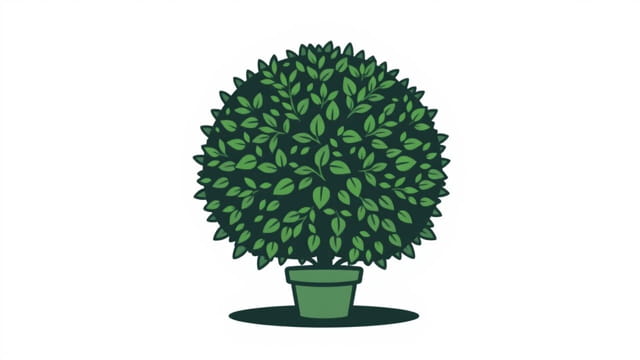
One of the most elegant and eye-catching additions to any garden or landscape design is the Eugenia topiary. Known for its compact foliage and its ability to be shaped into various ornamental forms, the Eugenia topiary has become a favorite among home gardeners, landscapers, and interior decorators alike. Whether displayed on patios, flanking entryways, or enhancing indoor spaces, this evergreen plant offers aesthetic appeal and versatility. To fully appreciate its beauty and function, it’s important to understand what a Eugenia topiary is, how it is cultivated, and how to care for it throughout the year.
Understanding the Eugenia Topiary
What Is a Eugenia Topiary?
A Eugenia topiary is a living sculpture made from the Eugenia plant, typicallyEugenia myrtifolia, also known as brush cherry. This plant is native to Australia but has been widely cultivated in warmer regions around the world. Eugenia is a fast-growing evergreen shrub or small tree with dense, glossy green leaves that make it ideal for topiary work. When trained and pruned regularly, it can be shaped into balls, cones, spirals, and other decorative forms.
The term topiary refers to the horticultural practice of clipping and training plants into clearly defined shapes. In the case of the Eugenia topiary, this practice results in a refined and elegant plant that can serve as a focal point in formal gardens or modern outdoor spaces.
Botanical Characteristics
Eugenia plants typically grow upright with tight foliage, making them easy to sculpt and maintain. They may produce small white flowers and, in some climates, red or purple berries. The plant’s ability to withstand trimming and its consistent leaf growth pattern contribute to its popularity for topiary designs.
Common Shapes and Styles
Popular Topiary Forms
Eugenia topiaries come in many shapes to suit different aesthetic preferences and design themes. Common forms include:
- Single Ball: A rounded shape atop a straight stem, perfect for formal entryways or potted displays.
- Double or Triple Ball: Two or three evenly spaced spheres on a vertical stem, adding visual height and drama.
- Spiral: A twisted, winding form that gives a more whimsical or modern look.
- Cone or Pyramid: A tall, triangular shape often used in classic gardens and symmetrical layouts.
These styles are often achieved through frequent trimming and shaping using garden shears and patience over time. Once the desired shape is formed, maintenance pruning is needed to preserve its appearance.
How to Grow a Eugenia Topiary
Planting and Growing Conditions
Eugenia topiary thrives in warm, sunny environments with well-drained soil. It prefers USDA hardiness zones 9 to 11, which means it is not frost-tolerant. However, it can be grown in containers and brought indoors during colder months in cooler climates.
To grow a healthy Eugenia topiary:
- Choose a container with proper drainage or plant it in a garden bed with good airflow.
- Use rich, slightly acidic to neutral soil with organic matter.
- Place it in a location that receives at least six hours of sunlight per day.
- Water regularly, but avoid waterlogged soil which can lead to root rot.
Fertilizing and Feeding
A balanced fertilizer, applied during the growing season (spring through fall), will encourage dense, healthy foliage. Slow-release or liquid fertilizers both work well. Always follow package instructions and avoid overfeeding, as this can damage roots or cause excessive, weak growth.
Care and Maintenance
Trimming and Shaping
Maintaining the shape of a Eugenia topiary requires consistent pruning. Use clean, sharp shears and trim lightly every few weeks during the growing season. This keeps the plant tidy and encourages fuller growth. When creating new shapes, trim gradually and avoid cutting too deeply at once.
Topiary shapes are not formed overnight. For beginners, starting with a young plant and shaping it slowly over months or years is recommended. Wire frames can help guide the shape, especially for intricate forms like spirals or animals.
Pest and Disease Control
Eugenia is generally pest-resistant but may occasionally be affected by scale insects, spider mites, or aphids. Inspect the leaves regularly, especially if the plant is indoors. Use insecticidal soap or neem oil if needed. Good airflow, sunlight, and proper watering reduce the risk of fungal issues such as powdery mildew.
Indoor vs. Outdoor Care
When grown indoors, Eugenia topiaries need bright light and careful watering. Indoor air tends to be drier, so misting or using a humidifier can help. Rotate the plant periodically to ensure even growth on all sides. Outdoors, protection from strong winds and temperature extremes is important.
Benefits of Growing a Eugenia Topiary
Visual Appeal
The clean lines and symmetrical shapes of Eugenia topiaries bring structure and beauty to both indoor and outdoor spaces. Whether placed in a formal garden, a patio corner, or beside a front door, they offer timeless charm.
Low Maintenance for Long-Term Beauty
Once established and shaped, Eugenia topiaries are relatively easy to maintain. With occasional trimming and consistent watering, they retain their form and vibrancy for years.
Versatility in Landscape Design
Eugenia topiaries blend well with various garden styles from traditional to contemporary. They can be used as standalone features, in symmetrical arrangements, or as living art pieces in creative garden layouts.
Tips for Beginners
Starting Your First Topiary
If you’re new to topiary gardening, it’s wise to start with a simple shape like a single ball. Choose a healthy, young Eugenia plant and use hand pruners to begin shaping it over time. Don’t rush the process patience is key to creating a well-formed design.
Make sure to research the specific climate needs of Eugenia in your region. If you’re in a colder zone, plan to grow it in a movable container so you can protect it during winter.
Monitoring Growth
Watch for uneven growth and adjust your trimming accordingly. If one side grows faster than the other, rotate the plant more frequently or trim more heavily on that side. Consistency in care will lead to better results.
A Eugenia topiary is more than just a plant it’s a living piece of art. With its dense foliage and natural growth habit, Eugenia is ideal for creating elegant shapes that enhance any space. Whether used in a garden, on a patio, or indoors, it offers beauty, structure, and a touch of creativity. By understanding its growing needs and learning the art of shaping and trimming, anyone can enjoy the rewards of cultivating this stunning ornamental plant. From beginners to experienced gardeners, the Eugenia topiary remains a timeless favorite in the world of horticulture and landscape design.