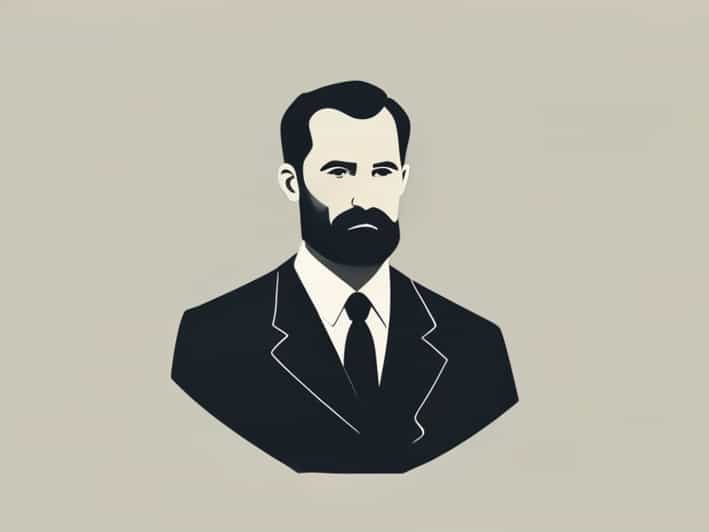
Theodore Roosevelt, the 26th President of the United States, is often remembered for his dynamic leadership, progressive reforms, and conservation efforts. Yet, when he spoke of conservatism, he referred to a deeper, philosophical understanding that goes beyond mere political labels. For Roosevelt, conservatism was not simply a resistance to change but a principle grounded in prudence, responsibility, and the preservation of essential societal and natural institutions. It reflected his belief in balancing progress with stability, ensuring that reforms served the long-term welfare of the nation without undermining core values or institutions. This topic explores what Theodore Roosevelt meant by conservatism and how it influenced his policies and public philosophy.
The Philosophical Roots of Roosevelt’s Conservatism
Roosevelt’s notion of conservatism was rooted in the broader historical and philosophical understanding of the term. Unlike the modern political dichotomy, which often positions conservatism against liberalism, Roosevelt saw it as a guiding principle emphasizing prudence, careful stewardship, and moral responsibility. He believed that society’s institutions-government, law, property, and the environment-should be preserved and managed wisely to ensure stability, continuity, and the common good.
Key Principles of Roosevelt’s Conservatism
- Preservation of natural and social resources for future generations.
- Prudent reform rather than radical change, balancing progress with stability.
- Ethical responsibility in leadership and governance.
- Support for institutions that maintain social order and public welfare.
Conservatism and Progressive Reform
Roosevelt’s conservatism is often seen in apparent tension with his progressive policies, such as trust-busting, labor reforms, and regulatory measures. However, Roosevelt’s perspective reconciled these actions within a conservative framework he sought to conserve the core principles of democracy, fairness, and social cohesion while removing corrupt or destructive practices that threatened them. Conservatism, in Roosevelt’s view, did not mean inaction but careful intervention to maintain the nation’s long-term stability.
Examples in Policy
- Trust-busting Breaking monopolies to preserve fair competition and protect the public interest.
- Labor reforms Introducing regulations to safeguard workers’ rights while maintaining industrial productivity.
- Conservation efforts Establishing national parks and protected areas to preserve natural resources for future generations.
- Regulation of business practices Implementing oversight to prevent abuses without stifling economic growth.
Conservation of Nature and Resources
One of the clearest expressions of Roosevelt’s conservatism was his commitment to environmental conservation. He believed that natural resources were public assets that needed protection from over-exploitation and mismanagement. By advocating for national parks, wildlife refuges, and sustainable forestry practices, Roosevelt demonstrated that conservatism involved not just maintaining the status quo but actively safeguarding critical elements of the nation’s heritage. This approach reflected a forward-looking prudence, combining conservation with the idea of public responsibility.
Legacy in Environmental Policy
- Creation of national parks, forests, and monuments to preserve natural beauty and biodiversity.
- Promotion of sustainable resource management to prevent depletion.
- Balancing industrial development with environmental stewardship.
- Public education about the importance of conserving nature for future generations.
Conservatism as Moral Responsibility
Roosevelt’s conservatism also encompassed ethical and moral dimensions. He believed that political and social leaders had a duty to act responsibly, guided by integrity and the long-term interests of society. Conservatism, in this sense, was about stewardship the careful management of power, resources, and institutions to prevent harm and ensure equitable outcomes. This moral component distinguished Roosevelt’s conservatism from mere adherence to tradition or resistance to change.
Principles of Ethical Conservatism
- Leaders must prioritize public welfare over personal or partisan interests.
- Reforms should correct abuses without destabilizing essential institutions.
- Ethical governance requires accountability, transparency, and foresight.
- Preserving social cohesion and national unity is a key responsibility of leadership.
Balancing Change and Stability
Central to Roosevelt’s concept of conservatism was the balance between necessary change and the preservation of core institutions. He recognized that societies must evolve to address new challenges, but reforms should be implemented thoughtfully to maintain continuity. This balance was evident in his approach to industrial regulation, social justice, and foreign policy. Roosevelt’s conservatism was pragmatic, combining respect for tradition with an understanding of the inevitability and necessity of progress.
Applications in Governance
- Careful regulation of monopolies while encouraging economic growth.
- Promotion of social reforms, such as child labor laws, to protect vulnerable populations.
- Foreign policy grounded in national interest and stability rather than radical experimentation.
- Support for civic institutions that provide continuity amidst social and technological change.
Conservatism and American Identity
Roosevelt’s conservatism was deeply tied to his vision of American identity. He saw the nation’s strength as dependent on moral character, civic duty, and the preservation of democratic institutions. Conservatism, therefore, was not merely a political stance but a philosophy of national stewardship. By conserving the principles of liberty, justice, and responsibility, Roosevelt aimed to ensure that the United States remained resilient, ethical, and capable of addressing the challenges of the 20th century and beyond.
Impact on National Policy
- Strengthening institutions like the presidency and federal agencies to maintain effective governance.
- Fostering a sense of civic responsibility among citizens.
- Encouraging patriotism grounded in ethical principles rather than blind nationalism.
- Integrating social and environmental reforms to preserve long-term national stability.
Theodore Roosevelt’s concept of conservatism was far more nuanced than a simple adherence to tradition or resistance to change. For Roosevelt, conservatism meant prudence, moral responsibility, and the careful stewardship of society’s resources, institutions, and values. It emphasized preserving essential principles while embracing necessary reforms to protect public welfare and national integrity. Through his policies, speeches, and personal philosophy, Roosevelt demonstrated that true conservatism is dynamic and forward-looking, seeking to balance progress with stability, reform with preservation, and action with ethical responsibility. Understanding Roosevelt’s conservatism provides insight into the principles that guided his leadership and the enduring legacy of his vision for the United States.