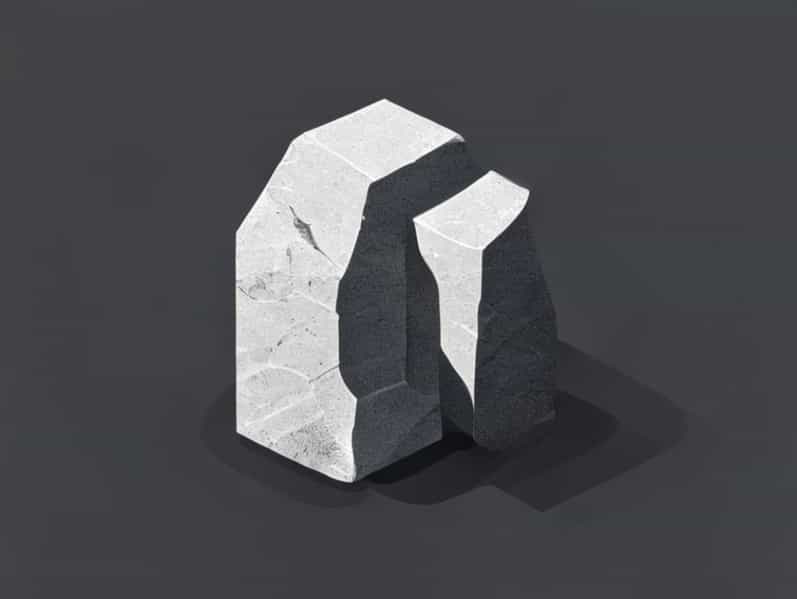
Limestone is one of the most widely used natural resources, yet many people are unaware of how often it appears in everyday life. From the buildings we live in to the products we rely on daily, this sedimentary rock plays a crucial role in modern society. Its versatility comes from its composition-mainly calcium carbonate-which gives it properties valuable in construction, agriculture, industry, and environmental management. Understanding the uses of limestone helps highlight why this material remains essential across many sectors and continues to support innovation and development.
Limestone in Construction
Building Material
One of the most recognizable uses of limestone is as a building material. For centuries, it has been used to construct monuments, homes, and public structures due to its durability and ease of shaping. Today, limestone blocks and tiles remain popular choices for exterior walls, flooring, and decorative elements. Its natural color range and textured appearance allow architects to create both traditional and modern designs. In addition, limestone resists weathering, making it suitable for long-lasting installations.
Cement Production
Limestone is a primary ingredient in the manufacturing of cement, an essential component of concrete. When limestone is heated in a kiln, it forms clinker, which is then ground into the fine powder used to create cement. Without limestone, the construction industry would struggle to produce the massive quantities of concrete required for roads, bridges, housing developments, and commercial buildings. This connection makes limestone a foundational part of global infrastructure.
Aggregate and Road Base
Crushed limestone is frequently used as an aggregate in road construction. Its strength and stability provide a solid foundation for highways and driveways. Because it compacts well and drains efficiently, it is also used for pathways, landscaping, and railway ballast. These uses highlight limestone’s role in transportation networks and urban planning.
Industrial Applications of Limestone
Steel Manufacturing
In the steel industry, limestone acts as a flux material during the smelting process. When added to the furnace, it helps remove impurities from iron ore by forming slag. This improves the quality of the final steel product. Many large-scale metalworking operations depend on limestone to ensure efficient production and high performance in the resulting metal alloys.
Glass Making
Another important industrial use of limestone is in glass manufacturing. Limestone provides calcium oxide, which helps improve glass durability and chemical resistance. By stabilizing the final product, limestone ensures that glass used in windows, bottles, and digital devices remains clear and strong. The addition of limestone also reduces the melting temperature, improving energy efficiency during production.
Paper and Paint Industry
Ground limestone is commonly used as a filler material in products like paper, paint, rubber, and plastics. In paper manufacturing, it helps create a smooth surface and enhances brightness. In paint, it improves consistency and helps achieve an even finish. These uses demonstrate how limestone supports industries that rely on refined, high-quality materials.
Agricultural Uses of Limestone
Soil Improvement
Agriculture depends heavily on limestone, particularly in regions where the soil is naturally acidic. When farmers spread powdered limestone over their fields, it neutralizes acidity and raises soil pH. This process, known as liming, enhances nutrient availability and improves crop growth. Healthy soil structure contributes to higher yields and more resilient plants. Many farms and gardens rely on limestone to maintain balanced soil conditions year after year.
Animal Feed Supplement
Crushed or powdered limestone is also used as a calcium supplement in livestock feed. Calcium carbonate supports bone development, eggshell formation in poultry, and overall animal health. By providing an accessible and natural source of minerals, limestone helps maintain strong and productive livestock industries.
Environmental Uses of Limestone
Water Treatment
Limestone plays a crucial role in environmental management, particularly in water treatment. It is used to reduce acidity in lakes, rivers, and streams affected by acid rain or industrial runoff. When added to water, limestone dissolves slowly, raising pH levels and helping restore natural ecosystems. Treatment plants also use limestone filters to remove impurities and improve water quality before it reaches households and businesses.
Air Pollution Control
In many industrial facilities, limestone is used in flue gas desulfurization systems to reduce sulfur dioxide emissions. When limestone reacts with these gases, it forms a harmless byproduct that can be removed easily. This process helps minimize air pollution and supports cleaner energy production. Its role in air quality management demonstrates limestone’s importance in protecting the environment.
Household and Everyday Uses
Cleaning and Polishing Products
Finely ground limestone appears in various household products, including cleaning powders and abrasives. Its gentle scrubbing ability makes it effective for polishing surfaces without causing damage. Because it is a natural and non-toxic mineral, limestone-based cleaners offer an environmentally friendly alternative to harsh chemicals.
Food and Personal Care Items
Calcium carbonate derived from limestone is used as an additive in many foods, including baking mixes, cereal, and nutritional supplements. It helps regulate acidity, improve texture, and fortify products with calcium. Limestone is also found in toothpaste, acting as a mild abrasive to remove plaque while protecting tooth enamel. These small but meaningful uses show how limestone contributes to daily routines.
Emerging and Specialized Applications
Carbon Capture and Green Technologies
As interest in sustainable technologies grows, limestone is being explored for its potential in carbon capture systems. Its chemical properties allow it to absorb and store carbon dioxide under certain conditions. Researchers and engineers continue to investigate ways to integrate limestone into environmentally friendly solutions, making it a promising material for future climate initiatives.
Neutralizing Industrial Waste
In various industrial settings, limestone helps neutralize acidic waste streams before disposal. This use prevents damage to pipelines, reduces environmental harm, and ensures compliance with safety regulations. By controlling acidity, limestone supports cleaner and safer industrial operations.
Limestone remains one of the most valuable natural resources due to its remarkable versatility. Its uses span construction, agriculture, industry, environmental protection, and everyday household products. As demand for sustainable materials continues to rise, limestone’s role may expand even further. Whether forming the foundation of a building, enriching soil, or supporting clean energy technologies, limestone continues to shape modern life in ways many people often overlook.