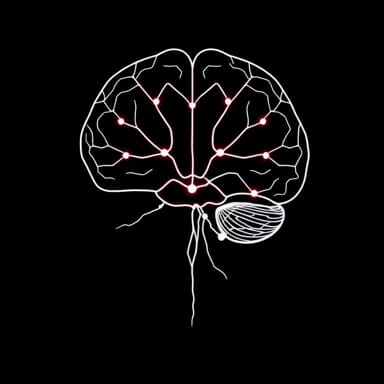
The ventral tegmental area (VTA) is a critical structure within the midbrain that plays a central role in the brain’s reward system, motivation, and emotional regulation. It is a hub for neurotransmitter activity, influencing mood, learning, and addictive behaviors. The VTA communicates with multiple brain regions, including the nucleus accumbens, prefrontal cortex, and amygdala, through a complex network of neurotransmitters. Understanding the specific neurotransmitters involved in VTA signaling, their functions, and their interactions is essential for both neuroscience research and clinical applications, particularly in the context of addiction, depression, and psychiatric disorders. These neurotransmitters form the biochemical foundation of behavior, motivation, and reinforcement mechanisms in humans and animals.
Overview of the Ventral Tegmental Area
The ventral tegmental area is located in the midbrain, adjacent to the substantia nigra and near the brainstem. It consists of heterogeneous populations of neurons, including dopaminergic, GABAergic, and glutamatergic cells. The VTA is a primary source of dopamine projections to limbic and cortical areas, which modulate reward processing, goal-directed behaviors, and emotional responses. Additionally, the VTA integrates signals from various neurotransmitter systems, shaping how the brain perceives and responds to environmental stimuli.
Anatomical Connections
- Nucleus AccumbensDopaminergic projections from the VTA to the nucleus accumbens are central to the reward circuitry and reinforcement learning.
- Prefrontal CortexConnections to the prefrontal cortex influence decision-making, executive functions, and working memory.
- AmygdalaVTA inputs to the amygdala modulate emotional processing, stress responses, and fear conditioning.
- HippocampusThe VTA interacts with the hippocampus to influence learning, memory consolidation, and contextual associations.
Dopamine and the VTA
Dopamine is the most studied neurotransmitter within the VTA and is pivotal for reward signaling and motivational behavior. Dopaminergic neurons in the VTA release dopamine in response to rewarding stimuli, novel experiences, and goal-directed activities. Dysregulation of VTA dopamine signaling is associated with psychiatric disorders such as addiction, schizophrenia, and depression.
Functions of Dopamine in the VTA
- Facilitates reward learning and reinforcement by signaling positive outcomes.
- Modulates motivation and effort-related decision-making.
- Supports synaptic plasticity in downstream regions, enhancing learning and memory formation.
- Contributes to the encoding of prediction errors, allowing the brain to adjust behavior based on expectations versus outcomes.
Dopamine Dysregulation and Clinical Implications
Altered dopaminergic activity in the VTA can lead to various neuropsychiatric conditions
- Addiction Overactivation of VTA dopamine neurons reinforces substance use and habitual behaviors.
- Depression Reduced dopamine signaling may contribute to anhedonia and lack of motivation.
- Schizophrenia Dysregulated dopamine pathways are implicated in cognitive deficits and psychotic symptoms.
GABAergic Neurons in the VTA
GABA (gamma-aminobutyric acid) is the primary inhibitory neurotransmitter in the brain, and VTA GABAergic neurons play a crucial role in modulating dopaminergic activity. By providing inhibitory control, GABA neurons help maintain the balance of excitation and inhibition within the reward circuitry, preventing excessive dopamine release.
Functions of GABA in the VTA
- Regulates the firing rate of dopaminergic neurons, ensuring proper reward signal modulation.
- Contributes to stress response and anxiety regulation by inhibiting hyperactive circuits.
- Maintains network stability and prevents aberrant signaling that could lead to neuropsychiatric symptoms.
Glutamate and Excitatory Inputs
Glutamate is the main excitatory neurotransmitter in the central nervous system and is vital for activating VTA neurons. Glutamatergic inputs to the VTA originate from multiple brain regions, including the prefrontal cortex and lateral hypothalamus, and are essential for the initiation of reward-related behaviors and learning.
Functions of Glutamate in the VTA
- Excites dopaminergic neurons to promote reward signaling and motivational behaviors.
- Facilitates synaptic plasticity and long-term potentiation in target regions such as the nucleus accumbens.
- Integrates contextual and environmental information, influencing adaptive behaviors.
Other Neurotransmitters in the VTA
In addition to dopamine, GABA, and glutamate, the VTA interacts with other neurotransmitter systems that modulate its activity and influence behavior
- SerotoninInputs from the dorsal raphe nucleus affect mood regulation and reward sensitivity.
- AcetylcholineCholinergic modulation enhances dopaminergic signaling and attentional processes.
- Opioid peptidesEndogenous opioids modulate VTA neuron excitability and reward perception.
- EndocannabinoidsInfluence synaptic plasticity and motivational behavior through retrograde signaling.
Neurotransmitter Interactions and Behavioral Outcomes
The interplay between multiple neurotransmitters in the VTA underlies complex behavioral outcomes. Dopamine serves as the central mediator of reward, while GABA and glutamate provide inhibitory and excitatory modulation, respectively. Other neurotransmitters fine-tune these signals, ensuring appropriate behavioral responses to environmental stimuli. Disruptions in this balance can lead to maladaptive behaviors, psychiatric disorders, and altered motivational states.
Reward and Addiction
The dopaminergic VTA pathway to the nucleus accumbens is critically involved in reward processing. Drugs of abuse, such as cocaine, amphetamines, and opioids, increase dopamine release in this pathway, reinforcing drug-seeking behaviors. GABA and glutamate regulation determines the intensity and duration of these signals, impacting the development of addiction.
Emotional Regulation and Stress Response
VTA neurotransmitters influence emotional states and stress coping mechanisms. Dopamine and serotonin modulate mood and anhedonia, while GABAergic inhibition helps control anxiety responses. Disruption of this network can contribute to depression, anxiety disorders, and stress-related pathologies.
Clinical Implications and Therapeutic Targets
Understanding VTA neurotransmitter dynamics has significant implications for treating neuropsychiatric disorders. Pharmacological interventions targeting dopaminergic, GABAergic, and glutamatergic signaling are under investigation to manage addiction, depression, and schizophrenia. Techniques such as deep brain stimulation and optogenetic modulation of VTA neurons show promise in restoring proper neurotransmitter balance and improving behavioral outcomes.
The ventral tegmental area is a pivotal brain region that orchestrates reward, motivation, and emotional regulation through a complex network of neurotransmitters. Dopamine serves as the primary signaling molecule, supported by GABAergic inhibition, glutamatergic excitation, and modulation from other neurotransmitter systems including serotonin, acetylcholine, and opioids. The balance of these neurotransmitters is essential for adaptive behavior, learning, and emotional health. Dysregulation of VTA neurotransmission can contribute to addiction, depression, anxiety, and other neuropsychiatric disorders. Advances in neuroscience continue to uncover the intricate interactions within the VTA, offering potential therapeutic avenues to restore neurotransmitter balance and improve clinical outcomes. Understanding the role of neurotransmitters in the VTA not only illuminates the biochemical basis of human behavior but also provides critical insights for developing treatments that target the brain’s reward and motivational systems.