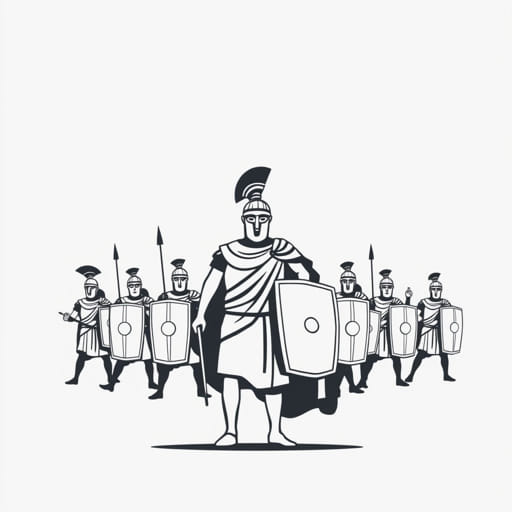
Using a troop led by Julius was a strategic decision that would ultimately shape the course of Roman history. Julius Caesar, a military commander known for his bold tactics and charismatic leadership, often spearheaded military operations with precision and authority. His troops were not just soldiers; they were an extension of his strategic mind, carrying out complex maneuvers and enduring grueling campaigns. Understanding the impact of using a troop led by Julius offers a closer look at Roman warfare, leadership dynamics, and the roots of political power in the ancient world.
The Rise of Julius Caesar’s Military Career
Early Service and Experience
Before becoming the renowned general and dictator of Rome, Julius Caesar built his military career on experience and political savvy. He began his service during the campaigns in Asia Minor and Hispania. These early missions allowed him to observe Roman military structure and earn a reputation for bravery and intelligence. Using a troop led by Julius in these early stages revealed his potential as a commander who combined calculated risk-taking with motivational skill.
Formation of the First Triumvirate
Caesar’s alliance with Pompey and Crassus, known as the First Triumvirate, was both a political and military move. It gave him access to the resources needed to lead legions into Gaul. Using a troop led by Julius during this period became synonymous with imperial ambition. His ability to raise and maintain disciplined forces was key to his success in expanding Roman territories.
Military Tactics and Strategy
Disciplined Troops and Logistics
One defining characteristic of using a troop led by Julius was the discipline instilled in the soldiers. Caesar’s troops were trained rigorously and expected to adapt quickly to changing battle conditions. His leadership emphasized the importance of camp organization, supply lines, and rapid construction of fortifications. These logistical capabilities allowed his forces to operate in hostile environments effectively.
Surprise and Adaptability
Julius Caesar often used unconventional tactics to gain the upper hand. During the Gallic Wars, for example, he crossed rivers thought to be impassable and launched surprise attacks. Using a troop led by Julius was not just about brute strength but strategic flexibility. He adapted to enemy movements, used deception, and shifted formations when necessary.
The Gallic Wars and the Power of a Loyal Army
Subjugating the Tribes
Caesar’s campaign in Gaul is a testament to the effectiveness of using a troop led by Julius. With the conquest of numerous Gallic tribes, he demonstrated his ability to lead massive military operations over years. His forces moved across diverse terrain, built temporary bridges over major rivers, and established winter camps to extend campaigns.
Building Loyalty and Morale
Troop morale was essential to Caesar’s success. He often shared the hardships of camp life with his men, earning their unwavering loyalty. The term a troop led by Julius became more than a literal command; it embodied a bond of trust and commitment between a general and his soldiers. This loyalty proved critical when Caesar later defied the Senate and crossed the Rubicon.
Crossing the Rubicon and Civil War
The Point of No Return
In 49 BCE, Caesar made the fateful decision to march on Rome, leading his troops across the Rubicon River. This act was considered treason by the Roman Senate but marked a turning point in Roman history. Using a troop led by Julius at this moment became a symbol of defiance and resolve. His men followed him not just as soldiers but as believers in his vision of Rome’s future.
Confronting Pompey’s Forces
The civil war that followed was brutal and widespread. Caesar’s forces faced those loyal to Pompey, once his political ally. Despite being outnumbered at times, Caesar’s troops, well-trained and strategically commanded, achieved several victories. The quality and unity of a troop led by Julius often overcame numerical disadvantages.
Dictatorship and Military Influence on Politics
From General to Dictator
Victory in the civil war enabled Caesar to seize control of the Roman government. Using a troop led by Julius thus became a metaphor for using military force to shape political power. His troops were instrumental not only in securing lands but in securing his position as dictator for life.
Military Reform and Centralization
Once in power, Caesar began reforms that would alter Rome’s military and governance structures. He granted land to veterans, restructured debt, and expanded the Senate. His reforms aimed to centralize authority and reward those who had fought under him. The long-term impact of using a troop led by Julius was not just conquest it reshaped Roman society and its military-political relationship.
Legacy and Historical Reflection
Influence on Future Commanders
Julius Caesar’s leadership style inspired many future military leaders. From Napoleon Bonaparte to modern generals, the concept of leading by example, strategic flexibility, and inspiring troop loyalty became a model of military excellence. Using a troop led by Julius came to represent leadership rooted in action, intellect, and charisma.
Historical and Cultural Legacy
Caesar’s story, preserved in texts like his own Commentarii de Bello Gallico, offers historians a detailed look into military campaigns and political maneuvering. The phrase a troop led by Julius continues to evoke images of disciplined legions, courageous leadership, and the balance of power between military and state. His assassination in 44 BCE by senators fearing tyranny did not erase his influence in fact, it cemented his legacy as one of history’s most impactful leaders.
Using a troop led by Julius was not simply about commanding an army; it represented a fusion of strategy, loyalty, vision, and power. Julius Caesar’s military leadership changed the landscape of the Roman Republic and laid the foundations for the Roman Empire. His ability to inspire troops, outthink his enemies, and harness military success for political gain made him a towering figure in history. Through every campaign, battle, and reform, Caesar demonstrated that the leadership of one man could alter the course of civilization.