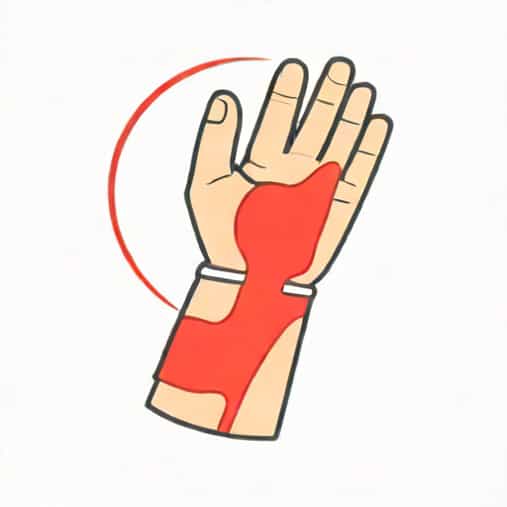
In emergency medical situations, controlling bleeding and immobilizing fractures are critical first aid procedures that can save lives and prevent further injury. When someone suffers a traumatic injury, such as a deep cut or a broken bone, immediate action is required to stabilize the patient before professional medical help arrives. Properly applied techniques to stop bleeding and immobilize fractures help prevent complications such as excessive blood loss, shock, or worsening of the injury. Understanding the methods, tools, and principles behind these life-saving interventions is essential for first responders, caregivers, and anyone interested in basic medical preparedness.
Stopping Bleeding
Bleeding, or hemorrhage, can quickly become life-threatening if not controlled. The body can only compensate for a limited amount of blood loss, and severe bleeding can lead to hypovolemic shock and death. First aid for bleeding focuses on slowing or stopping the flow of blood while minimizing additional trauma to the injured area.
Types of Bleeding
Understanding the type of bleeding is essential for applying the correct first aid technique. Bleeding can be classified as
- Arterial bleedingBright red, spurting blood that requires immediate pressure and professional attention.
- Venous bleedingDarker blood that flows steadily and can often be controlled with firm pressure.
- Capillary bleedingOozing blood from small vessels, usually less severe and easier to manage.
Methods to Stop Bleeding
There are several techniques used to stop bleeding, depending on the severity and location of the injury
- Direct pressureApplying firm pressure on the wound with a clean cloth or bandage to encourage clotting.
- ElevationRaising the injured limb above the level of the heart to reduce blood flow to the area.
- Pressure pointsApplying pressure to arteries supplying the wound can reduce blood flow temporarily.
- TourniquetUsed only in extreme cases of severe bleeding when direct pressure fails, especially on limbs.
- Hemostatic dressingsSpecialized dressings that promote rapid clotting in severe wounds.
Immobilizing Fractures
Fractures occur when a bone is broken or cracked, often as a result of falls, accidents, or heavy trauma. Moving a fractured limb without support can exacerbate the injury, cause severe pain, and damage surrounding muscles, nerves, and blood vessels. Immobilization stabilizes the bone, prevents further injury, and reduces pain while the patient awaits medical treatment.
Principles of Immobilization
Effective immobilization relies on several key principles
- Support the fracture in the position found, avoiding unnecessary movement.
- Use splints, boards, or any rigid object to keep the bone stable.
- Secure the immobilizing device without cutting off circulation.
- Check for circulation, sensation, and movement after applying the splint.
- Maintain immobilization during transport to medical facilities.
Types of Splints
There are various methods and materials for immobilizing fractures
- Rigid splintsBoards, sticks, or commercial splints applied along the injured limb.
- Soft splintsCushioned materials wrapped around the fracture to provide gentle support.
- Improvised splintsEveryday objects such as magazines, cardboard, or umbrellas can be used in emergencies.
- Anatomical splintsUsing the patient’s body parts (such as securing a fractured arm to the chest) to immobilize the injury.
Combination of Bleeding Control and Fracture Immobilization
In many traumatic injuries, bleeding and fractures occur simultaneously. Effective first aid requires prioritizing life-threatening conditions, with bleeding control often taking precedence. Once severe bleeding is managed, immobilization of the fracture can proceed. In some cases, the first aid provider may need to stabilize the bone while applying pressure to a bleeding wound, requiring careful coordination to prevent further harm.
Steps to Follow in Combined Injuries
- Assess the situation and ensure the safety of both the patient and responder.
- Apply direct pressure to control severe bleeding.
- Use a clean dressing or hemostatic material on the wound.
- Support the injured limb and apply a splint without disturbing the wound dressing.
- Monitor circulation and adjust the splint or bandage as needed to prevent restriction of blood flow.
- Keep the patient calm and immobilized during transport to professional care.
Tools and Supplies for First Aid
Having the right tools and supplies can significantly improve the effectiveness of bleeding control and fracture immobilization. A well-equipped first aid kit may include
- Sterile gauze pads and bandages
- Adhesive tape and elastic bandages
- Splints and slings
- Hemostatic dressings or agents
- Gloves to maintain hygiene and prevent infection
- Scissors for cutting clothing or bandages
- Triangle bandages for creating slings or securing splints
Importance of Training and Preparedness
Knowing how to stop bleeding and immobilize fractures is crucial, but proper training ensures that first aid is applied correctly and safely. First aid courses provide hands-on practice with wound care, pressure application, and splinting techniques. Preparedness also involves understanding when to seek professional medical care, as some injuries require advanced treatment beyond basic first aid.
Recommended Practices
- Take certified first aid and CPR courses.
- Keep a well-stocked first aid kit at home, in vehicles, and at workplaces.
- Regularly review first aid techniques to maintain proficiency.
- Educate family members, coworkers, and friends about basic emergency procedures.
- Know emergency numbers and local medical facilities for quick response.
Stopping bleeding and immobilizing fractures are essential components of emergency first aid. Controlling hemorrhage prevents life-threatening blood loss, while immobilizing fractures protects bones, muscles, and nerves from further injury. Combining these techniques effectively can stabilize a patient, reduce pain, and increase the chances of a full recovery. By understanding the principles, tools, and proper procedures, and by undergoing training and maintaining preparedness, anyone can be equipped to respond to traumatic injuries efficiently and safely. Quick and knowledgeable first aid can make the difference between a minor injury and a serious complication, highlighting the importance of these life-saving skills.
SEO-Friendly Keywords
Relevant keywords for online searches include stop bleeding techniques, fracture immobilization first aid, how to control bleeding, splinting broken bones, emergency first aid for injuries, and basic trauma care. These keywords help students, caregivers, and first responders find accurate information about critical first aid procedures for controlling bleeding and stabilizing fractures.