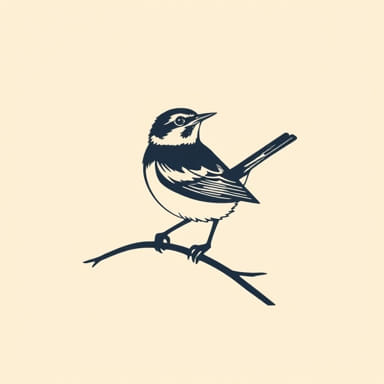
The Wren in the Furze” is a traditional folk song deeply rooted in Irish and British cultural history. It encapsulates themes of love, rural life, and sly humor, often told through playful and metaphorical language. The song has existed in multiple variations, passed down through oral tradition and sung in pubs, village gatherings, and folk festivals. Like many traditional ballads, its endurance is a testament to its evocative imagery, musicality, and emotional resonance. Exploring the meaning, origins, and interpretations of “The Wren in the Furze” helps us understand not just the lyrics, but the social and cultural context of the time it was created and shared.
Origins and Cultural Background
“The Wren in the Furze” likely dates back several centuries and is categorized as a part of the British Isles’ rich folk song heritage. While exact dates of origin are uncertain due to its oral transmission, the song is frequently found in collections of traditional Irish or English music. The wren, as a symbolic bird in Celtic and European folklore, represents cleverness, vitality, and sometimes deceit. Furze, or gorse, is a spiny shrub common in the countryside of Ireland and the UK, often associated with rough terrain and natural wilderness.
The wren’s presence in the furze invokes a vivid natural image, but it is also symbolic. In many folkloric traditions, birds, especially small ones like the wren, are stand-ins for individuals in storytelling, often representing lovers, tricksters, or vulnerable characters. This folk song uses the interaction between the wren and the furze to tell a deeper story often interpreted as a humorous or cheeky commentary on courtship and sexual innuendo.
Lyrics and Symbolism
The lyrics of “The Wren in the Furze” vary slightly depending on the region and the singer, but most versions feature a man asking a woman about what she sees or hears in the furze. The woman responds with a seemingly innocent or ambiguous answer, leading to witty exchanges full of double meanings.
Common Motifs in the Lyrics
- Bird imageryThe wren is often described as small but lively, echoing themes of vitality and desire.
- Natural elementsFurze (gorse) serves both as a literal setting and a symbolic barrier or concealment.
- InnuendoMany versions play heavily on subtle sexual humor, cloaked in rustic language and metaphor.
These motifs reflect the playful nature of rural courtship songs. The song manages to maintain a tone of innocence while inviting multiple interpretations, which is part of its enduring charm and adaptability over time.
Interpretations and Themes
The primary theme of “The Wren in the Furze” is courtship. In many interpretations, the dialogue between the man and the woman represents a flirtatious exchange. The wren could symbolize a hidden lover, an affair, or even a moment of spontaneous romance. The use of the furze bush a plant known for its sharp thorns suggests that love, while beautiful and natural, may also come with complications or dangers.
Some folklorists have argued that the song also reflects the cleverness of women in resisting or redirecting male advances. The woman’s responses often appear witty and strategic, subtly mocking or evading the man’s intent. In this way, the song becomes not just a bawdy tale, but a subtle commentary on gender dynamics within folk traditions.
Humor and Wordplay
One of the most entertaining aspects of “The Wren in the Furze” is its clever use of wordplay. The listener is drawn into a story that seems straightforward but unfolds with multiple layers of meaning. These layers allow the song to remain suitable for a variety of audiences from rowdy adults in a tavern to children singing under adult supervision.
The humor lies in the gap between what is said and what is implied. For example, the act of seeing a wren in the furze may seem innocent to an outsider, but to locals familiar with the culture and idioms, it carries implications of romantic rendezvous or scandal.
Variations and Regional Versions
Like many folk songs, “The Wren in the Furze” exists in several variations. Different regions adapt the lyrics to their dialects, local flora, or social norms. Some versions are more suggestive, while others emphasize the lyrical beauty of nature and love.
Musically, the tune also varies. Some versions are sung slowly with a melancholic melody, while others have an upbeat tempo, making them suitable for dancing or sing-alongs. The malleability of the song’s form is one reason for its continued presence in folk music circles.
Notable Performances
Several folk artists and groups have recorded versions of “The Wren in the Furze,” each adding their own interpretation. The song is a favorite at folk music gatherings and sometimes performed as part of themed seasonal events, particularly around Wren Day in Irish tradition. It continues to inspire musicians to explore traditional sounds while infusing personal creativity.
Connection to Wren Day Traditions
In Irish folklore, the wren holds special significance, particularly during the winter festival of St. Stephen’s Day (December 26), often called Wren Day. On this day, groups known as wren boys go door to door with a decorated wren (originally a real bird, but now symbolic) singing songs and playing instruments.
“The Wren in the Furze” fits naturally into these celebrations due to its subject matter. The tradition is thought to have ancient roots, possibly as a ritual to mark the end of the old year and the coming of the new. By referencing the wren, the song ties into a wider cultural reverence for this tiny, energetic bird.
Why the Song Still Matters
“The Wren in the Furze” is more than a quaint folk tune. It offers insight into rural life, social norms, and the playful wit embedded in oral traditions. In an age where storytelling is often dominated by digital media, such traditional songs remind us of the power of language, rhythm, and community.
The enduring popularity of this folk song shows how humor, double meaning, and cultural symbolism can create something timeless. It also reminds listeners of the importance of preserving oral traditions, not just as historical artifacts, but as living forms of expression that still resonate with audiences today.
Through its clever lyrics, regional adaptability, and cultural relevance, “The Wren in the Furze” continues to charm and amuse. Whether interpreted as a humorous flirtation, a metaphorical tale of love, or a window into rural tradition, the song maintains its place in the folk canon. As long as people sing together, tell stories, and celebrate nature’s small wonders, the wren will remain nestled in the furze waiting to be found again by each new generation of listeners.