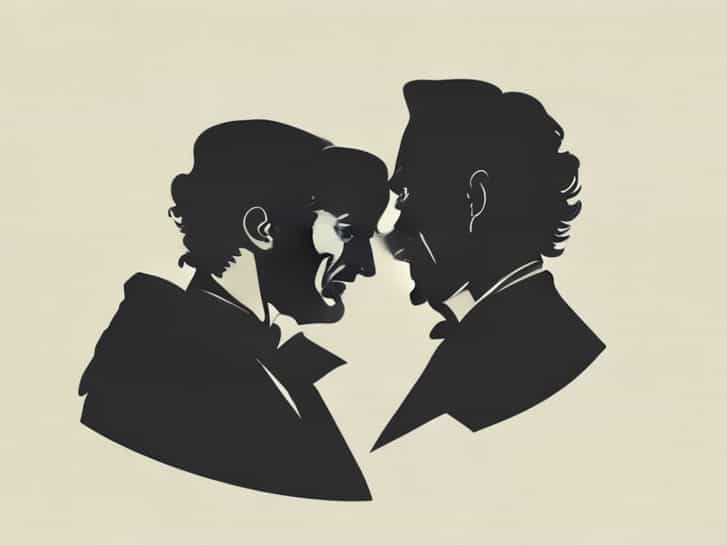
Dr. Jekyll and Mr. Hyde is a classic novella written by Robert Louis Stevenson, first published in 1886. The story explores the duality of human nature, the conflict between good and evil, and the consequences of unchecked ambition. It has become one of the most famous works in Gothic literature and psychological fiction, offering a compelling examination of morality, identity, and the dangers of scientific experimentation. The narrative is engaging, suspenseful, and thought-provoking, highlighting the struggle between social respectability and hidden desires within a single individual.
Introduction to the Story
The novella is set in Victorian London and follows the story of Dr. Henry Jekyll, a respected scientist and gentleman. Jekyll is fascinated by the duality of human nature and believes that every individual possesses both good and evil elements. He becomes obsessed with the idea of separating these two sides of his personality to free himself from moral constraints while allowing his darker impulses to act without consequence. This scientific ambition drives the creation of a potion that transforms him into Edward Hyde, a cruel and immoral alter ego who indulges in acts of violence and corruption.
Main Characters
- Dr. Henry JekyllA respected scientist who creates a potion to separate his good and evil sides, ultimately becoming Mr. Hyde.
- Mr. Edward HydeThe embodiment of Jekyll’s darker impulses, cruel, violent, and immoral.
- Mr. Gabriel John UttersonJekyll’s lawyer and friend, who investigates the mysterious connection between Jekyll and Hyde.
- Dr. Hastie LanyonA friend of Jekyll who becomes horrified by the results of Jekyll’s experiments.
- PooleJekyll’s loyal butler, who helps uncover the truth about Hyde.
Plot Summary
The story begins with Mr. Utterson, a lawyer, learning about a strange will left by Dr. Jekyll. The will states that in the event of Jekyll’s disappearance or death, all his property will be inherited by a mysterious man named Edward Hyde. This raises Utterson’s suspicion, as he finds Hyde to be repulsive and morally corrupt. Utterson begins to investigate Hyde’s background and his connection to Jekyll, but he encounters few answers. Strange incidents occur around London, including the violent trampling of a young girl by Hyde, which further alarms Utterson and the public.
The Transformation
Dr. Jekyll eventually confesses in a written statement that he has been using a potion to transform into Edward Hyde. As Hyde, Jekyll experiences freedom from social expectations and indulges in immoral behavior. Initially, Jekyll controls the transformations, alternating between his respectable life and the life of Hyde. However, over time, Hyde’s personality begins to dominate, and Jekyll loses control. His dark side grows stronger, committing increasingly violent acts, while Jekyll’s good side becomes weaker, leading to moral and psychological deterioration.
The Conflict and Suspense
The tension in the novella arises from the dual identity of Jekyll and Hyde, as well as the efforts of Utterson and other characters to uncover the truth. The story is filled with suspense, as the reader gradually learns about Hyde’s actions and the impact they have on Jekyll’s life. The mysterious disappearances, violent crimes, and the eventual realization that Jekyll and Hyde are the same person create a sense of intrigue and horror. Stevenson effectively uses the setting of foggy, dark London streets to enhance the Gothic atmosphere and emphasize the themes of secrecy and duality.
Climax and Resolution
The climax of the story occurs when Jekyll loses all control over the transformations, becoming Hyde permanently. Hyde’s violent behavior escalates, and he becomes a threat to society. Unable to continue living as Hyde and fearing capture or worse consequences, Jekyll takes his own life. Before dying, he leaves a detailed confession for Mr. Utterson, explaining the scientific experiment, the creation of Hyde, and the moral struggle within himself. This confession provides closure for the narrative while highlighting the consequences of unchecked ambition and the dangers of tampering with human nature.
Themes and Analysis
The novella explores several key themes that contribute to its lasting impact. One central theme is the duality of human nature, emphasizing that every individual possesses both good and evil elements. The struggle between Dr. Jekyll and Mr. Hyde illustrates the internal conflict between morality and temptation. Another theme is the dangers of scientific experimentation, as Jekyll’s pursuit of knowledge without ethical consideration leads to his downfall. Additionally, the story addresses Victorian societal pressures, illustrating the conflict between social respectability and hidden desires. Gothic elements, suspense, and psychological exploration make the novella a pioneering work in psychological horror.
Major Themes
- Duality of human nature The coexistence of good and evil within a single individual.
- Consequences of ambition The dangers of pursuing scientific or personal goals without moral consideration.
- Morality and temptation The struggle to maintain ethical behavior in the face of personal desires.
- Gothic horror and suspense Dark settings, mystery, and psychological tension enhance the narrative.
- Social critique Commentary on Victorian society and the pressures of maintaining respectability.
Impact and Legacy
Dr. Jekyll and Mr. Hyde has had a profound influence on literature, psychology, and popular culture. The novella popularized the exploration of dual identities and inner conflict, inspiring numerous adaptations in film, theater, and television. It also influenced discussions on human psychology, particularly the concept of repressed desires and the moral struggle within individuals. The terms Jekyll and Hyde have entered common language, often used to describe someone with a drastic dual personality or unpredictable behavior. Stevenson’s work remains a classic example of Gothic fiction and psychological storytelling, continuing to captivate readers more than a century after its publication.
In summary, Dr. Jekyll and Mr. Hyde is a compelling exploration of the complexities of human nature, morality, and the consequences of unchecked scientific ambition. Through the duality of Jekyll and Hyde, Stevenson illustrates the eternal struggle between good and evil, societal expectations, and personal desires. The story’s suspense, psychological depth, and moral lessons have secured its place as a timeless work in literature. Its influence extends beyond fiction, shaping cultural understanding of duality and inspiring countless adaptations that continue to resonate with audiences around the world.