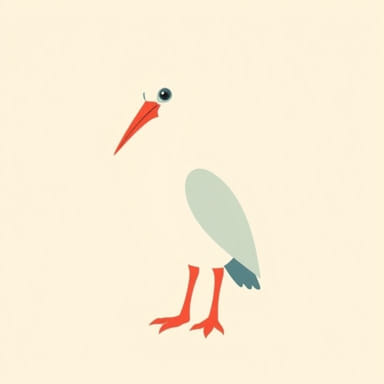
Among the many fascinating birds that inhabit tropical oceans, the red-footed booby stands out for its vibrant appearance, agile flight, and distinctive nesting behavior. These seabirds are known not just for their colorful feet, but also for their remarkable ability to soar over vast stretches of ocean in search of food. Found in warm oceanic regions around the world, the red-footed booby is a species of interest for ornithologists and nature lovers alike. Learning more about their characteristics, behaviors, and habitats helps us appreciate the important role they play in marine ecosystems.
General Description
What Is a Red-Footed Booby?
The red-footed booby (Sula sula) is the smallest of all booby species but also the most agile in flight. It is a member of the Sulidae family, which includes other boobies and gannets. Despite its relatively small size, this bird is an accomplished hunter, especially skilled at catching flying fish and squid over the open ocean.
- Scientific name: Sula sula
- Family: Sulidae
- Size: Around 70 centimeters in length
- Wingspan: Approximately 1 meter
- Weight: 1 kilogram on average
One of the bird’s most distinguishing features is its bright red feet, which contrast with its otherwise pale body. The red feet are not only visually striking but also play a crucial role in courtship displays.
Color Variations and Plumage
Unique Color Morphs
Red-footed boobies come in several different color morphs. While the white morph with a white body and black wingtips is the most commonly recognized, there are also brown, black-tailed white, and intermediate morphs. These morphs occur within the same population and are not related to age or sex.
- White morph: White body with black flight feathers
- Brown morph: Entirely brown or dark with slight variations
- Intermediate morph: A combination of brown and white markings
This variation in plumage adds an interesting element to observing these birds in the wild and makes each sighting unique.
Distribution and Habitat
Where Are Red-Footed Boobies Found?
Red-footed boobies inhabit tropical and subtropical waters around the globe. Their colonies are mostly located on remote islands where they can safely breed away from terrestrial predators. These seabirds are highly adapted to oceanic life and only come to land for nesting and roosting.
- Galápagos Islands
- Pacific Islands (e.g., Hawaii, Polynesia)
- Caribbean Islands
- Indian Ocean islands such as Aldabra
Because they rely on remote islands for nesting, habitat loss and invasive species pose significant threats to some red-footed booby colonies.
Diet and Hunting Behavior
Expert Marine Hunters
Red-footed boobies feed almost exclusively on fish and squid. Their preferred hunting grounds are often far from shore, where they fly for hours in search of prey. These birds are plunge divers, meaning they dive from heights into the water to catch fish.
- Common prey: flying fish, squid, sardines, anchovies
- Hunting method: high-speed plunge dives
- Feeding time: mostly during the day
Their streamlined bodies and long wings make them highly efficient hunters in the air, and their excellent vision helps them locate prey from high above the ocean.
Breeding and Nesting
Colony Nesting Behavior
Red-footed boobies nest in large colonies, often with thousands of pairs occupying a single island. Unlike other boobies, which nest on the ground, red-footed boobies usually build nests in shrubs or trees using twigs and leaves.
- Monogamous mating pairs
- Breeding season varies by region
- One egg per breeding cycle
- Both parents incubate and feed the chick
Parental care is extensive. Both the male and female take turns incubating the egg for around 45 days, and the chick remains in the nest for several months before fledging.
Courtship Displays
One of the most fascinating aspects of the red-footed booby is its courtship behavior. Males display their bright red feet prominently, lifting them repeatedly to catch the attention of females. Head bobbing, sky-pointing, and mutual preening also form part of the bonding rituals.
Conservation Status
Population and Threats
According to current assessments, the red-footed booby is listed as a species of Least Concern by conservation organizations. However, this does not mean they are free from threats. Their island habitats are vulnerable to human activity, climate change, and invasive predators such as rats and cats.
- Habitat disturbance from tourism and development
- Climate-related impacts such as rising sea levels
- Pollution and marine plastic ingestion
Conservation efforts focus on protecting nesting sites, controlling invasive species, and ensuring sustainable tourism practices on islands where these birds breed.
Interesting Facts About Red-Footed Boobies
- They are the only booby species known to regularly nest in trees.
- Red-footed boobies can fly hundreds of kilometers in a single trip to find food.
- They may live up to 20 years in the wild.
- Despite their name, they are not clumsy and are actually very agile in flight.
These birds also show a high level of site fidelity, often returning to the same nesting areas and even the same trees year after year.
Why Red-Footed Boobies Matter
Ecological Importance
As top marine predators, red-footed boobies play a role in controlling fish populations and maintaining a balanced ocean ecosystem. They also serve as indicators of marine health; changes in their behavior or population can signal problems like overfishing or pollution.
Additionally, their guano enriches the soil of nesting islands, promoting plant growth and supporting biodiversity in otherwise nutrient-poor environments.
The red-footed booby is more than just a colorful seabird; it is a vital part of the marine ecosystem and a remarkable example of adaptation to ocean life. With their distinctive red feet, diverse plumage, and impressive foraging skills, these birds continue to captivate birdwatchers and researchers around the world. Ensuring their habitats remain protected and undisturbed will help preserve their populations for generations to come. As climate and human pressures increase, it is more important than ever to understand and support conservation efforts for species like the red-footed booby.