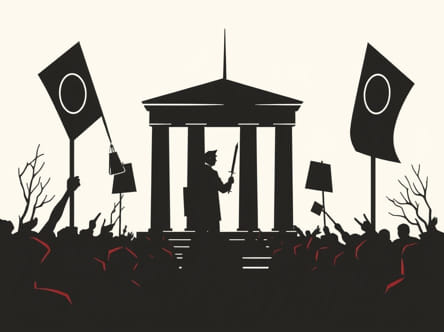
The story of Fray Botod is more than just a work of fiction; it is a powerful piece of political propaganda written during a time of social unrest and colonial exploitation in the Philippines. The man behind this influential work was Graciano López Jaena, a Filipino journalist, orator, and revolutionary, who courageously used his pen to expose the abuses of Spanish friars. Through Fray Botod, he painted a scathing portrait of the clergy, using satire and literary sharpness to reveal their greed, hypocrisy, and corruption. This topic will explore the life of the propagandist who wrote Fray Botod, his motivations, the historical context of the novel, and its enduring relevance in the study of colonial resistance literature.
Graciano López Jaena The Voice Behind the Satire
Graciano López Jaena was born on December 18, 1856, in Jaro, Iloilo, in the Visayas region of the Philippines. From a young age, he was exposed to the injustices and inequality under Spanish colonial rule, especially the dominance of friars in both civic and religious affairs. Originally enrolled in seminary school, López Jaena eventually left the priesthood, disillusioned by the behavior of the clergy. Instead, he pursued medicine in Manila but ultimately dedicated himself to journalism and the reform movement.
His commitment to social justice led him to write Fray Botod, which remains one of his most famous and biting works. The piece was not published in formal print during his lifetime due to censorship, but it spread through handwritten copies and oral recitations among fellow reformists. In a country silenced by fear, Fray Botod served as an awakening call, opening the eyes of Filipinos to the truth behind the façade of religious piety.
Understanding Fray Botod
The Meaning Behind the Name
Fray Botod is a fictional Spanish friar whose name literally translates to Fat Friar. The word botod is a colloquial term in the Visayas referring to someone with a bloated belly, which symbolizes gluttony, laziness, and excess. López Jaena cleverly used this name to represent the stereotypical Spanish friar in the Philippines one who indulged in material wealth and pleasures while preaching morality to the masses.
A Sharp Critique of Clerical Abuses
The novel is less of a narrative and more of a character sketch. It describes Fray Botod as self-indulgent, abusive, lustful, and hypocritical. He misuses his authority to manipulate and oppress the locals, taking advantage of young women and hoarding riches while justifying his actions through twisted religious logic. By portraying Fray Botod in this light, López Jaena highlighted the systemic corruption within the religious institutions of the time.
This kind of direct attack on the clergy was revolutionary. In an era when criticizing the church could result in punishment or exile, López Jaena’s fearless critique was both daring and inspirational to his fellow Filipinos who had endured similar abuses.
The Propaganda Movement
What It Stood For
López Jaena was a key member of the Propaganda Movement, a group of Filipino intellectuals and expatriates in the late 19th century who sought peaceful reforms under Spanish colonial rule. They advocated for freedom of speech, access to secular education, representation in the Spanish Cortes, and the end of friar abuses.
Their weapons were not swords or guns, but words. Through newspapers, essays, and literature, they spread awareness and called for change. López Jaena, together with other figures such as José Rizal and Marcelo H. del Pilar, helped shape Filipino national consciousness by challenging colonial narratives.
La Solidaridad and López Jaena’s Legacy
In Spain, López Jaena establishedLa Solidaridad, a newspaper that became the voice of the Filipino reform movement. Through this platform, he continued to write topics addressing issues such as education, human rights, and the misuse of power by colonial officials and friars. Although his health declined in later years and he died in poverty in 1896, his contributions were vital in paving the way for the Philippine Revolution.
Impact and Relevance of Fray Botod Today
A Literary Weapon of Resistance
Fray Botod is more than a story; it is a literary weapon. It exposed the deep-rooted problems of colonial rule and gave voice to the frustrations of the common people. Even though it was written over a century ago, its themes of hypocrisy, abuse of power, and the misuse of religion remain relevant today. It reminds us of the importance of speaking truth to power and holding authorities accountable.
Part of the Nationalist Canon
Today, Fray Botod is studied in schools and universities as part of Philippine literature and history. It is considered one of the foundational texts of Filipino nationalism. Through satire, López Jaena awakened a generation, and his work continues to inspire those who seek justice and reform. The novel also provides context to the later works of José Rizal, who similarly used fiction to critique colonialism.
Literary Style and Technique
What makes Fray Botod particularly effective is its use of satire and irony. Instead of a straightforward condemnation, López Jaena used humor and exaggeration to make his point. This approach made the story memorable and more difficult to censor. By ridiculing his target, he stripped the clergy of their aura of sanctity and presented them as ordinary men with human flaws, corrupted by power.
This technique also allowed his audience to engage with the material emotionally. They laughed, nodded in recognition, and, most importantly, began to question the status quo. In this way, the story became a vehicle for social awareness and change.
Remembering the Propagandist’s Courage
Graciano López Jaena, the propagandist who wrote Fray Botod, played a crucial role in the intellectual resistance against Spanish colonization in the Philippines. Through his sharp wit and fearless pen, he exposed the moral bankruptcy of those in power and inspired a movement for national awakening. His legacy lives on through his writings, and Fray Botod remains a cornerstone in the literature of resistance.
By revisiting this work and understanding the context in which it was written, readers gain a deeper appreciation for the courage and intelligence of the Filipino reformists. Fray Botod is not only a critique of the past it is a reminder to remain vigilant in the face of modern-day injustices, and to continue the pursuit of truth and accountability through the power of words.