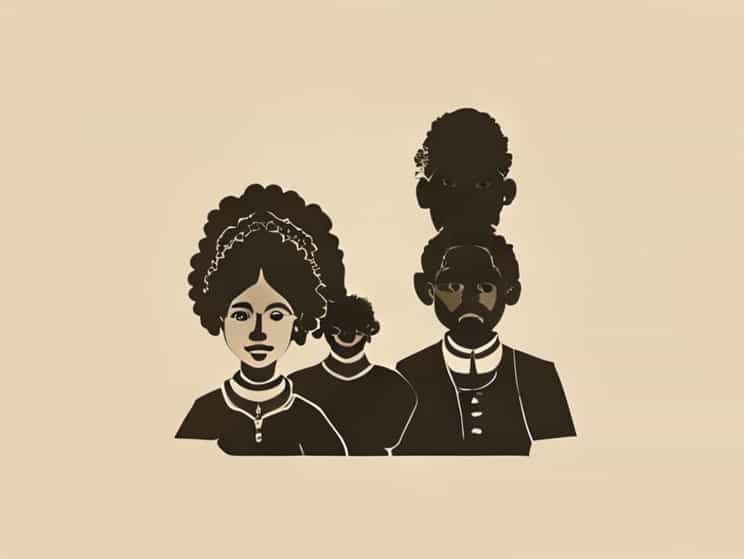
In the history of Charles County, Maryland, families identified as mulatto in colonial and early American records reflect a complex and often overlooked part of the region’s past. The term mulatto historically referred to people of mixed African and European ancestry, and their presence in Charles County-from the 18th century onward-reveals important insight into race, freedom, community, and identity in early Maryland. Records from census lists, court documents, and family surveys show that mulatto households existed among both free and enslaved populations, sometimes navigating complicated legal and social systems that defined status by race. The lives of these families were shaped by changing laws, economic pressures, and social expectations, yet their stories remain a meaningful part of the county’s heritage. Examining the mulatto families of Charles County sheds light not only on genealogical patterns but also on broader themes of race relations and resilience in American history.
Historical Context of Mulatto Families in Charles County
Charles County was established in 1658 and became an agricultural center in Maryland, relying on enslaved labor and later a mix of free and enslaved workers in its plantations and small farms. Within this context, people of mixed African and European ancestry appeared in census records as mulatto, a category used by government census takers to distinguish racial identity under the law and social custom. While the term is outdated and now considered inappropriate, it was an official designation in 18th and 19th century records, and such listings help historians trace family units, freedom status, and community networks. Legal definitions of race in Maryland shaped how families lived, worked, and passed on property or freedom, and young mixedancestry children often found themselves defined in legal and social structures that did not reflect family bonds.
Race and Legal Status
In colonial Maryland, laws sought to control the lives of people of African descent and, in some cases, those of mixed heritage. In the early 1700s, Maryland statutes imposed servitude on children born to interracial unions, even when one parent was white. Records indicate that a free white woman having children by a black man could result in servitude for her children until they reached adulthood. These legal designations shaped family structures, inheritance, and individual freedom.
Census Records and Family Listings
Census data from the late 18th century through the 19th century include household listings where heads of families were recorded as mulatto. For example, individuals such as Richard and Polly were heads of mulatto households in Charles County during census years around 1783 and 1800, indicating established family units with children and relatives living together. Such listings show that mixedancestry families were not isolated but part of the county’s socioeconomic fabric.
Examples of Mulatto Families in Early Charles County
Primary sources from genealogical surveys and census summaries list several families identified with mixed ancestry in Charles County. These records reveal family names along with dates and household information, helping trace lineages over time. Many of these family names recur across census years, showing multigenerational presence and the establishment of durable communities.
Family Units and Growth
- Butler FamilyAugustine Butler and Matilda Proctor appear in records as part of a mulatto household, and subsequent generations include children and marriages that expand the family’s presence into the late 19th century.
- Harley and Swann LinesWilliam Harley and Mary Nancy Ann Butler are representative of families where intermarriage connected notable names across generations, with children listed and documented through successive census records.
- Savoy and Newman FamiliesThese names appear as part of mulatto families in census records from the mid1800s, indicating their role in local communities and family networks that grew over time.
Surnames and Community Networks
Names such as Proctor, Swann, Butler, Newman, Thompson, and Savoy recur in historical listings of mulatto families in Charles County and surrounding areas. These names are often tied together by marriage, parentage, and shared residence in communities near Waldorf, Oxon Hill, La Plata, Bryantown, and Chaptico. Researchers working with parish birth, baptism, and census records find that many of these families intermarried and formed strong community bonds despite the legal and social constraints of the time.
Challenges and Social Realities
Being identified as mulatto in early Maryland meant living within a complex spectrum of race, law, and social identity. Unlike enslaved African Americans, some mulatto families were free, owning households and sometimes property. Yet they still faced systemic discrimination, limited rights, and shifting legal definitions that impacted marriage, freedom, and economic opportunity. Court cases from the 17th and 18th centuries show how individuals sometimes sought freedom or rights through petitions, illustrating the legal difficulties that mixed ancestry raised. These cases involved disputes over servitude, birthright status, and parental heritage, showing the deep entanglement of race and law in the colonial period.
Race Designation and Identity
Census and court designations of mulatto were often inconsistent, with race sometimes recorded differently across decades for the same individuals or families. How enumerators classified people could depend on appearance or local custom, rather than strict ancestry. Later in the 19th century, some families originally listed as mulatto were recorded as white, black, or colored, reflecting changing categories and selfidentification patterns in an evolving society. These shifts underscore the fluidity of racial identity in American history and the limits of official records in capturing lived experience.
Community Contributions and Legacy
Mulatto families in Charles County contributed significantly to the cultural and social fabric of the region. As free individuals and family heads, they participated in agricultural work, artisan trades, and community life. Some family members may have owned small plots of land or worked as laborers. Others formed extended kinship networks that helped sustain community cohesion. The resilience of these families amid legal restrictions and racial discrimination is a testament to their determination to maintain family continuity and community presence across generations. Their legacy lives on through descendants and through the historical records that preserve their names and relationships.
Modern Recognition and Genealogy
Today, descendants and genealogists study these mulatto families to better understand their ancestry, community ties, and historical impact. Researchers often consult census data, church records, wills, and land documents to piece together family histories, uncovering rich stories of endurance and identity. The historical recognition of these families enriches the broader narrative of Charles County’s past and highlights the diversity that existed even in early American communities.
Family Structures and Cultural Patterns
Mulatto families in Charles County often formed household units headed by free individuals listed as mixed race. These family structures ranged from nuclear families with children to extended households including multiple generations. As part of community life, they participated in religious observances, local economy, and social networks that crossed racial lines. While categorized by census takers under specific racial designations, the families themselves often forged identities rooted in resilience, mutual support, and shared heritage.
Marriage and Kinship Networks
Marriage patterns within the mulatto community sometimes reflected efforts to maintain social stability and familial cohesion. Intermarriage among families with similar backgrounds helped establish strong kinship networks. These networks provided social support and contributed to the survival of family lines through difficult legal and social transitions in the 19th century.
The mulatto families of Charles County, Maryland represent a vital thread in the rich tapestry of American history. Their presence from the 18th century onward reflects complex racial designations, legal challenges, and community resilience in a region shaped by plantation agriculture, slavery, and evolving social norms. By examining census records, court cases, and genealogical surveys, historians and descendants alike are uncovering stories of families who navigated the challenges of their time with strength and continuity. Their contributions to local culture, family legacy, and the broader history of Maryland continue to be recognized and celebrated, reminding us that the history of a place is incomplete without the stories of all its people.